

Introduction
Fans are an essential part of every home, office, and workspace. From keeping your room comfortable during hot days to improving air circulation, the right fans can make a huge difference in your daily comfort. However, choosing the wrong fans, installing it incorrectly, or ignoring regular cleaning can reduce performance and shorten its lifespan.
Whether you are looking for a shop desk fan nearby, planning a ceiling fan installation, or trying to understand how to clean a fan, knowing the basics will help you make a smarter choice.
This guide covers everything you need to know about different types of fans, installation, cleaning, maintenance, and useful tips to keep your fans working efficiently.
Choosing the Right Fan for Your Space
Before buying a fans, consider your room size, airflow requirements, design preferences, and energy usage.
Ceiling Fans
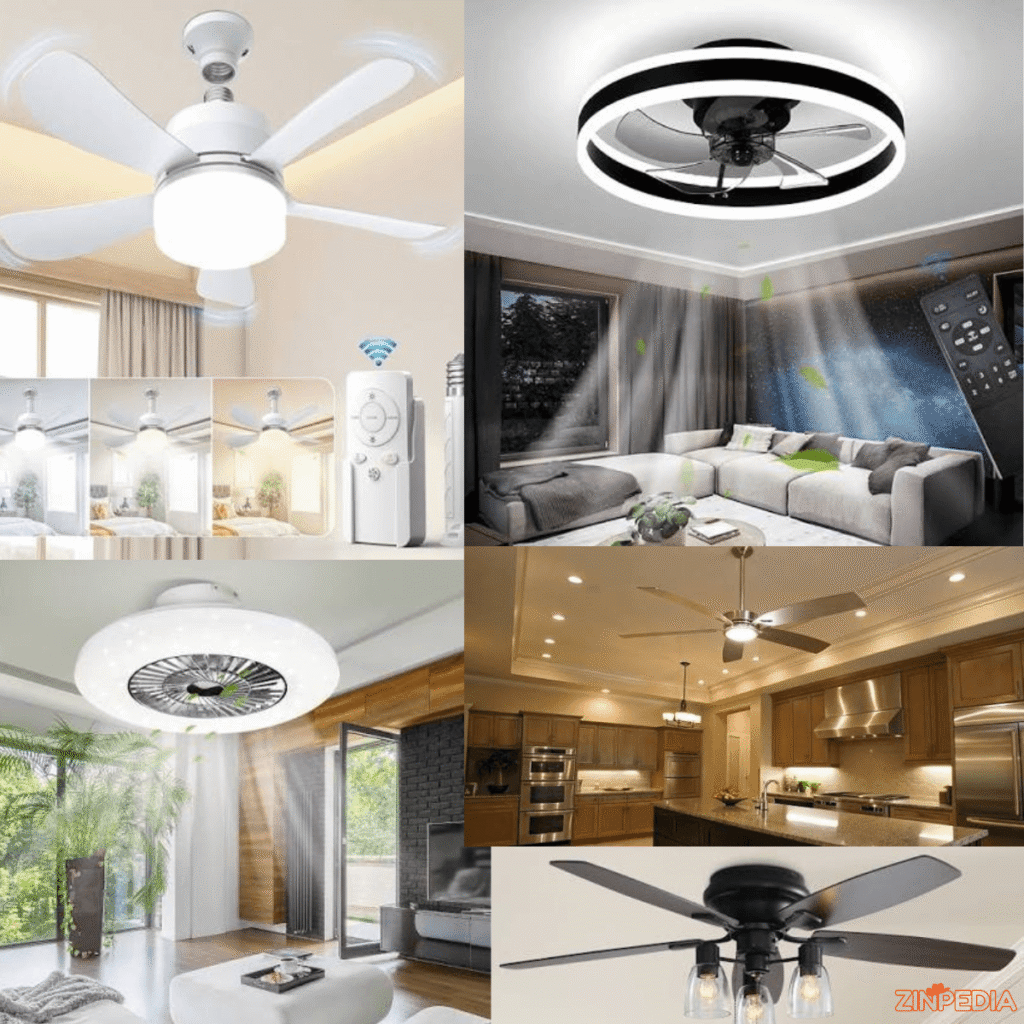
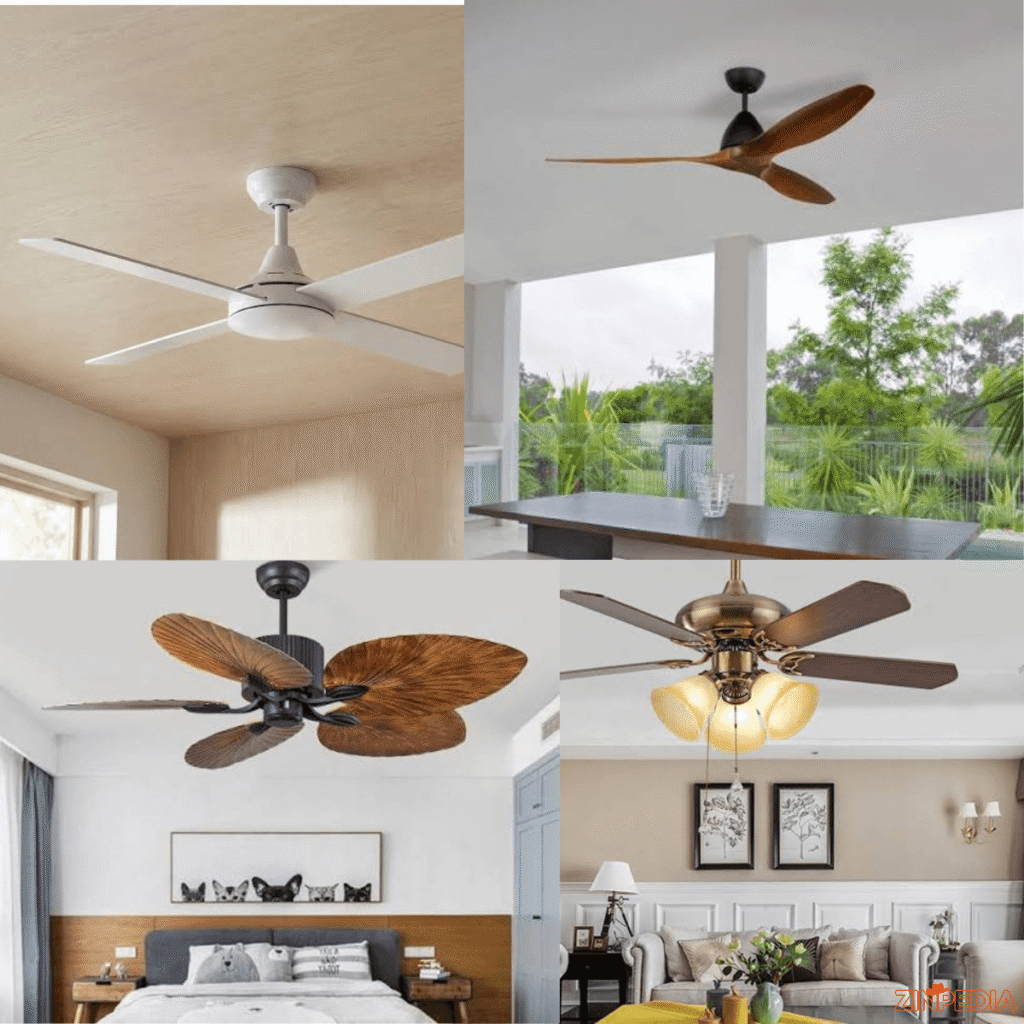
Ceiling fans are the most common cooling solution for bedrooms, living rooms, offices, and commercial spaces. They provide wide airflow coverage and are available in different sizes, designs, and technologies.
Modern ceiling fans include features like:
- Remote control operation
- Energy-efficient motors
- Multiple speed settings
- Smart home compatibility
- LED lighting options
A properly selected ceiling fans can improve comfort while reducing dependence on air conditioning.
Desk Fans
A desk fan is a practical choice for personal cooling. If you are searching for a desk fan nearby, look for features such as:
- Strong airflow
- Quiet operation
- Adjustable speed
- Portable design
- Low power consumption
Desk fans are ideal for study tables, offices, bedrooms, and small spaces where you need direct airflow.
How to Install a Ceiling Fan Safely
Installing a ceiling fans requires proper preparation because it involves electrical connections and ceiling support.
Step 1: Turn Off the Power
Always switch off the electricity from the circuit breaker before starting installation. Use a voltage tester to confirm that no current is flowing.
Step 2: Install the Mounting Bracket
The mounting bracket supports the weight of the fans. Make sure it is firmly attached to the ceiling structure to prevent vibration or falling.
Step 3: Connect the Wiring
Connect the wires according to the manufacturer’s instructions. Incorrect wiring can damage the fans or create electrical hazards.
Step 4: Attach Fan Blades
Install all blades evenly and securely tighten the screws. Balanced blades ensure smooth and quiet operation.
Step 5: Test the Fan
After installation, check all speed settings and make sure the fan operates without unusual noise or shaking.
Ceiling Fans Installation Near Me: Should You Hire a Professional?
Many homeowners search for ceiling fan installation near me when they want safe and reliable service.
Professional installation is recommended when:
- New wiring is required
- The ceiling structure needs inspection
- The fan is heavy
- Electrical work is complicated
A professional installer ensures proper mounting, safe wiring, and better long-term performance.
Ceiling Fan Direction: Summer and Winter Settings
Understanding ceiling fan direction helps improve comfort and energy efficiency.
Summer Setting
During summer, ceiling fans should rotate counterclockwise. This pushes air downward and creates a cooling effect.
Benefits:
- Better airflow
- More comfort during hot weather
- Reduced air conditioning usage
Winter Setting
During winter, fans should rotate clockwise at a low speed. This circulates warm air trapped near the ceiling back into the room.
Benefits:
- Better heat distribution
- Improved room comfort
- Energy savings
Ceiling Fan Lights: A Stylish and Practical Choice
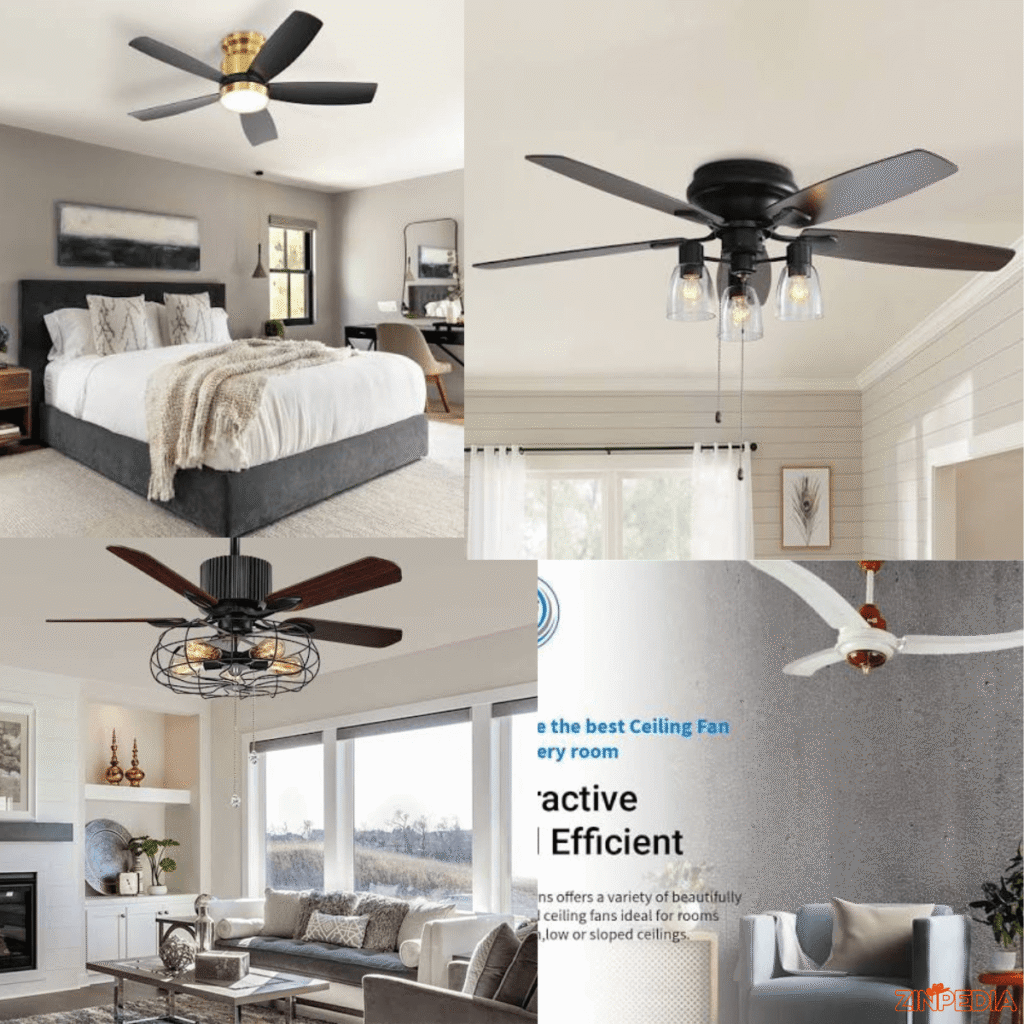
Many modern homes choose ceiling fans with lights because they combine two essential features into one product.
A ceiling fan light provides:
- Air circulation
- Room illumination
- Space-saving design
LED ceiling fans lights are popular because they offer:
- Lower energy consumption
- Longer lifespan
- Adjustable brightness options
They are an excellent choice for bedrooms, living rooms, and modern interiors.
How to Clean a Fan Properly
Regular cleaning improves airflow and prevents dust buildup.
Cleaning a Regular Fan
Follow these simple steps:
- Turn off and unplug the fans.
- Remove the protective cover if possible.
- Wipe blades using a microfiber cloth.
- Remove dust from the motor area.
- Reassemble everything carefully.
Avoid using excessive water near electrical components.
How to Clean Ceiling Fans Easily
Ceiling fans collect dust because they are installed in high areas. Regular cleaning keeps them efficient and improves indoor air quality.
Steps:
- Switch off the fans before cleaning.
- Cover furniture and floors.
- Use a microfiber cloth or a fans duster.
- Clean both sides of each blade.
- Wipe the motor housing carefully.
Cleaning your ceiling fan every few months can improve airflow and reduce noise.
How to Clean a Laptop Fan and Prevent Overheating
A laptop fans removes heat from internal components. When dust blocks airflow, your laptop may become slow or overheat.
Signs your laptop fans needs cleaning:
- Loud fans noise
- High temperature
- Slow performance
- Sudden shutdowns
Basic cleaning:
- Turn off your laptop.
- Disconnect the charger.
- Clean air vents using compressed air.
- Remove dust carefully.
For internal cleaning, professional servicing is recommended if you are not experienced with electronics.
Fans Maintenance Tips for Longer Life
Follow these simple maintenance habits:
- Clean fans regularly
- Check loose screws
- Avoid moisture exposure
- Keep air vents clear
- Use the correct fan speed
- Repair unusual noises early
Proper care helps fans perform better and last longer.
Frequently Asked Questions
How often should I clean my ceiling fan?
You should clean your ceiling fans every 2–3 months or more frequently if your home collects dust quickly.
Which direction should a ceiling fan spin in summer?
A ceiling fan should rotate counterclockwise during summer to push cool air downward.
Can I install a ceiling fans myself?
Yes, but electrical installation requires safety knowledge. Professional help is recommended if you are unsure.
Are ceiling fans with lights energy efficient?
Yes, especially models with LED lights and energy-efficient motors.
How do I clean a laptop fans?
You can clean external vents using compressed air, but internal cleaning may require professional assistance.
Conclusion shop desk fan nearby
Choosing the right fans is about more than just buying a cooling device. Proper selection, safe installation, correct ceiling fan direction, regular cleaning, and maintenance all help improve performance and lifespan.
Whether you need a desk fan nearby, want to install a new ceiling fan, or need advice on how to clean ceiling fans, following the right steps will keep your home comfortable and your fans running efficiently for years.
Explore More Helpful Articles– Visit Now