

A wet basement can quickly become one of the most expensive problems in a home. Water can damage flooring, furniture, electrical equipment, insulation, stored belongings, and even the structure of the property. It can also create the damp conditions that allow mold and unpleasant odors to develop.
A reliable sump pump helps prevent this damage by collecting groundwater and moving it safely away from the house.
However, installing a pump is only part of the solution. The system must be correctly sized, properly installed, regularly maintained, and protected against power failure. A pump that is clogged, too small, badly positioned, or without battery backup may fail when it is needed most.
The guide describes how sump pumps work and how they are installed, examines common sump pump repairs, and explains why a sump pump battery backup can be an important component of your total basement waterproofing system.
What Is a Sump Pump and How Does It Work?
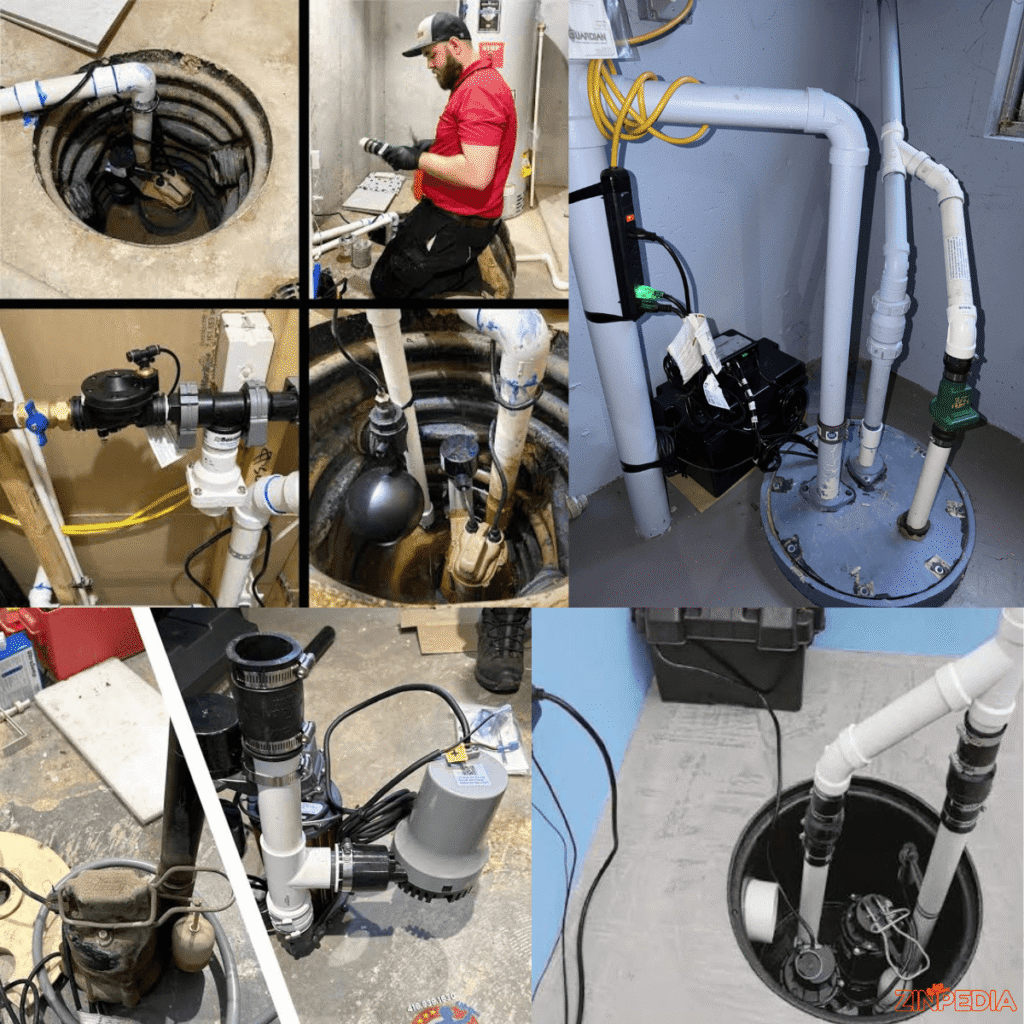
A sump pump is a device that removes water that has accumulated in a water-collecting sump pit, a low area of the basement or crawl space. It is located within a specially built basin, referred to as a sump pit, sump basin, or sump crock.
The groundwater and drainage water are collected by directing them toward the pit. As the water rises, a float switch or electronic level switch begins to pump out the water. The pump then pushes the water through a pipe called a discharge pipe — safely removing it at a designated spot far from your foundation.
The basic process works like this:
- Water enters the drainage system around or beneath the foundation.
- The water flows into the sump pit.
- The water level rises and activates the pump.
- The pump sends water into the discharge pipe.
- A check valve helps stop discharged water from flowing back into the pit.
- The water is released away from the home.
A sump pump won’t prevent water from making its way into the ground surrounding a property. Rather, it prevents water from getting to the point where it pools in the basement or undermines the foundation.
Signs that your home may need a sump pump
A sump pump may be useful when a property has one or more of the following conditions:
- Water enters the basement after heavy rain.
- The basement has flooded in the past.
- The house is located in a low-lying area.
- The surrounding soil holds water.
- Snowmelt causes seasonal moisture problems.
- The basement smells damp or musty.
- Water collects around the foundation.
- The local water table is high.
- The property already has foundation drains but no effective pumping system.
Even a basement that has never fully flooded can benefit from a sump pump if moisture regularly appears near the floor or walls.
Submersible vs pedestal sump pumps
The two most common types are submersible and pedestal pumps.
Submersible sump pump
The submersible is another floating pump that lies in the sump pit, working submerged.
Its main advantages include:
- Quieter operation
- Better cooling from the surrounding water
- More available basement space
- A covered pit that helps reduce noise and debris
- Good performance in homes with frequent water problems
Submersible pumps are commonly chosen for finished basements and homes where the system runs often.
Pedestal sump pump
A pedestal pump has a motor positioned above the pit, while the intake reaches down into the water.
Its advantages may include:
- Easier access for inspection and repair
- Lower initial cost in some cases
- A design suitable for narrow sump pits
- Less risk of the motor being submerged
However, pedestal pumps are normally louder and leave more of the system exposed.
For many modern homes, a submersible model is the preferred option, but the correct choice depends on the pit size, water volume, budget, and basement layout.
Sump Pump Installation: What a Proper System Includes
Sump pump installation involves more than placing a pump inside a hole. A complete system needs an effective pit, a reliable electrical connection, a properly routed discharge line, and enough pumping capacity for the property.
Poor installation can lead to short cycling, frozen pipes, water flowing back toward the foundation, excessive noise, or complete system failure.
Step 1: Choosing the correct location
Most crawl spaces or basements can benefit from a sump pit placed in the lowest spot. The well should be located where natural groundwater and foundation drainage will flow towards it.
The location should also allow:
- Safe access for maintenance
- A practical discharge route
- Enough room for the basin and pump
- Access to a suitable electrical outlet
- Protection from stored items and accidental damage
The pit should not be placed where it interferes with structural footings, utilities, or important building components.
Step 2: Installing the sump basin
The floor is opened, and soil is removed to create space for the basin. The basin should be large enough for the selected pump and float switch to operate without obstruction.
A pit that is too small may cause the pump to switch on and off too frequently. This is known as short cycling, and it can reduce the life of the motor and switch.
The basin usually includes openings that allow water to enter. Gravel may be placed around the outside to improve drainage and stability. The surrounding floor is then sealed or repaired around the basin.
A fitted cover is strongly recommended because it can:
- Reduce noise
- Prevent objects from falling into the pit
- Limit moisture entering the basement air
- Improve safety around children and pets
- Help control soil gases when properly sealed
Step 3: Selecting the correct pump size
A larger pump is not automatically better.
The correct pump depends on:
- The expected amount of water
- The vertical height the water must be lifted
- The total length of the discharge pipe
- The number of pipe bends
- The discharge pipe diameter
- The frequency of pump operation
Pump performance is often measured in gallons per hour or gallons per minute. However, the advertised flow rate may decrease as the pumping height increases.
For example, a pump that moves a high volume of water at floor level may move much less when it must lift water several feet and push it through a long pipe.
A qualified installer can calculate the required capacity based on the system’s total pumping height and drainage conditions.
Step 4: Connecting the discharge pipe
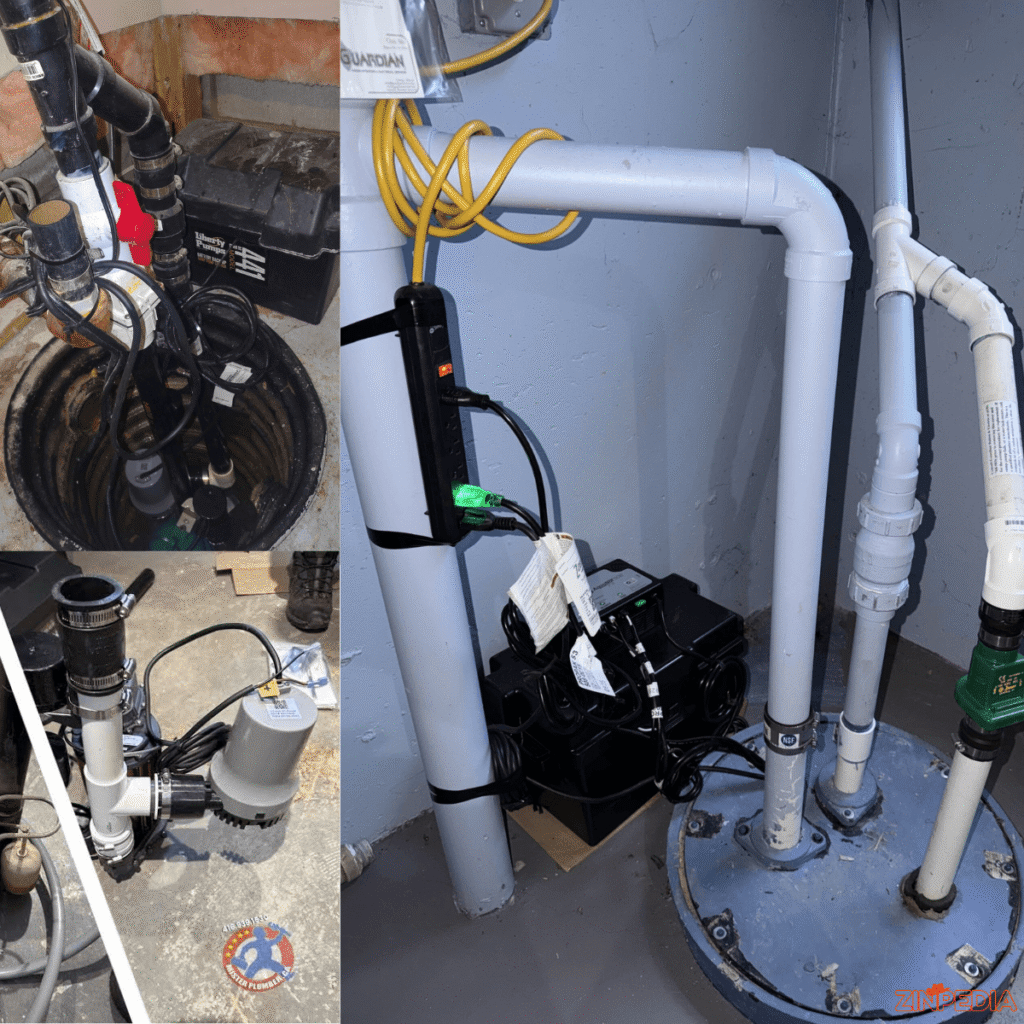
The discharge pipe carries water from the pump to the outside of the property.
The pipe should be:
- Correctly sized for the pump
- Firmly connected
- Routed with as few unnecessary bends as possible
- Protected against leaks
- Directed away from the foundation
- Installed to reduce the risk of freezing
- Compliant with local drainage requirements
The discharge point should release water far enough from the home that it does not flow back toward the basement.
Releasing water directly beside the foundation can create a cycle in which the same water repeatedly returns to the sump pit.
Step 5: Installing a check valve
A check valve allows water to move in one direction through the discharge pipe.
After the pump switches off, water remaining in the vertical pipe may fall back toward the pit. Without a check valve, the basin can refill quickly and cause the pump to restart unnecessarily.
A correctly installed check valve:
- Reduces water flowing back into the pit
- Limits unnecessary pump cycles
- Helps improve pumping efficiency
- May reduce wear on the motor and switch
The valve must be installed in the correct direction and should remain accessible for future inspection.
Step 6: Providing safe electrical power
Most primary sump pumps use standard household electricity.
The power source should be suitable for a damp basement environment and should follow local electrical rules. Extension cords are generally not a good permanent solution because they can be damaged, disconnected, or overloaded.
The pump should have a dependable electrical connection that is protected from water exposure.
Because electrical requirements vary by location, homeowners should use a qualified electrician or installer when a new outlet, circuit, or wiring change is needed.
How Much Does Sump Pump Installation Cost?
The total cost of sump pump installation can vary widely.
A simple pump replacement in an existing pit is usually less expensive than creating a completely new drainage and pumping system.
Important cost factors include:
- Pump type and capacity
- Existing sump pit condition
- Need for a new basin
- Basement floor material
- Drainage system requirements
- Discharge pipe length
- Electrical work
- Battery backup installation
- Labor costs in the local area
- Permit or inspection requirements
- Accessibility of the work area
Basic replacement
A basic replacement usually involves removing an old pump and installing a new one in an existing sump pit.
The work may include:
- Disconnecting the old pump
- Inspecting the basin
- Replacing worn fittings
- Installing the new pump
- Checking the float switch
- Testing the check valve
- Running a full water test
This is generally the fastest and least complex type of sump pump installation.
New installation
A new system may require:
- Cutting the basement floor
- Excavating the pit
- Installing a basin
- Connecting foundation drainage
- Adding electrical power
- Running a discharge pipe
- Repairing the floor
- Installing a sealed cover
- Adding a battery backup
This type of project costs more because it involves construction, plumbing, electrical work, and drainage planning.
Avoid choosing by price alone.
A low-cost installation may become expensive if the pump is undersized, the pipe freezes, the discharge water returns to the foundation, or the electrical connection is unreliable.
A professional estimate should clearly explain:
- The pump model and capacity
- The basin size
- The discharge route
- The check valve
- Electrical requirements
- Backup protection
- Labor warranty
- Manufacturer warranty
- Maintenance recommendations
The most valuable installation is not always the cheapest. It is the one that works reliably during heavy rain and power interruptions.
Common Sump Pump Problems and Repair Solutions
Sump pumps are mechanical devices, so they eventually wear out or develop faults. Early repair can prevent a small problem from becoming a flooded basement.
The sump pump does not turn on.
A pump may fail to start because of:
- A power outage
- A disconnected plug
- A tripped breaker
- A failed motor
- A damaged power cord
- A stuck float switch
- A blocked intake
- A defective control switch
Start by checking whether the pump has power. Then inspect the float to make sure it can move freely.
Do not handle electrical equipment while standing in water. When water is present near electrical components, switch off power safely and contact a qualified professional.
The pump runs but does not remove water.
A pump can sound normal while moving little or no water.
Possible causes include:
- A blocked intake
- A clogged discharge pipe
- A frozen outdoor line
- A damaged impeller
- A leaking pipe connection
- An incorrectly installed check valve
- Air trapped in the system
- A pump that is too weak for the required lift
The discharge pipe should be inspected from the pump to the outdoor outlet. A blocked or frozen pipe can place extra strain on the motor and may cause water to overflow from the pit.
The pump runs continuously.
A continuously running sump pump should not be ignored.
Common causes include:
- Heavy groundwater entering the pit
- A float switch stuck in the raised position
- A pump that is too small
- A check valve that has failed
- Water returning from the discharge point
- A leaking pipe
- An unusually high water table
- Incorrect pump positioning
Continuous operation can overheat the motor and shorten its service life. It may also indicate that the home’s drainage system cannot keep up with the water entering the property.
The pump starts and stops too frequently.
Frequent switching is called short cycling.
It may result from:
- A sump pit that is too small
- Incorrect float adjustment
- Water flowing back through the discharge pipe
- A missing or damaged check valve
- A pump that is too powerful for the pit
- A high volume of incoming water
Short cycling increases wear on the motor and switch. Correcting the float position or check valve may solve the problem, but an undersized basin may require more extensive work.
The pump makes loud or unusual noises.
Some operating noise is normal, but grinding, rattling, banging, or strong vibration can indicate a problem.
Possible causes include:
- Debris inside the pump
- A damaged impeller
- Loose pipe supports
- A worn motor
- A noisy check valve
- Pipes striking nearby walls
- Incorrect installation
A loud banging sound after the pump stops often comes from the check valve. A quieter valve or better pipe support may reduce the noise.
The basement smells unpleasant.
Odors can come from stagnant water, debris, mold, or an unsealed pit.
Useful steps include:
- Cleaning the sump basin
- Removing visible debris
- Checking for mold or sewage contamination
- Installing a fitted cover
- Testing nearby floor drains
- Confirming that the system is not connected incorrectly
A strong sewage smell may indicate a plumbing or drainage problem rather than a normal sump pump issue. It should be investigated promptly.
Repair or replace?
Repair may be practical when the problem involves:
- A blocked pipe
- A stuck float
- A damaged check valve
- A loose connection
- A minor switch failure
- Debris inside the basin
Replacement may be the better choice when:
- The motor has failed
- The pump is heavily corroded
- Repairs are becoming frequent
- The pump cannot handle the water volume
- The unit is old and unreliable
- The basement contains high-value finished space
- The pump has already failed during severe weather
A sump pump should be replaced before it becomes completely unreliable, not after the basement has flooded.
Why a Sump Pump Battery Backup Is Important
A primary sump pump usually depends on household electricity. Unfortunately, severe storms can cause both basement water and power outages at the same time.
A sump pump battery backup is designed to keep removing water when the main pump cannot operate.
The backup may activate when:
- The electricity fails
- The primary pump stops working
- The main pump cannot keep up
- The water rises above the normal operating level
- The main float switch fails
How a battery backup system works
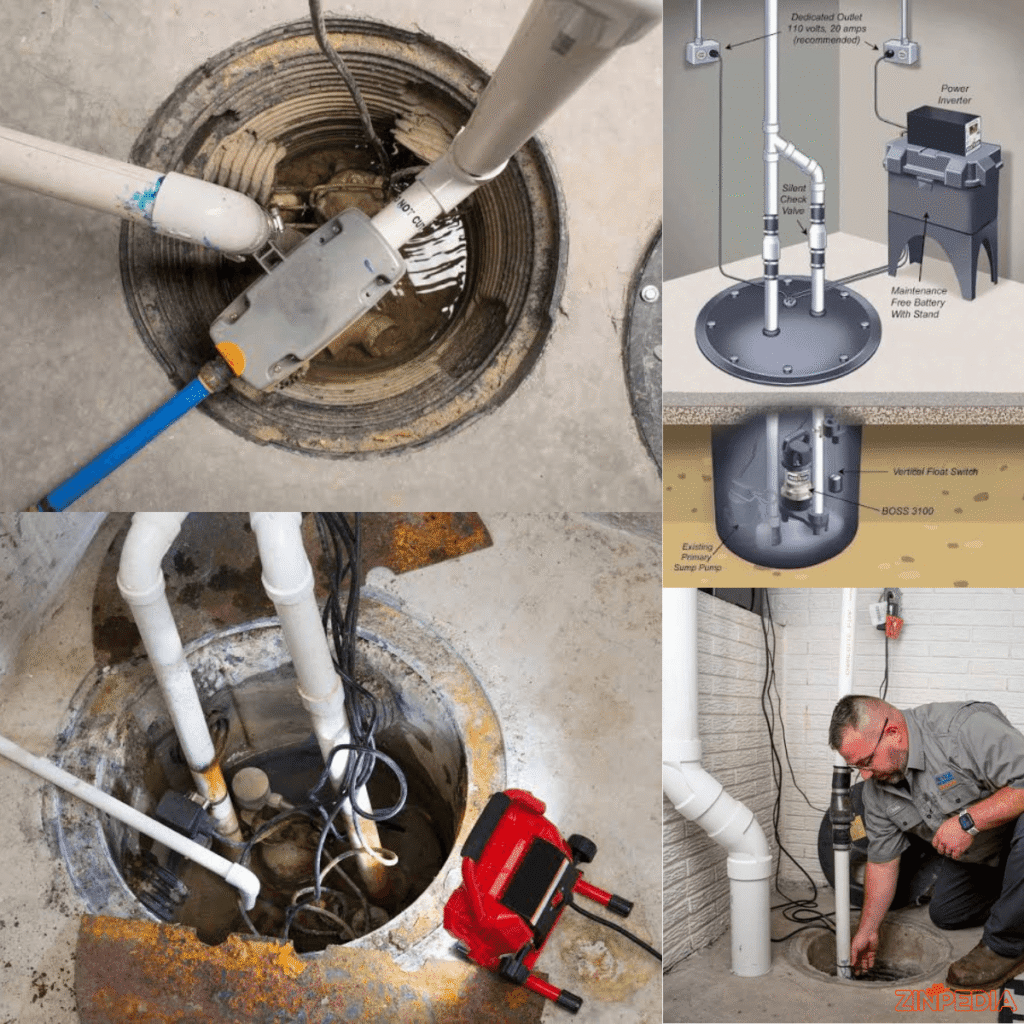
A typical backup system includes:
- A secondary pump
- A deep-cycle battery
- A charging unit
- A separate float switch
- An alarm or status panel
- Backup discharge piping or a shared discharge connection
The charger keeps the battery ready while normal power is available. During an outage, the backup pump uses stored battery power to continue moving water.
Benefits of a battery backup
A reliable battery backup offers several advantages:
- Protection during power outages
- Support if the main pump fails
- Additional capacity during heavy rainfall
- Warning alarms when the backup activates
- Greater protection for finished basements
- More peace of mind while the homeowner is away
A backup is especially valuable in homes with a history of flooding, frequent outages, high groundwater, or expensive basement finishes.
Battery backup limitations
A backup system is not unlimited.
Its operating time depends on:
- Battery size
- Battery condition
- Water volume
- Pump efficiency
- Frequency of pump cycles
- Discharge height
- Charger performance
A battery that receives little maintenance may lose capacity over time. Homeowners should test the system regularly and replace the battery according to the manufacturer’s instructions.
Battery backup vs generator
A generator and a battery backup serve different purposes.
A generator can power the primary pump and other household equipment for a longer period, but it may require fuel, setup, maintenance, or manual operation.
A battery backup:
- Activates automatically
- Does not require fuel
- Works immediately when power fails
- Supports the system when the main pump itself breaks
For stronger protection, some homeowners use both a battery backup and a standby generator.
Water-powered backup pumps
Some homes may use a water-powered backup pump. This type uses pressure from the municipal water supply to remove sump water.
Potential advantages include:
- No battery required
- Operation during electrical outages
- Long backup duration while water pressure remains available
However, a water-powered system may not be suitable for every property. It normally requires a dependable municipal water supply, correct plumbing, and approval under local regulations. It also uses household water while operating.
Sump Pump Maintenance Checklist
Regular maintenance is one of the easiest ways to reduce the risk of failure.
A sump pump should be inspected several times each year and before seasons with heavy rain or snowmelt.
Test the pump
Pour clean water into the sump pit until the float rises.
Confirm that:
- The pump turns on automatically
- Water leaves the basin quickly
- The pump switches off correctly
- No pipe connections leak
- Water does not flow back into the pit
This simple test can reveal problems before an emergency occurs.
Clean the basin
Remove dirt, gravel, and debris that could block the pump intake or float.
Before cleaning:
- Disconnect power safely.
- Remove the pump if required.
- Clean the basin and intake.
- Inspect the pump for damage.
- Reinstall the pump securely.
- Restore power and perform a water test.
Follow the manufacturer’s instructions for the specific model.
Inspect the float switch.
The float must move without touching the basin wall, discharge pipe, power cord, or backup pump.
A blocked float may prevent the pump from starting or cause it to run continuously.
Check the discharge line.
Inspect the outdoor discharge point for:
- Soil blockage
- Leaves
- Ice
- Animal nests
- Crushed pipe
- Standing water
- Poor drainage back toward the house
The outlet should remain clear throughout the year.
Test the backup system.
Disconnect the primary pump from power and add water to the pit. The backup pump should activate when the water reaches its backup level.
Check:
- Battery status
- Charger lights
- Alarm operation
- Terminal corrosion
- Battery age
- Backup float movement
Never assume the backup is working simply because the charger light is on.
Listen for changes
A change in sound can provide an early warning.
Contact a repair professional when the pump begins to:
- Grind
- Shake
- Rattle
- Hum without pumping
- Start more often than usual
- Run for much longer than normal
Keep records
Record:
- Installation date
- Pump model
- Battery replacement date
- Repairs
- Test results
- Warranty information
- Installer contact details
These records make future maintenance and replacement easier.
Frequently Asked Questions About Sump Pumps
How long does a sump pump last?
The service life depends on pump quality, water volume, installation, maintenance, and frequency of use. A pump that runs heavily may wear out sooner than one that operates only occasionally.
Regular testing is more useful than relying only on age. Replace a pump when it becomes unreliable, noisy, damaged, or unable to manage the incoming water.
Can I install a sump pump myself?
Replacing a pump in an existing pit may be possible for a homeowner with suitable plumbing and electrical knowledge.
A completely new installation is more complex because it may involve concrete cutting, excavation, drainage design, electrical work, and local building rules.
Professional installation is usually safer when:
- A new sump pit is required
- The basement is finished
- Electrical changes are needed
- The foundation drainage must be modified
- The discharge route is difficult
- The property has serious flooding problems
Does every basement need a sump pump?
No. Some homes have dry soil conditions, effective grading, good exterior drainage, and no history of groundwater problems.
However, a sump pump may still be a valuable precaution in properties with a high water table, past flooding, poor drainage, or expensive finished basement space.
How often should a sump pump be tested?
Testing every few months is a practical approach. It should also be tested before heavy-rain seasons, before extended travel, and after any repair or power outage.
Homes with frequent groundwater problems may require more regular inspection.
Why does my sump pump run when it is not raining?
Groundwater can remain high after a storm has ended. Water may also enter from snowmelt, irrigation, underground springs, leaking pipes, or poor exterior drainage.
Continuous operation in dry weather should be investigated because it may indicate a plumbing leak or drainage problem.
Should a sump pit have water in it?
A small amount of water in the bottom of the pit can be normal. The exact level depends on the pump and float setting.
The important point is that the water should not rise above the activation level without starting the pump.
Do I need two sump pumps?
A second pump can provide additional protection.
Many homes use:
- One primary electric pump
- One battery-powered backup pump
Homes with severe water problems may use two high-capacity pumps or a duplex system that alternates operation and provides redundancy.
Can a sump pump prevent all basement flooding?
No system can guarantee complete protection from every possible event.
A sump pump may not prevent flooding caused by:
- Sewer backup
- Burst plumbing
- Surface water entering through doors or windows
- A blocked drainage system
- Extreme water volume beyond the pump’s capacity
- Structural foundation failure
The best protection often combines a sump pump with correct grading, clean gutters, functioning downspouts, foundation drainage, waterproofing, a backup pump, and regular maintenance.
Conclusion
A sump pump is one of the most important protective systems in a basement or crawl space. When properly selected and installed, it can remove groundwater before it damages the home.
The most reliable system includes more than a pump. It needs a correctly sized basin, an effective discharge pipe, a working check valve, safe electrical power, regular testing, and dependable backup protection.
Sump pump repair should be completed as soon as warning signs appear. Continuous running, unusual noises, blocked pipes, failed switches, and poor water removal can all indicate that the system is at risk.
A sump pump battery backup adds another layer of security by operating when the electricity fails or the primary pump cannot keep up. For homes with finished basements, high groundwater, or a history of flooding, this protection can prevent major repair costs.
Do not wait for a storm to discover that the pump is not working. Test the primary and backup systems regularly, keep the discharge outlet clear, and replace unreliable equipment before the next period of heavy rain.
Explore More Helpful Articles– Visit Now