
Language connects people, cultures, and ideas. As Spanish is one of the most widely spoken languages in the world, many people search for English to Spanish translation to communicate in travel, business, education, relationships, and everyday conversations.
However, good translation is not only about changing words from one language to another. A quality translation requires understanding meaning, context, culture, and the way native speakers naturally communicate.
For example, translating the English sentence:
“Break a leg!”
word-for-word into Spanish would create confusion because the phrase is an expression meaning “good luck.” A translator needs to understand the intention behind the words, not just the dictionary meaning.
This guide explains how English to Spanish translation works, common challenges, useful examples, and practical tips for achieving more accurate and natural translations.
What Is English to Spanish Translation?
English to Spanish translation is the process of converting written or spoken English into Spanish while keeping the original meaning, tone, and purpose.
It can include many types of translation:
- Single words
- Sentences
- Documents
- Websites
- Business communication
- Travel conversations
- Educational materials
- Professional content
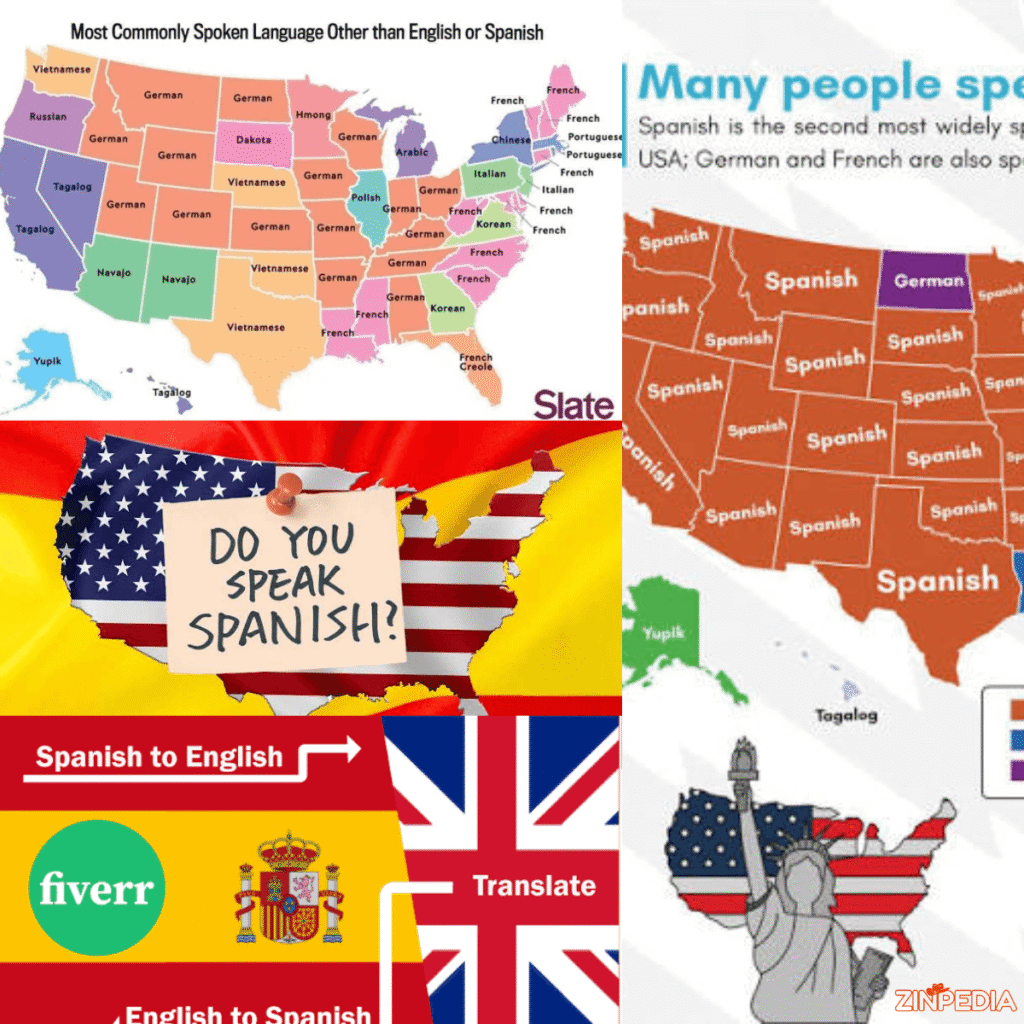
Spanish is spoken in many countries, including Spain, Mexico, Colombia, Argentina, and many other regions. Because of this, translations may change depending on location and audience.
For example:
In Spain:
- “Coche” means car
In many Latin American countries:
- “Carro” or “auto” may be more common
A good translation considers who will read or hear the message.
Why English to Spanish Translation Is Important
The demand for English to Spanish translation continues to grow because English and Spanish are both major global languages.
Travel and Tourism
Travelers often need translations for:
- Directions
- Menus
- Hotel communication
- Transportation
- Local conversations
Knowing basic Spanish phrases can make travel easier and more enjoyable.
Business Communication
Companies often translate content to reach Spanish-speaking customers.
Examples include:
- Marketing materials
- Product descriptions
- Customer support messages
- Websites
- Business documents
Accurate translation helps businesses build trust with international audiences.
Education and Learning
Students use translation tools to:
- Learn vocabulary
- Understand texts
- Practice language skills
- Improve communication
Translation can be a helpful learning method when combined with proper language practice.
Common English to Spanish Translation Examples
Understanding common phrases is a great way to improve communication.
Everyday Greetings
English:
“Good morning”
Spanish:
“Buenos días”
English:
“How are you?”
Spanish:
“¿Cómo estás?”
English:
“Nice to meet you”
Spanish:
“Mucho gusto”
Common Daily Expressions
English:
“Thank you”
Spanish:
“Gracias”
English:
“Please”
Spanish:
“Por favor”
English:
“I don’t understand”
Spanish:
“No entiendo”
English:
“Can you help me?”
Spanish:
“¿Puedes ayudarme?
Travel Phrases
English:
“Where is the bathroom?”
Spanish:
“¿Dónde está el baño?”
English:
“How much does it cost?”
Spanish:
“¿Cuánto cuesta?”
English:
“I need a taxi”
Spanish:
“Necesito un taxi”
Challenges in English to Spanish Translation
Although translation tools have improved, language differences can create challenges.
Word Order Differences
English and Spanish do not always organize sentences the same way.
Example:
English:
“I like music.”
Spanish:
“Me gusta la música.”
A direct word-for-word translation would not sound natural.
Different Meanings of Words
Some words have multiple meanings depending on context.
Example:
The English word “bank” can mean:
- A financial institution
- The side of a river
Spanish translation depends on the intended meaning:
- Banco (financial institution)
- Orilla (river bank)
Understanding context is essential.
Cultural Differences
Some expressions cannot be translated literally.
For example:
English:
“It’s raining cats and dogs.”
A Spanish speaker would not translate this literally. Instead, they would use an expression with a similar meaning.
Translation is about transferring ideas, not just words.
How to Get Better English to Spanish Translations
Whether you are using translation tools or learning Spanish yourself, these tips can improve accuracy.
Understand the Full Sentence
Never translate isolated words without considering context.
A single word can have different meanings depending on how it is used.
Learn Common Spanish Expressions
Native speakers often use phrases that do not match direct translations.
Learning expressions helps your Spanish sound more natural.
Consider Regional Differences
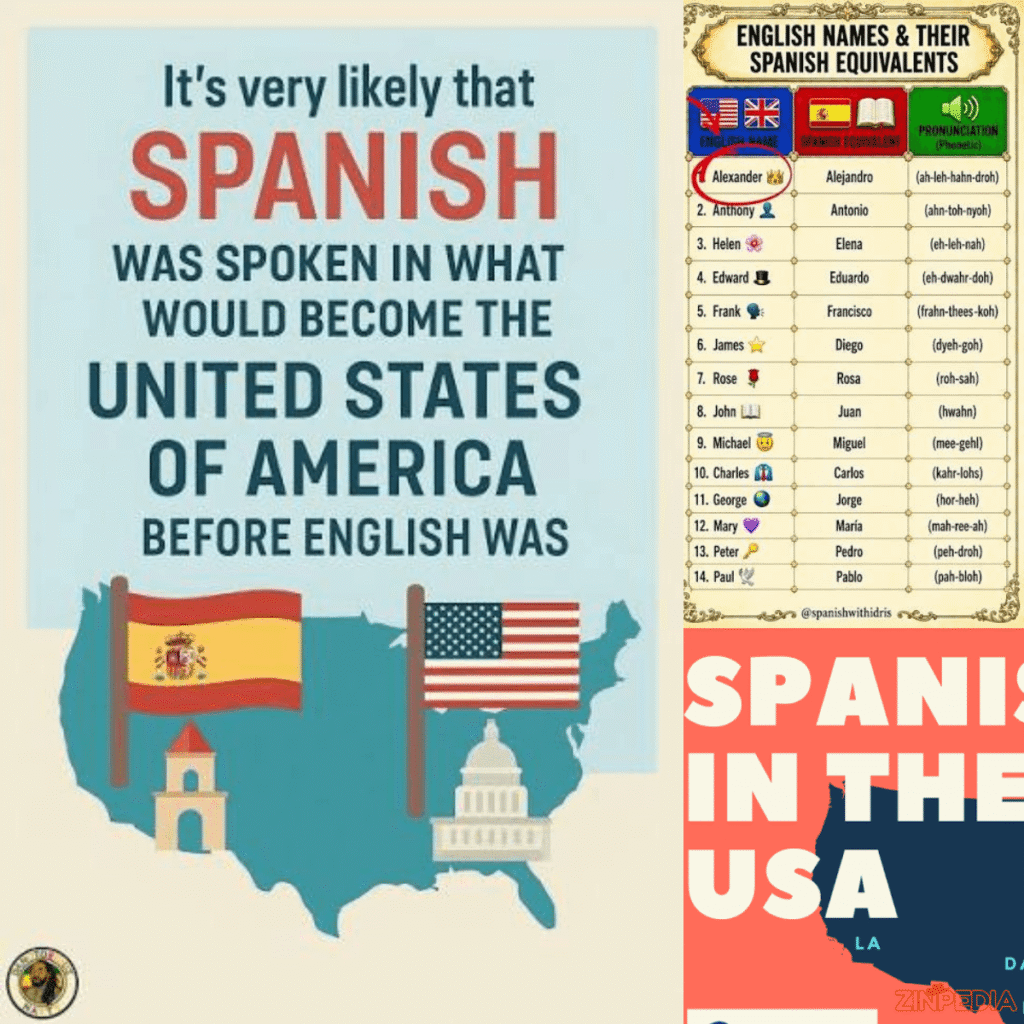
Spanish varies between countries.
Examples:
Food:
- “Jugo” and “zumo” can both mean juice depending on region.
Computer:
- “Computadora” and “ordenador” are used in different Spanish-speaking areas.
Choose vocabulary based on your audience.
Review Grammar and Structure
Spanish grammar includes differences such as:
- Gendered nouns
- Verb changes
- Formal and informal speech
- Sentence structure
Understanding these rules improves translation quality.
English to Spanish Translation Tools: Benefits and Limitations
Online translation tools are useful for quick translations, but they are not always perfect.
Benefits
Translation tools can help with:
- Basic phrases
- Vocabulary learning
- Quick understanding
- Simple communication
They are convenient for everyday needs.
Limitations
Automatic translation may struggle with:
- Humor
- Cultural expressions
- Professional documents
- Complex sentences
- Emotional messages
For important content, human review is often recommended.
Tips for Writing Better Spanish Translations
If you are translating content professionally or personally, follow these practices:
- Keep sentences clear and simple.
- Avoid translating every word literally.
- Understand the intended audience.
- Use natural Spanish expressions.
- Check grammar carefully.
- Maintain the original tone.
A good translation should feel like it was originally written in Spanish.
English to Spanish Translation for Different Situations
Different situations require different translation styles.
Formal Translation
Used for:
- Business documents
- Legal communication
- Professional emails
Formal Spanish requires respectful language and accurate wording.
Casual Translation
Used for:
- Friends
- Social media
- Everyday conversations
Casual Spanish often uses simpler and more relaxed expressions.
Creative Translation
Used for:
- Advertisements
- Stories
- Marketing campaigns
Creative translation focuses on preserving emotion and impact.
Frequently Asked Questions About English to Spanish Translation
What is English to Spanish translation?
English to Spanish translation is the process of converting English words, sentences, or documents into Spanish while keeping the original meaning.
What is the best way to translate English into Spanish?
The best method depends on the purpose. Translation tools work well for simple phrases, while professional translators are better for important documents and complex content.
Is English to Spanish translation always word-for-word?
No. Effective translation focuses on meaning and natural communication rather than replacing every word directly.
How accurate are online translation tools?
Online tools are useful for basic translations but may make mistakes with context, expressions, and cultural meanings.
How can I improve my English to Spanish translation skills?
Practice vocabulary, learn Spanish grammar, study common expressions, and regularly read Spanish content.
Is Spanish the same in every country?
No. Spanish has regional differences in vocabulary, pronunciation, and expressions. Spanish spoken in Spain can differ from Spanish spoken in Latin America.
Conclusion: Mastering English to Spanish Translation Through Understanding
English to Spanish translation is more than converting words. It is about understanding people, cultures, and communication styles.
Whether you need translation for travel, business, education, or personal conversations, focusing on meaning and context creates better results.
Learning common phrases, understanding regional differences, and practicing regularly can help anyone improve their Spanish communication skills.
A successful translation does not simply change language — it connects people.
Explore More Helpful Articles– Visit Now