
Introduction
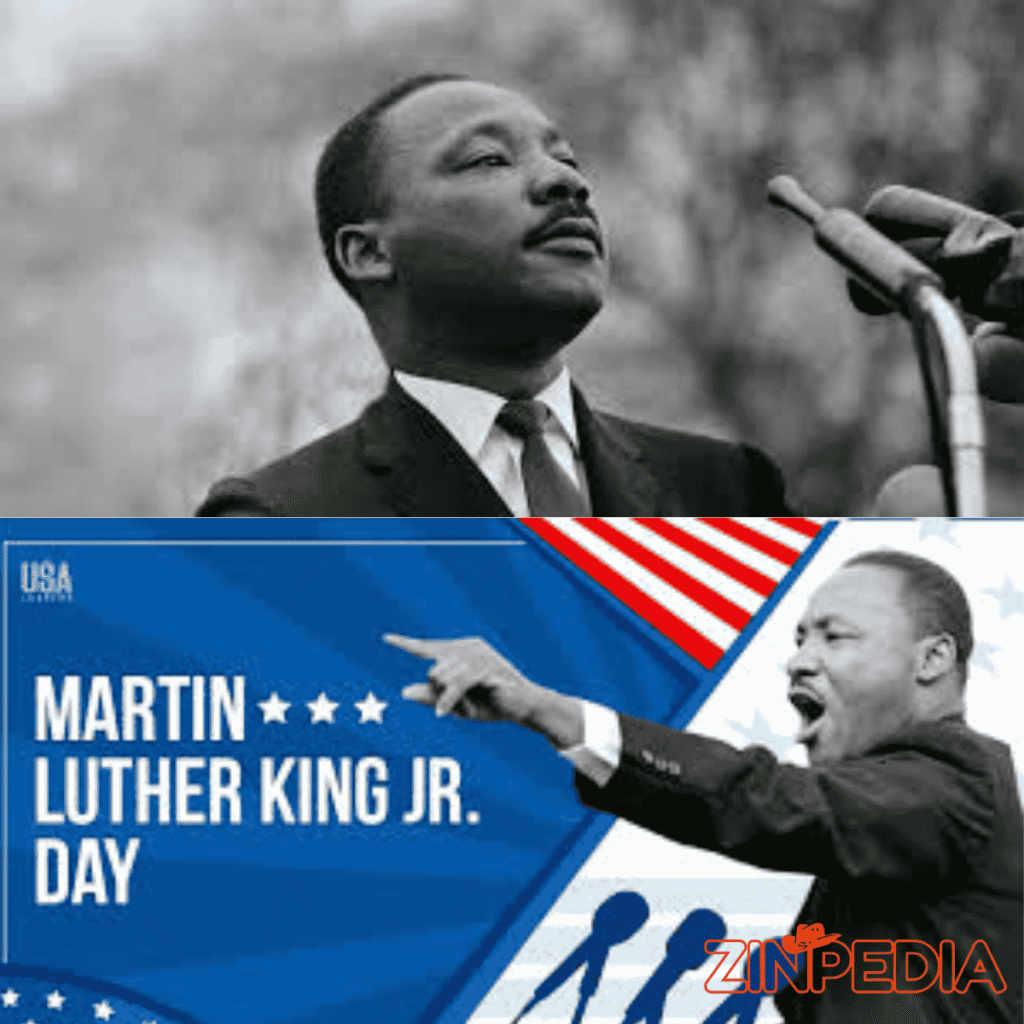
Dr. Martin Luther King Jr. Day is more than a public holiday. It is a day of remembrance, learning, reflection, and service. Every year, people across the United States honor Dr. Martin Luther King Jr., one of the most powerful voices in the fight for civil rights, racial equality, justice, and peace.
Many people know Dr. King because of his famous “I Have a Dream” speech. However, his legacy is much bigger than one historic speech. He was a pastor, civil rights leader, writer, speaker, and peaceful activist who helped change the direction of American history. His work inspired millions of people to believe that injustice could be challenged without hate and that real change could come through courage, unity, and nonviolent action.
Dr. Martin Luther King Jr. Day reminds us that equality was not achieved easily. It came through sacrifice, organized protest, moral courage, and the efforts of many ordinary people who refused to accept unfair treatment. The holiday also reminds us that Dr. King’s dream is not only a memory from the past. It is still a message for the present and a responsibility for the future.
This day encourages people to think about justice, human dignity, service, and kindness. It asks an important question: how can we continue Dr. King’s work in our own lives, schools, workplaces, and communities?
What Is Dr. Martin Luther King Jr. Day?
Dr. Martin Luther King Jr. Day is a federal holiday in the United States that honors the life, work, and legacy of Dr. Martin Luther King Jr. It is observed every year on the third Monday of January, close to Dr. King’s birthday on January 15.
The holiday celebrates Dr. King’s leadership in the civil rights movement and his fight against racial discrimination. It also honors his belief that people should be judged by their character, actions, and humanity rather than by the color of their skin.
MLK Day is not only about remembering history. It is also about taking action in the present. Dr. King believed that justice required effort, courage, and responsibility. Because of this, many people use the day to volunteer, support their communities, attend educational programs, read about civil rights history, and teach children about equality and respect.
This is why the holiday is often described as “a day on, not a day off.” The meaning is simple: instead of treating the holiday only as a break from school or work, people are encouraged to use it as a day of service, learning, and positive action.
Quick Facts About Dr. Martin Luther King Jr. Day
- Holiday Name: Dr. Martin Luther King Jr. Day
- Also Known As: MLK Day or Martin Luther King Jr. Day
- Observed In: United States
- Observed On: The third Monday of January every year
- Dr. King’s Birthday: January 15, 1929
- Main Purpose: To honor Dr. King’s life, civil rights work, and message of equality
- Core Values: Justice, peace, nonviolence, service, dignity, and equality
- Common Tradition: Volunteering and community service
- Important Message: A day on, not a day off
The History Behind Dr. Martin Luther King Jr. Day
Dr. Martin Luther King Jr. was born on January 15, 1929, in Atlanta, Georgia. He grew up during a time when racial segregation was legal in many parts of the United States. Black Americans often faced unfair treatment in schools, public transportation, restaurants, housing, voting, employment, and public spaces.
Dr. King became a minister and later became one of the most important leaders of the civil rights movement. He believed that injustice should be challenged, but he also believed that protest should remain peaceful. His method was based on nonviolent resistance. Christian teachings and the peaceful methods of leaders such as Mahatma Gandhi shaped this approach.
One of Dr. King’s first major national moments came during the Montgomery Bus Boycott in 1955. The boycott began after Rosa Parks refused to give up her bus seat to a white passenger. Dr. King helped lead the boycott, which lasted for more than a year and became a major victory against segregation in public transportation.
After that, Dr. King helped lead marches, campaigns, speeches, and peaceful protests that brought national attention to racial injustice. His leadership helped push the United States toward major civil rights reforms.
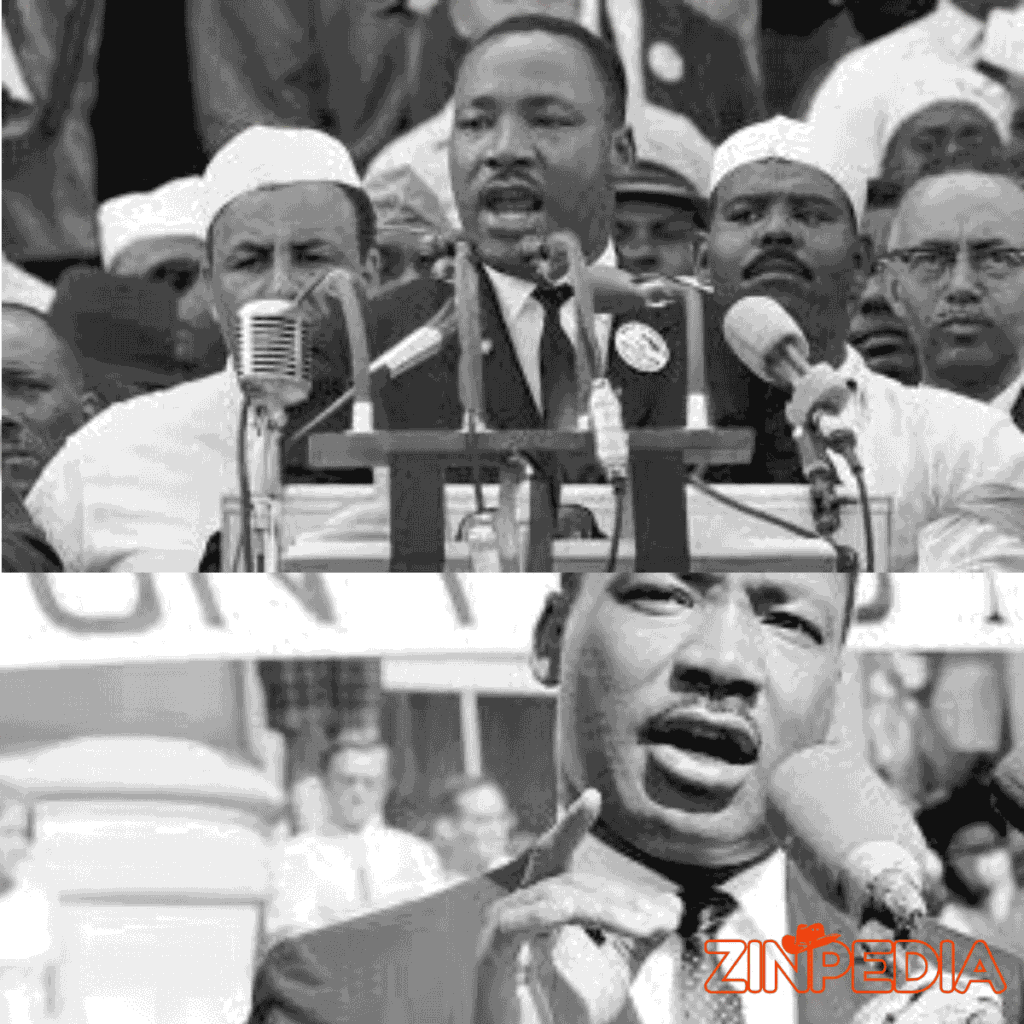
In 1963, Dr. King delivered his famous “I Have a Dream” speech during the March on Washington. In that speech, he shared a vision of a country where people would not be judged by race but by character. The speech became one of the most recognized calls for equality in modern history.
In 1964, Dr. King received the Nobel Peace Prize for his nonviolent struggle against racial injustice. Sadly, he was assassinated on April 4, 1968, in Memphis, Tennessee.
After his death, many people began calling for a national holiday in his honor. The campaign took years of public support and political effort. The holiday was signed into law in 1983 and was first officially observed as a federal holiday in 1986. Over time, it became not only a day of remembrance but also a national day of service.
Important Dates in Dr. Martin Luther King Jr. Day History
Dr. Martin Luther King Jr. Day has a powerful history connected to Dr. King’s life, leadership, and legacy. These important dates help explain why the holiday matters.
- January 15, 1929: Dr. Martin Luther King Jr. was born in Atlanta, Georgia.
- 1955: Dr. King became a major national figure during the Montgomery Bus Boycott.
- 1963: He delivered the famous “I Have a Dream” speech during the March on Washington.
- 1964: Dr. King received the Nobel Peace Prize for his nonviolent fight against racial injustice.
- April 4, 1968: Dr. King was assassinated in Memphis, Tennessee.
- 1983: The holiday honoring Dr. King was signed into law.
- 1986: Dr. Martin Luther King Jr. Day was first officially observed as a federal holiday.
- 2000: All 50 U.S. states officially recognized the holiday.
These dates show that MLK Day did not happen overnight. It was the result of years of public pressure, community action, and national recognition of Dr. King’s impact on American history.
Why Dr. Martin Luther King Jr. Day Is Important
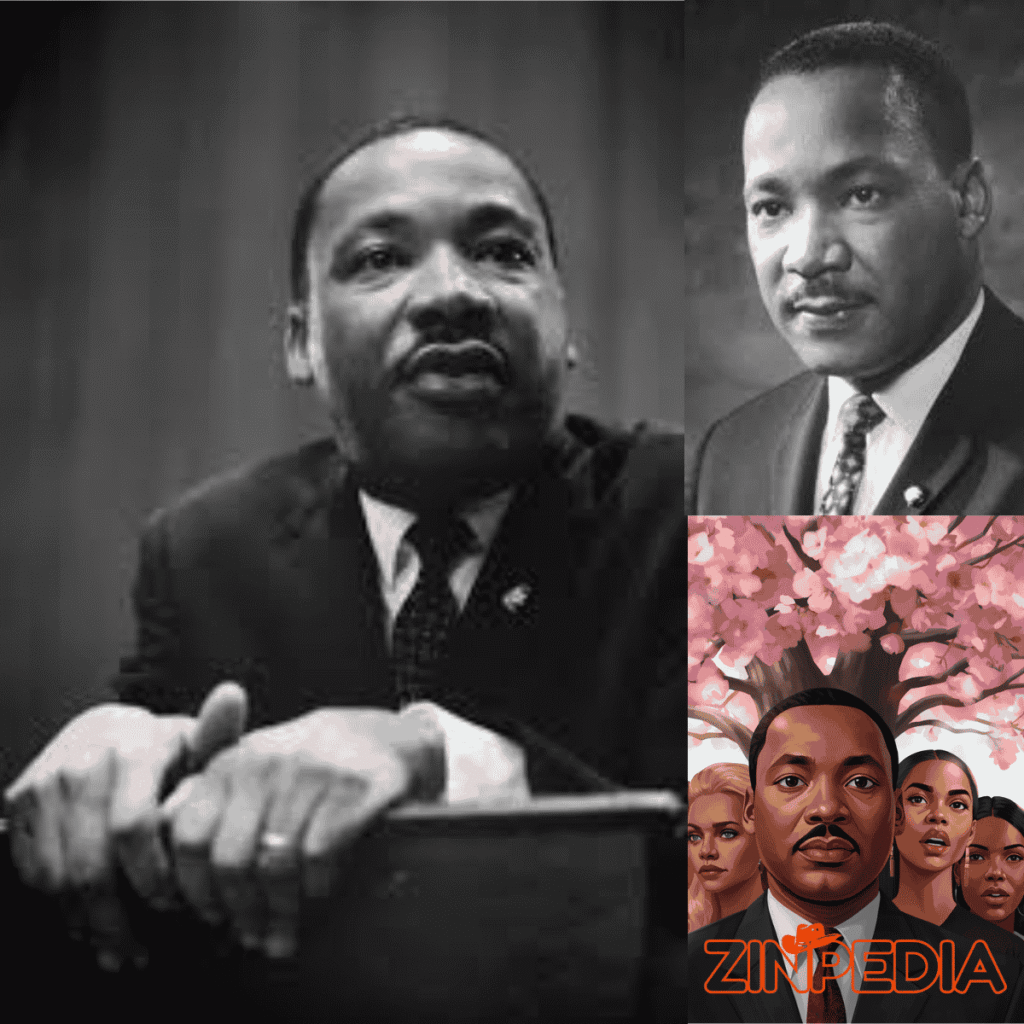
Dr. Martin Luther King Jr. Day is important because it keeps the values of justice, equality, peace, and service alive. It reminds people that civil rights were not handed over easily. They were won through courage, sacrifice, peaceful protest, and organized action.
The holiday also helps younger generations understand the civil rights movement. Many students today did not live during the time of legal segregation. MLK Day gives schools, families, and communities a chance to teach this history in a clear and meaningful way.
This day matters because it teaches powerful lessons. It shows that change is possible when people work together. It shows that peaceful action can challenge unfair systems. It reminds us that every person deserves respect and dignity. It also teaches that silence can allow injustice to continue.
Dr. King’s life shows that true leadership is not only about power or position. True leadership is about courage, responsibility, service, and moral strength. He used his voice to speak for people who were being treated unfairly, even when doing so placed him in danger.
MLK Day is also important because it connects history with modern responsibility. Remembering Dr. King is not enough. The real purpose of the day is to ask how we can continue his work in our homes, schools, workplaces, and communities.
Why This Holiday Is More Than a Day Off
Dr. Martin Luther King Jr. Day is often called “a day on, not a day off” because its purpose is not only rest. It is a day for reflection, service, learning, and action. The holiday encourages people to do something meaningful, whether that means helping a neighbor, volunteering in the community, learning civil rights history, or teaching children about equality and respect.
This makes MLK Day different from many other holidays. It is not only about honoring a person from the past. It is about continuing the work Dr. King believed in. His dream was not just about speeches and marches. It was about building a society where every person is treated with dignity and given a fair chance.
The best way to observe Dr. Martin Luther King Jr. Day is through action. Even a small act of service can reflect the values of justice, kindness, and responsibility.
A person may volunteer at a food bank. A family may donate clothes or meals to people in need. A student may read about the civil rights movement and share what they learned. A workplace may organize a community project. These actions may seem small, but they carry the spirit of Dr. King’s message.
The Main Message of Dr. Martin Luther King Jr.
The main message of Dr. Martin Luther King Jr. was that all people deserve equality, justice, dignity, and fair treatment. He believed that society could not be truly peaceful if it were built on unfairness.
Dr. King did not believe peace meant staying silent. For him, real peace meant truth, justice, and fairness. He believed people should speak against injustice, but they should do it with discipline, courage, and nonviolence.
Equality
Dr. King believed every human being has equal value. He wanted a society where people would not be treated differently because of race, skin color, or background. His dream was a world where people were respected for their character, actions, and humanity.
Justice
Dr. King believed unfair laws and unfair systems should be challenged. He taught that people have a moral responsibility to stand against injustice. For him, justice was not only a legal idea. It was a human responsibility.
Nonviolence
Dr. King’s method of protest was peaceful but powerful. Nonviolence did not mean weakness. It required courage, patience, discipline, and great inner strength. He showed that people could fight injustice without becoming hateful.
Service
Service was central to Dr. King’s message. He believed that a meaningful life is connected to helping people and improving the world around us. Serving others is one of the clearest ways to honor his legacy.
Hope
Even in difficult times, Dr. King spoke with hope. He believed that change was possible when people worked together with courage and love. This is why his message still inspires people around the world.
How People Celebrate Dr. Martin Luther King Jr. Day
People celebrate Dr. Martin Luther King Jr. Day in many meaningful ways. Some attend public events, while others volunteer, read, teach, or spend time reflecting on Dr. King’s message.
Schools often teach students about Dr. King’s speeches, the civil rights movement, and the importance of treating people fairly. Churches, libraries, universities, and community organizations may hold special programs, discussions, remembrance events, or service projects.
Many people volunteer at food banks or shelters. Some donate clothes, books, or supplies to people in need. Others join community cleanup projects, attend educational events, watch documentaries, or read Dr. King’s speeches and writings.
One of the most meaningful ways to honor Dr. King is through service. Helping others reflects the values he lived by. It turns remembrance into action.
The action does not have to be large. What matters is the purpose behind it. Even a small act of kindness can reflect the spirit of Dr. King’s message.
Practical Ways to Honor Dr. King’s Legacy Today
Honoring Dr. Martin Luther King Jr. is not limited to one day each year. His legacy can be honored through everyday choices and long-term action.
Learn the Real History
Take time to learn more than basic facts. Read about the civil rights movement, segregation, voting rights, peaceful protests, and the many people who worked with Dr. King. Understanding history helps us understand why his work mattered so much.
Learning history also helps people see that change is created by many people working together. Dr. King was a great leader, but he was part of a larger movement that included students, pastors, workers, parents, activists, and ordinary citizens.
Serve Your Community
Find a local cause and support it. You can volunteer at a shelter, help a neighbor, support a school program, donate food, or join a community improvement project.
Community service does not always require money. Sometimes your time, attention, and kindness can make a real difference. Helping one person may seem small, but it adds value to the community.
Speak Up Against Injustice
If you see unfair treatment, discrimination, or bullying, do not ignore it. Speaking up does not always mean arguing. It can mean calmly saying what is right, supporting someone who is being mistreated, or reporting unfair behavior.
Dr. King believed that silence can allow injustice to continue. Honoring his legacy means choosing courage when something is wrong.
Practice Respectful Communication
Dr. King believed in peaceful action. In daily life, this means listening carefully, speaking respectfully, and avoiding hateful language. Even when people disagree, they can still treat each other with dignity.
Respectful communication is important because change often begins with an honest conversation. Listening to others can help build understanding and reduce division.
Teach Children About Equality
Parents and teachers can use MLK Day to teach children about kindness, fairness, courage, and respect for all people. Children learn values from adults, and Dr. King’s life gives a powerful example of courage and compassion.
Simple lessons can make a big difference. Children can learn that everyone deserves kindness, no one should be treated unfairly, and standing up for what is right matters.
Support Equal Opportunity
People can also support equal opportunity in education, employment, housing, healthcare, and voting rights. A just society gives people a fair chance to succeed.
Supporting equal opportunity means caring about fairness in real life. It means wanting systems that give people access to education, safety, respect, and hope.
Reflect on Your Own Actions
MLK Day is a good time for personal reflection. Ask yourself honest questions. Do I treat people fairly? Do I listen to people with different experiences? Do I help when I see someone struggling?
Reflection can lead to real personal growth. When people improve their own actions, they also help improve the world around them.
Lessons We Can Learn from Dr. Martin Luther King Jr. Day
Dr. Martin Luther King Jr. Day teaches lessons that are useful in every generation. One of the biggest lessons is that change does not happen by itself. It happens when people decide that injustice is unacceptable.
Dr. King also teaches us that courage does not mean being unafraid. Many civil rights activists faced danger, arrest, and violence. Still, they continued because they believed the cause was right.
Another lesson is that words have power. Dr. King used speeches, sermons, and letters to move people’s hearts and minds. His words helped people imagine a better future. But he also matched his words with action. That combination made his leadership powerful.
MLK Day also teaches that unity matters. The civil rights movement included people of different races, religions, ages, and backgrounds. They worked together for a shared goal. This shows that social progress often requires cooperation.
Most importantly, Dr. Martin Luther King Jr. Day teaches that justice is a daily responsibility. It is not only the work of famous leaders. Ordinary people can make a difference through kindness, courage, service, and honesty.
Why Dr. King’s Legacy Still Matters Today
Dr. King’s legacy still matters because the world still needs his message. Many societies continue to struggle with division, hate, inequality, poverty, and unfair treatment. His words remind us that human dignity must be protected in every generation.
Today, people may face injustice in different forms. Some may experience racism. Others may struggle with unequal education, lack of opportunity, unfair treatment, or poverty. Dr. King’s message encourages people not to accept these problems as normal.
His legacy also matters because it offers a peaceful way forward. In a world where anger can spread quickly, Dr. King’s commitment to nonviolence remains powerful. He showed that strong action does not have to be hateful. A person can fight injustice while still choosing peace.
Dr. King’s dream was not only for one group of people. It was a vision of justice for all people. That is why his message continues to inspire people around the world.
Key Takeaways
Dr. Martin Luther King Jr. Day honors one of the most important civil rights leaders in history. It reminds people of the long fight for equality and the power of peaceful action.
The day is important because it teaches history, encourages service, and inspires people to continue working for justice. Dr. King’s message of equality, nonviolence, courage, and hope remains meaningful today.
The best way to honor MLK Day is not only to remember Dr. King’s words but to live by his values. That means helping others, treating people with dignity, learning from history, and standing against unfairness.
MLK Day is a reminder that justice is not only a topic for history books. It is something people must practice in daily life through kindness, courage, and service.
FAQs About Dr. Martin Luther King Jr. Day
Q1: What is Dr. Martin Luther King Jr. Day?
A: Dr. Martin Luther King Jr. Day is a federal holiday in the United States that honors the life, work, and legacy of Dr. Martin Luther King Jr., a major leader of the civil rights movement.
Q2: When is Dr. Martin Luther King Jr. Day celebrated?
A: Dr. Martin Luther King Jr. Day is celebrated every year on the third Monday of January. It is observed near Dr. King’s birthday, which is January 15.
Q3: Why do we celebrate Dr. Martin Luther King Jr. Day?
A: We celebrate the day to remember Dr. King’s fight for racial equality, civil rights, justice, peace, and nonviolence. The holiday also encourages people to serve their communities.
Q4: What is the main message of Dr. Martin Luther King Jr. Day?
A: The main message of the day is equality, justice, service, and peaceful action. It reminds people to treat others with dignity and work against injustice.
Q5: Is Dr. Martin Luther King Jr. Day a national holiday?
A: Yes, Dr. Martin Luther King Jr. Day is a federal holiday in the United States.
Q6: What does “a day on, not a day off” mean?
A: It means people are encouraged to use MLK Day for service, learning, and community action instead of only treating it as a day away from work or school.
Q7: How can students honor Dr. Martin Luther King Jr. Day?
A: Students can honor the day by learning about civil rights history, reading Dr. King’s speeches, joining school service projects, creating presentations, or helping their community.
Q8: What was Dr. King’s most famous speech?
A: Dr. King’s most famous speech is the “I Have a Dream” speech, delivered during the March on Washington in 1963.
Q9: Why is Dr. Martin Luther King Jr. important today?
A: Dr. King is important today because his message of equality, nonviolence, justice, and service still helps people understand how to build fairer and more peaceful communities.
Q10: How can people honor Dr. King’s legacy every day?
A: People can honor his legacy by treating others with respect, standing against unfairness, helping those in need, learning history, and choosing peaceful communication.
Conclusion
Dr. Martin Luther King Jr. Day is more than a holiday on the calendar. It is a reminder of courage, justice, equality, service, and hope. It honors a leader who believed that love could be stronger than hate, peaceful action could challenge injustice, and ordinary people could help change the world.
The true meaning of MLK Day is not only found in speeches, ceremonies, or history books. It is found in what people do with their day. When we serve others, learn the truth about history, speak against unfairness, and treat people with dignity, we help continue Dr. King’s work.
His dream was not only about the past. It is still a guide for the future. Every generation has the responsibility to protect justice, respect human dignity, and build communities where all people have a fair chance.
The best way to honor Dr. Martin Luther King Jr. Day is to live its message — not just once a year, but every day.
Explore More Helpful Articles– Visit Now