


Medical Disclaimer
This article is for general education only. It is not a replacement for medical advice from a qualified healthcare professional. If your feet are severely painful, swollen, numb, discolored, blistered, infected, or if you have diabetes or poor circulation, seek medical care as soon as possible.
What Is Trench Foot?
Trench foot is a foot injury that happens when the feet stay wet for too long. It is most common in cold, damp conditions, but freezing weather is not required. The feet do not have to turn into ice for damage to occur. Even cool, wet conditions can reduce circulation, soften the skin, and irritate the nerves and tissues inside the feet.
Another name for trench foot is immersion foot. It is also known as a non-freezing cold injury because the damage happens without the tissue actually freezing.
The condition became famous during World War I, when soldiers spent long hours standing in muddy trenches with wet boots and socks. Many suffered serious foot problems because they could not dry their feet or change socks regularly. Today, trench foot can still affect hikers, campers, outdoor workers, flood victims, soldiers, athletes, and people who do not have access to dry shoes or shelter.
The important thing to understand is this: trench foot is not just “wet feet.” It is a real injury. If ignored, it can lead to pain, swelling, blisters, skin breakdown, infection, and long-term nerve sensitivity.
Why Trench Foot Happens
Your feet need healthy blood flow to stay warm, flexible, and protected. When your feet are wet for many hours, the skin becomes soft and weak. If the weather is also cold or damp, blood vessels may narrow. This reduces the amount of warm blood reaching the feet.
Over time, the tissues in the feet may not get enough oxygen and nutrients. The nerves may become irritated. The skin may lose strength. Small cuts, blisters, or sore areas can develop more easily.
Several things can make trench foot more likely.
Wet Socks
Wet socks are one of the biggest causes. They keep moisture pressed against the skin. Whether the wetness comes from rain, sweat, mud, snow, or floodwater, the result can be the same: soft, weak skin and reduced comfort.
Tight Shoes or Boots
Footwear that squeezes the feet can reduce circulation. Tight boots also trap moisture and increase rubbing. When pressure, cold, and wet socks combine, the risk becomes higher.
Long Hours Without Drying the Feet
The longer your feet stay wet, the more danger there is. A short walk in the rain usually does not cause trench foot. But spending many hours in wet shoes, especially without changing socks, can become risky.
Cold and Damp Weather
Cold weather makes blood vessels tighten. Damp weather keeps the feet from drying naturally. Together, these conditions create a perfect setting for trench foot.
Poor Foot Care
If feet are not cleaned, dried, or checked regularly, small problems can become bigger. Dirty socks and damaged skin also increase the chance of infection.
Trench Foot Symptoms
Trench foot does not always begin with severe pain. In many cases, the first signs are mild and easy to ignore. This is why people may continue walking or working without realizing the condition is getting worse.
Common symptoms of trench foot include:
- Cold feet
- Numbness
- Tingling
- Swelling
- Foot pain
- Heavy feeling in the feet
- Burning sensation
- Itching
- Pale, red, blue, gray, or blotchy skin
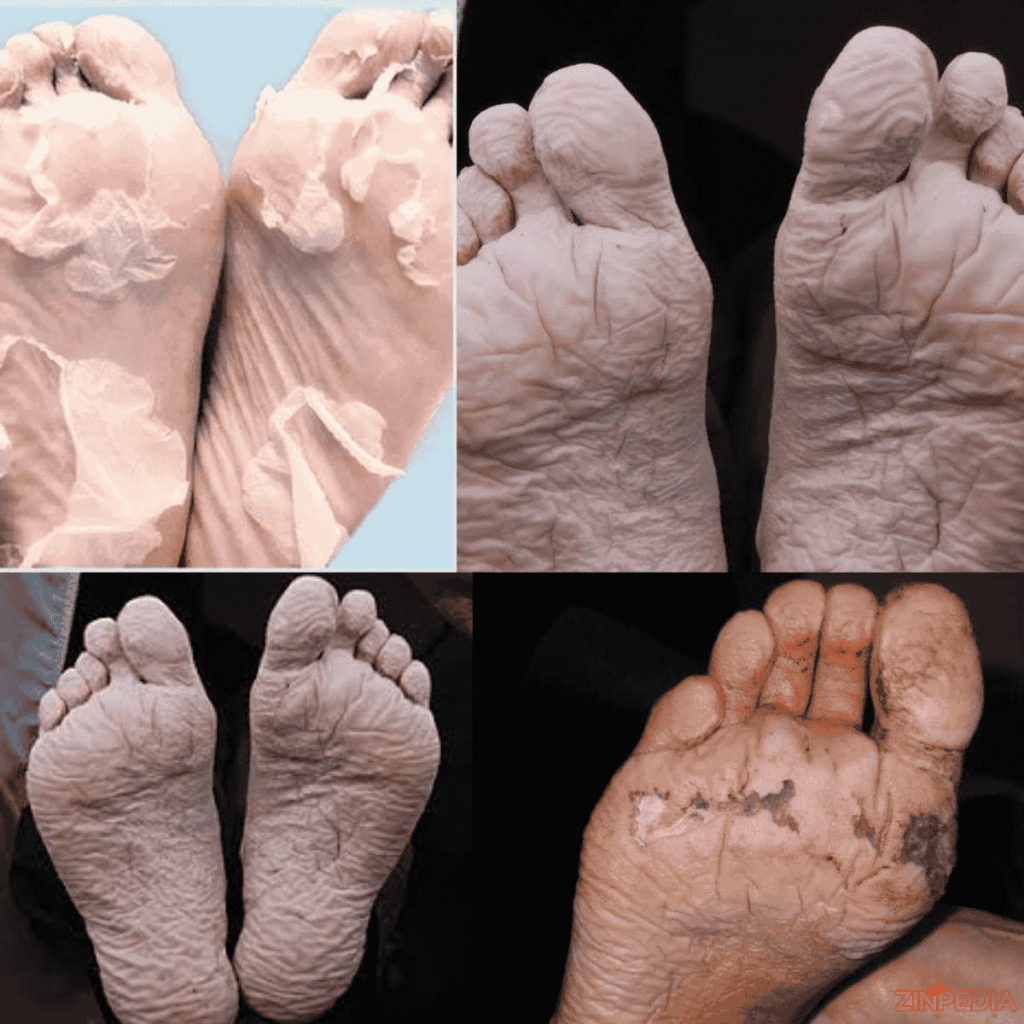
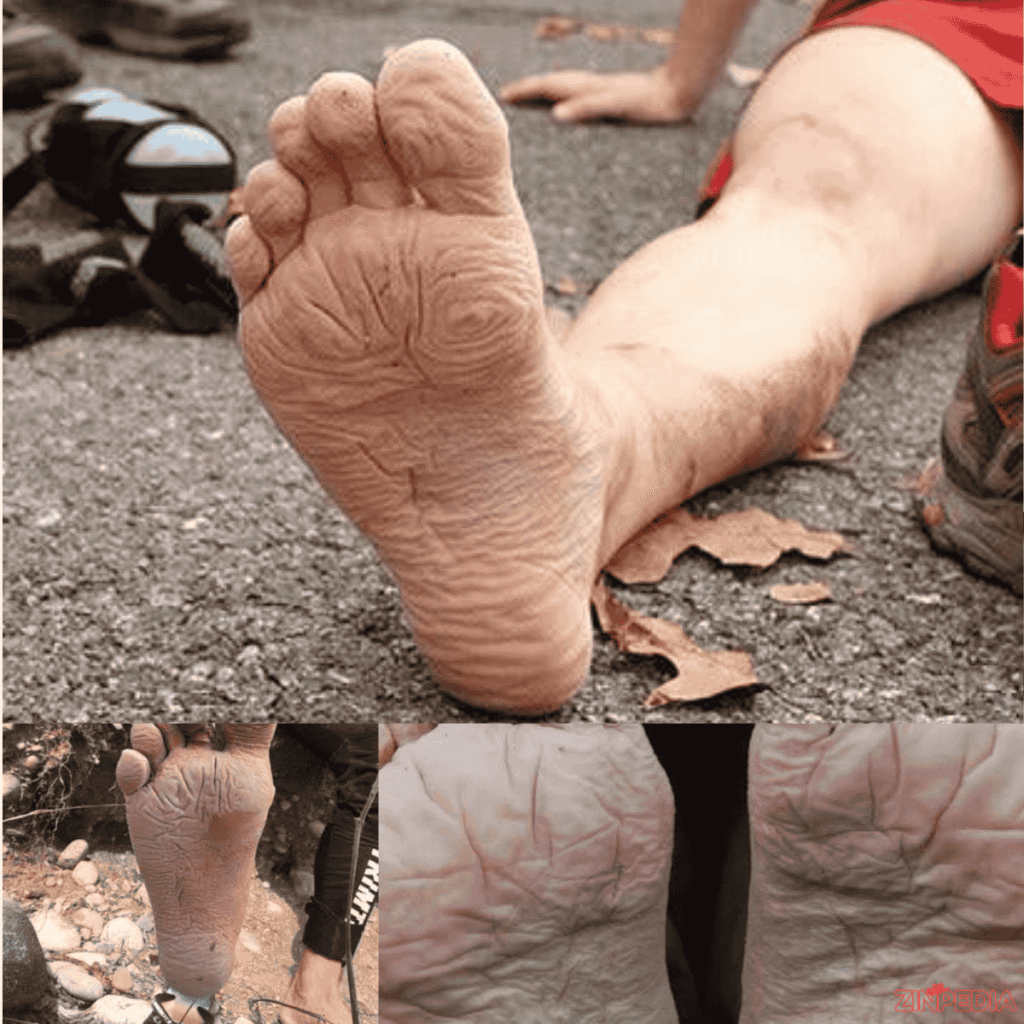
- Wrinkled or soggy skin
- Tight or shiny skin
- Blisters
- Peeling skin
- Open sores
- Difficulty walking
One confusing thing about trench foot is that numb feet may not hurt much at first. Pain may become stronger when the feet start to warm up again. Some people feel burning, pins and needles, or sharp discomfort during rewarming.
Early Signs
Early trench foot may feel like your feet are cold, heavy, or strangely numb. The skin may look pale or wrinkled, almost like it has been in water too long. You may notice tingling when moving your toes.
This is the best time to act. Removing wet socks, drying the feet, and warming them gently may stop the problem from becoming worse.
More Serious Signs
If trench foot progresses, swelling and pain may increase. The skin may change color. Blisters or open areas may appear. Walking can become painful, and the feet may feel very sensitive.
Warning signs that need medical attention include:
- Severe or increasing pain
- Swelling that keeps getting worse
- Blue, black, gray, or very pale skin
- Open wounds
- Pus or bad smell
- Fever or chills
- Numbness that does not improve
- Trouble walking
- Symptoms in a person with diabetes
- Symptoms in a person with poor circulation
Do not ignore these signs. Foot infections and circulation problems can become serious if treatment is delayed.
Who Can Get Trench Foot?
Anyone can get trench foot if their feet remain wet for long enough. However, some people are more exposed because of their work, travel, hobbies, or living conditions.
People at higher risk include:
- Hikers
- Backpackers
- Campers
- Soldiers
- Outdoor workers
- Construction workers
- Farmers
- Fishermen
- Rescue workers
- Flood cleanup volunteers
- Festival-goers
- Athletes training in wet shoes
- People experiencing homelessness
- People with diabetes
- People with poor blood circulation
- People with nerve problems in their feet
For example, a hiker may cross streams during the day and keep walking in wet socks. At first, it may only feel uncomfortable. After several hours, the skin may become pale, numb, swollen, and painful.
A worker may spend a rainy day in waterproof boots. The boots may stop rain from entering, but sweat may collect inside. If the socks stay damp for the whole shift, trench foot can still become a risk.
People with diabetes or nerve damage need extra care. They may not feel the early warning signs clearly, which means a foot injury can become serious before they notice it.
Trench Foot Treatment: What to Do First
If you think you have trench foot, the first goal is to get your feet out of the wet environment. Early care can make a big difference.
Follow these steps:
- Remove wet shoes and socks.
- Clean the feet gently if clean water is available.
- Dry the feet carefully, especially between the toes.
- Warm the feet slowly.
- Put on clean, dry socks.
- Rest and avoid unnecessary walking.
- Raise the feet slightly to help reduce swelling.
- Check for blisters, cuts, sores, or color changes.
- Get medical help if symptoms are strong or do not improve.
Warming should be gentle. Do not put numb feet directly near a fire, heater, or very hot water. If the skin is numb, you may not feel heat properly and could burn yourself.
What You Should Avoid
Some actions can make trench foot worse. Avoid these mistakes:
- Do not rub the feet hard.
- Do not massage swollen or painful feet.
- Do not use hot water.
- Do not place feet close to direct heat.
- Do not pop blisters.
- Do not continue wearing wet socks.
- Do not walk long distances on painful feet.
- Do not ignore signs of infection.
A common mistake is rubbing the feet to “bring back feeling.” This can damage already injured tissue. Gentle care is safer.
When to See a Doctor
Mild discomfort may improve after drying and warming the feet, but some cases need professional care. You should contact a doctor or visit a clinic if symptoms are serious, spreading, or not improving.
Seek medical help if you notice:
- Strong pain
- Large blisters
- Open wounds
- Skin turning blue, black, gray, or very pale
- Swelling that gets worse
- Pus
- Bad smell
- Fever
- Chills
- Numbness lasting a long time
- Trouble walking
- Diabetes
- Poor circulation
- Weak immune system
A healthcare provider may check the foot for infection, circulation problems, skin damage, and nerve-related symptoms. Treatment may include wound care, pain control, infection treatment, and advice on recovery.
How Long Does Trench Foot Take to Heal?
Healing time depends on how early the condition is treated and how severe the damage is.
A mild case may improve within a few days after the feet are dried, warmed, and rested. A moderate case may take several weeks. A severe case can take longer and may leave lasting symptoms such as sensitivity to cold, numbness, tingling, or nerve pain.
During healing, the feet may feel tender. The skin may remain weak for a while. Even if the feet look better, they may still need protection.
Helpful recovery habits include:
- Keep feet dry.
- Wear clean socks.
- Choose loose, breathable footwear.
- Avoid long walks until pain improves.
- Keep blisters covered and clean.
- Rest when possible.
- Raise swollen feet.
- Check the feet daily.
- Follow medical advice if you received treatment.
Do not rush back into wet shoes or long outdoor activities too soon. Repeated wet exposure can slow healing and may cause symptoms to return.
How to Prevent Trench Foot
Prevention is easier than treatment. The best way to avoid trench foot is to protect your feet from long-lasting wetness.
Change Wet Socks Quickly
If your socks become wet, change them as soon as possible. Carry extra socks when hiking, camping, working outdoors, or traveling in rainy weather.
Wool or moisture-wicking socks are often better than cotton because cotton holds water and dries slowly.
Dry Your Feet During Breaks
Whenever safe, take off your shoes and socks during rest breaks. Let your feet air out. Use a small towel to dry the skin, especially between the toes.
Wear Proper Footwear
Your shoes or boots should fit well. They should not squeeze your toes or press tightly on the top of your foot. Tight footwear can reduce circulation and increase friction.
Good footwear should:
- Fit comfortably
- Protect the feet from outside moisture
- Allow enough room for toes
- Reduce rubbing
- Support your activity
- Help manage sweat and moisture
Keep Feet Clean
Clean feet are less likely to develop skin problems. Wash your feet when possible and dry them completely before wearing socks.
Move Your Feet
If you must stand in wet or cold conditions, move your toes and shift your weight. Small movements can help circulation.
Pack a Foot Care Kit
A small foot care kit can be very useful for outdoor activities or emergencies. You can include:
- Extra socks
- Small towel
- Foot powder
- Blister pads
- Clean bandages
- Waterproof bag for dry socks
- Spare insoles
- Lightweight dry footwear for rest
Check Your Feet Daily
If you are spending more than one day in wet conditions, inspect your feet every day. Look for swelling, redness, blisters, numb spots, wrinkled skin, cuts, or pain. Early signs are easier to handle than serious symptoms.
Trench Foot vs Frostbite vs Athlete’s Foot
Trench foot is sometimes confused with other foot problems. Understanding the difference can help you respond correctly.
Trench Foot
Trench foot happens after long exposure to wet conditions. It often involves cold or damp weather, but the tissue does not freeze. Symptoms may include numbness, swelling, pain, and skin changes.
Frostbite
Frostbite happens when skin and tissue freeze. It usually occurs in freezing temperatures. Toes, fingers, nose, ears, and cheeks are common areas affected.
Athlete’s Foot
Athlete’s foot is a fungal infection. It often causes itching, peeling, cracking, and burning, especially between the toes. It is not the same as trench foot, but wet feet can increase the risk of fungal infection.
Simple comparison:
- Trench foot: injury from long wet exposure
- Frostbite: injury from freezing
- Athlete’s foot: fungal infection
If you are unsure what is happening to your feet, especially if there is pain, swelling, numbness, or skin color change, it is safer to get medical advice.
Practical Examples
Example 1: Long Rainy Walk
Someone walks for hours in the rain wearing the same socks. Their feet become cold, numb, and wrinkled. Later, when they remove their shoes, their feet start burning and swelling. This may be an early sign of trench foot.
Better action: change socks, dry the feet, warm them gently, and rest.
Example 2: Flood Cleanup
A person helps clean a flooded area and spends several hours in wet footwear. Floodwater may contain dirt and germs. If the skin becomes soft, cracked, or blistered, the risk of infection can increase.
Better action: wear protective footwear, clean and dry the feet afterward, and seek medical care if wounds appear.
Example 3: Camping Trip
A camper sleeps in damp socks after a rainy day. In the morning, the feet feel cold, swollen, and painful. This could have been prevented by changing into dry socks before sleep.
Better action: keep one dry pair of socks only for sleeping.
FAQs About Trench Foot
Q1: Can trench foot happen quickly?
A: Yes. It can develop after many hours of wet exposure. The risk is higher when the weather is cold or damp, and the feet cannot dry.
Q2: Is trench foot dangerous?
A: It can be dangerous if ignored. Mild cases may improve with early care, but severe cases can lead to wounds, infection, nerve pain, and long-term sensitivity.
Q3: Is trench foot contagious?
A: No. Trench foot does not spread from person to person. It is caused by wet conditions, cold exposure, and reduced circulation.
Q4: Can trench foot happen without freezing weather?
A: Yes. Trench foot can happen above freezing temperatures. The key problem is long exposure to wet conditions, especially when the feet are cold and poorly ventilated.
Q5: What does trench foot feel like?
A: It may feel like numbness, tingling, heaviness, swelling, burning, itching, aching, or sharp pain. Pain may become stronger when the feet start warming again.
Q6: Should I walk if I have trench foot?
A: Avoid unnecessary walking. Walking on injured feet can increase pain and slow recovery. Rest and elevate your feet when possible.
Q7: Can trench foot heal on its own?
A: A mild case may improve with early care, but you should monitor symptoms closely. If pain, swelling, numbness, wounds, blisters, or color changes continue, seek medical help.
Q8: What is the fastest way to prevent trench foot?
A: Keep feet dry. Change wet socks quickly, dry your feet during breaks, wear proper footwear, and check your feet regularly in wet conditions.
Q9: Can trench foot cause permanent problems?
A: Severe or untreated trench foot can cause long-term issues such as nerve pain, numbness, cold sensitivity, and ongoing discomfort.
Q10: When should I get urgent care?
A: Get urgent care if the foot becomes severely painful, very swollen, blue, black, gray, infected, blistered, or numb for a long time. People with diabetes or poor circulation should seek help early.
Conclusion
Trench foot is a preventable but serious foot condition caused by long exposure to wet conditions. It does not require freezing weather. Feet that stay wet, cold, and trapped inside socks or shoes for many hours can become numb, swollen, painful, and damaged.
The best protection is simple foot care. Keep your feet dry. Change wet socks quickly. Wear shoes that fit properly. Dry your feet during breaks. Check your skin daily when you are in wet conditions. If symptoms appear, remove wet footwear, dry and warm the feet gently, rest, and seek medical help when needed.
Healthy feet are easy to ignore until something goes wrong. In wet or cold environments, dry socks and proper foot care are not just about comfort. They can protect you from pain, infection, and long-term injury.
Explore More Helpful Articles– Visit Now