

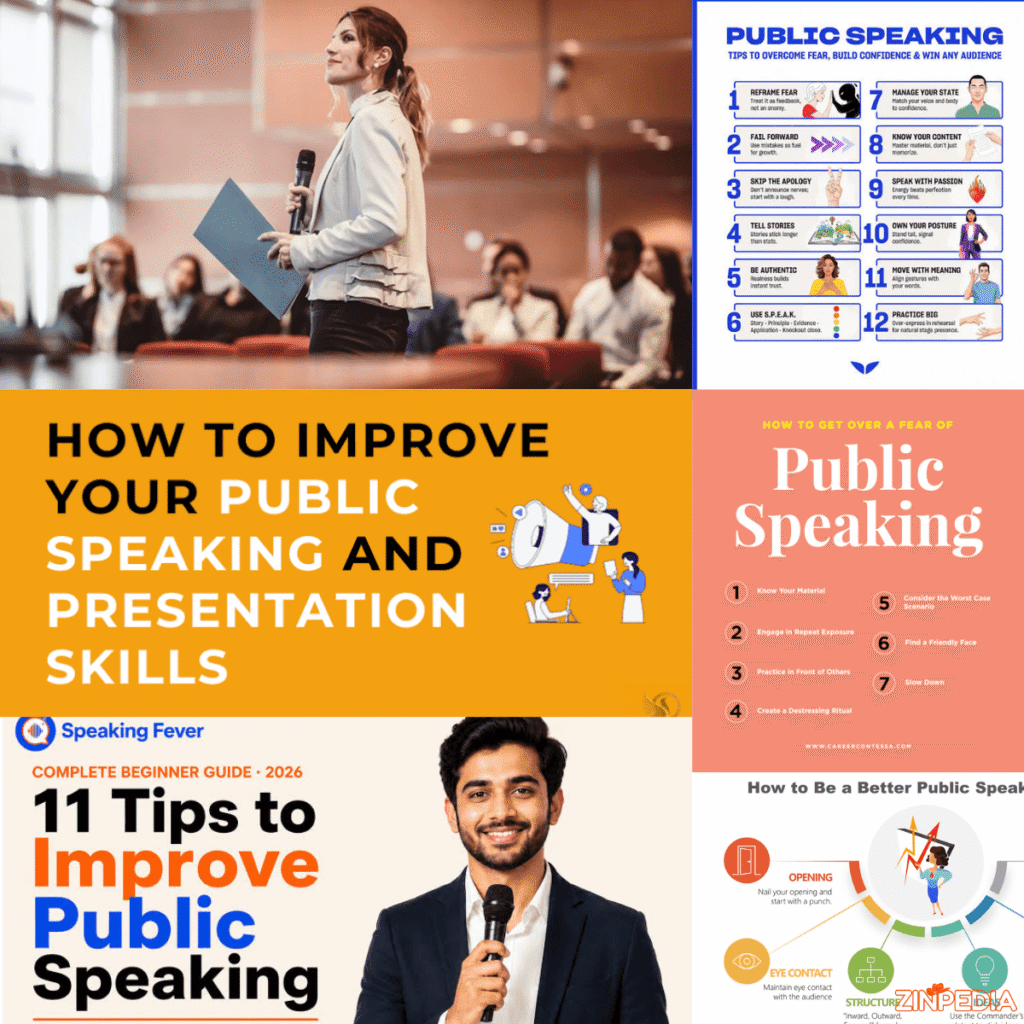
Introduction: Master Public Speaking and Turn Nervousness Into Confidence
Public speaking is one of the most valuable skills you can develop in your personal and professional life. Whether you are presenting at work, speaking in a classroom, leading a meeting, or sharing ideas with a large audience, the ability to communicate clearly can create powerful opportunities.
However, many people feel nervous when they have to speak in front of others. They worry about forgetting their words, making mistakes, or being judged by the audience. These concerns are common, even among experienced speakers.
The good news is that effective public speaking is not a talent reserved for a few naturally confident people. It is a skill that anyone can improve through preparation, practice, and the right techniques.
In this guide, you will discover practical public speaking tips that can help you become a more confident, engaging, and persuasive speaker.
Why Public Speaking Skills Matter in Today’s World
Strong communication skills are valuable in almost every area of life. The ability to explain ideas clearly can help you build relationships, advance your career, and inspire others.
Public speaking is important because it helps you:
- Share knowledge and ideas effectively
- Build confidence in professional situations
- Influence decisions and motivate people
- Improve leadership abilities
- Create stronger connections with others
A person with excellent ideas may struggle to make an impact if those ideas are not communicated properly. Public speaking bridges the gap between having valuable thoughts and successfully sharing them.
For example, a business leader may have an innovative strategy, but the success of that strategy often depends on how well they explain it to employees, investors, or customers.
Prepare Thoroughly Before Every Speech
One of the most important public speaking tips is simple: prepare before you speak.
Many people believe great speakers can talk naturally without preparation. In reality, most confident speakers spend significant time organizing their thoughts before stepping onto the stage.
Preparation helps you:
- Understand your topic deeply
- Organize information logically
- Reduce anxiety
- Speak more naturally
- Handle unexpected questions
Research Your Topic
Before creating your speech, gather reliable information about your subject.
Ask yourself:
- What does my audience need to know?
- What problem am I helping solve?
- What are the most important points?
- What examples will make my message clearer?
Avoid including too much information. A powerful speech focuses on a few memorable ideas rather than overwhelming the audience with details.
Create a Clear Structure
A well-organized speech usually follows this format:
Introduction
Start by capturing attention.
You can use:
- A surprising fact
- A question
- A short story
- A personal experience
Example:
“Have you ever had a great idea but struggled to explain it to others?”
This immediately connects with the audience.
Main Content
Explain your key points clearly. Most speeches work best when they focus on three to five major ideas.
Conclusion
Finish with a strong message that summarizes your main idea and leaves the audience with something memorable.
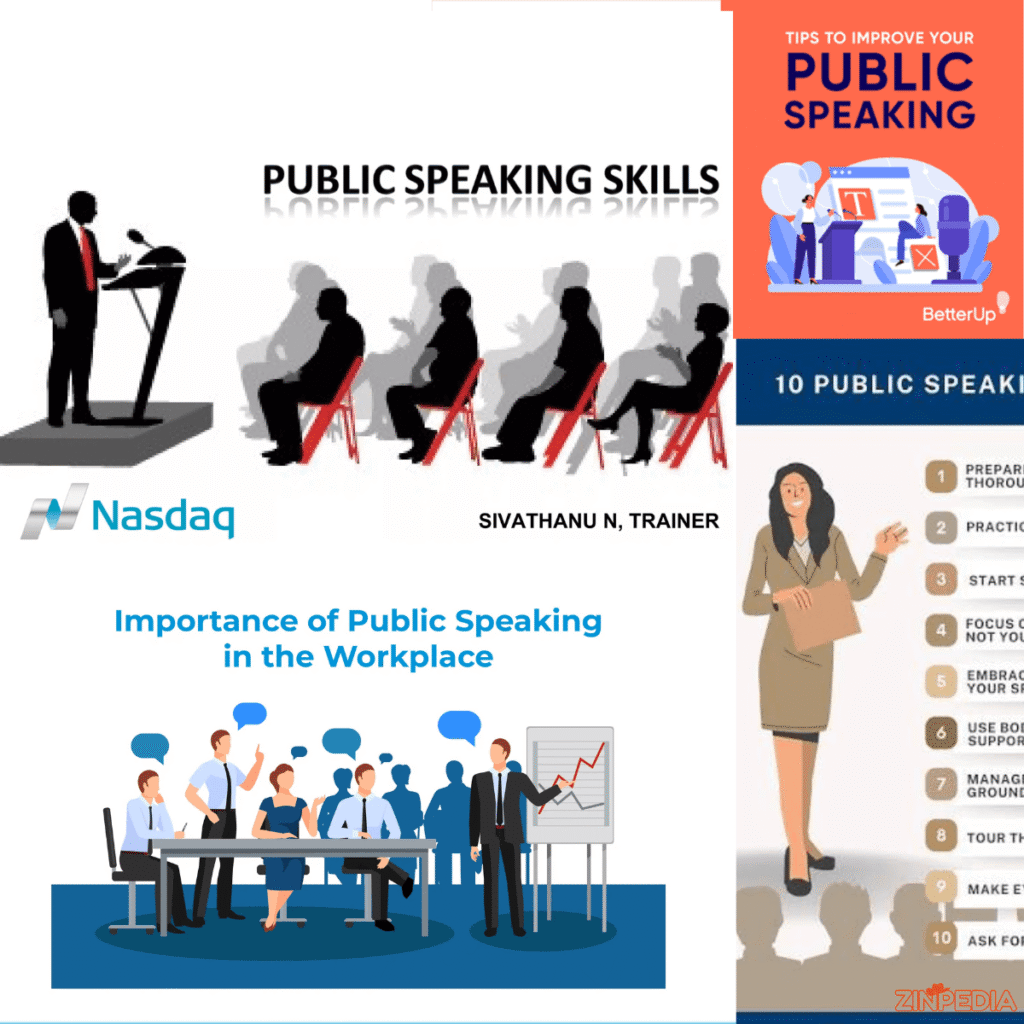
Overcome Fear and Build Speaking Confidence
Fear of public speaking is extremely common. Even skilled speakers sometimes experience nervousness before presenting.
The goal is not to eliminate nervousness. Instead, learn how to manage it and use that energy positively.
Practice in Small Steps
Confidence develops through repeated experience.
Start by practicing:
- Speaking in front of a mirror
- Recording yourself
- Presenting to friends or family
- Joining speaking groups
- Taking small speaking opportunities
Each experience builds comfort and reduces fear.
Use Positive Mental Preparation
Your thoughts influence your performance.
Instead of thinking:
“I might make mistakes.”
Try focusing on:
“I am prepared, and I have something valuable to share.”
Confidence comes from believing that your message matters.
Understand That Mistakes Are Normal
Many beginners believe professional speakers never make mistakes. That is not true.
Experienced speakers may:
- Pause to collect their thoughts
- Correct themselves
- Adjust their wording
The difference is that they recover calmly and continue.
A small mistake rarely damages a presentation. The audience usually remembers the overall message, not every individual word.
Improve Your Voice and Body Language
Communication is not only about the words you say. Your voice, posture, and movements strongly affect how people receive your message.
Speak Clearly and Slowly
Many nervous speakers talk too quickly.
Speaking too fast can:
- Make your message harder to understand
- Reduce confidence
- Prevent the audience from processing information
Practice slowing down and adding natural pauses.
Pauses can make your speech more powerful because they allow important ideas to stand out.
Maintain Good Eye Contact
Eye contact helps create trust and connection.
Instead of looking only at one person or staring at your notes:
- Look around the room
- Connect with different audience members
- Hold eye contact briefly before moving on
This makes your presentation feel like a conversation rather than a performance.
Use Confident Body Language
Your physical presence affects how people perceive your confidence.
Helpful habits include:
- Standing upright
- Keeping your shoulders relaxed
- Using natural hand gestures
- Avoiding unnecessary movements
Your body language should support your message instead of distracting from it.
Learn How to Engage Your Audience
A successful speaker does not simply deliver information. They create an experience for the audience.
One of the biggest public speaking mistakes is focusing only on what you want to say instead of what the audience needs.
Tell Stories
Stories make information easier to understand and remember.
For example, instead of saying:
“Customer service is important.”
You could explain:
“A customer once contacted our team after experiencing a problem. One employee’s quick response completely changed their opinion of the company.”
Stories create emotional connections.
Ask Questions
Questions encourage participation and keep people focused.
You can ask:
- “Have you ever experienced this problem?”
- “What would you do in this situation?”
- “Why does this matter?”
Even when audiences do not answer aloud, questions encourage them to think.
Understand Your Audience
Before speaking, consider:
- Who will listen?
- What do they already know?
- What are their interests?
- What challenges do they face?
A presentation designed for experts will be different from one created for beginners.
Use Visual Aids Effectively
Slides and visual materials can improve presentations when used correctly.
However, many speakers make the mistake of creating slides full of text.
Effective visual aids should:
- Support your message
- Highlight important information
- Make complex ideas easier to understand
Avoid:
- Reading every word from the slides
- Using too many graphics
- Adding unnecessary details
Your audience should focus on you, not spend the entire presentation reading a screen.
Practice and Improve Through Feedback
Practice is one of the most powerful ways to become a better public speaker.
However, simply repeating the same speech is not enough. You need to improve intentionally.
Record Yourself
Watching a recording can reveal:
- Speaking speed
- Body language habits
- Unclear explanations
- Repeated words or phrases
Although it may feel uncomfortable at first, self-review is extremely useful.
Ask for Honest Feedback
Request feedback from people you trust.
Ask:
- Was my message clear?
- Did I speak too quickly?
- Which parts were most interesting?
- What could I improve?
Specific feedback helps you make meaningful progress.
Learn From Great Speakers
Study speakers who communicate effectively.
Pay attention to:
- How do they begin presentations
- How do they explain ideas
- How they use stories
- How they connect with audiences
Do not copy their style completely. Instead, learn techniques that match your personality.
Advanced Public Speaking Tips for Greater Impact
Once you understand the basics, you can improve your presentations with advanced techniques.
Focus on One Main Message
A powerful speech usually has one central idea.
Before presenting, complete this sentence:
“The audience should remember that ______.”
This helps keep your message focused.
Use Strong Openings and Closings
The beginning and end of your speech are especially important.
A strong opening creates interest.
A strong closing creates memory.
End with:
- A clear lesson
- A call to action
- A powerful statement
- A memorable idea
Connect Emotion With Information
Facts provide knowledge, but emotions create impact.
The best speeches combine:
- Logic
- Stories
- Personal connection
- Clear examples
People remember messages that feel meaningful.

Frequently Asked Questions About Public Speaking
What are the most important public speaking tips for beginners?
Beginners should focus on preparation, regular practice, speaking clearly, understanding their audience, and improving through feedback.
How can I stop being nervous before public speaking?
You can reduce nervousness by preparing thoroughly, practicing often, breathing calmly, and focusing on delivering value instead of worrying about mistakes.
Is public speaking a natural talent or a learned skill?
Public speaking is a skill that can be learned. While some people may feel comfortable speaking naturally, anyone can improve through training and practice.
How can I improve my speaking confidence?
Confidence grows through experience. Start with smaller speaking opportunities, practice regularly, and celebrate progress instead of focusing only on mistakes.
How do professional speakers stay confident?
Professional speakers prepare carefully, understand their audience, practice frequently, and know how to recover from unexpected situations.
How often should I practice public speaking?
Regular practice is more effective than occasional long sessions. Even a few minutes of practice each day can improve your communication skills over time.
What makes a speech memorable?
A memorable speech usually combines a clear message, strong storytelling, audience connection, and confident delivery.
Conclusion: Become a More Confident Public Speaker Step by Step
Public speaking is a powerful skill that can transform how you communicate, lead, and connect with others. While speaking in front of an audience may feel challenging at first, improvement comes through preparation, practice, and continuous learning.
The most successful speakers are not people who never feel nervous. They are people who learn how to manage nervousness and focus on sharing a valuable message.
Start with small improvements: organize your ideas clearly, practice your delivery, strengthen your body language, and learn from every speaking opportunity.
With consistent effort, anyone can become a confident and effective public speaker.
Explore More Helpful Articles– Visit Now