
Best Running Shoes Guide: How Brooks Running Shoes Help You Run Better
Running looks simple — just put on your shoes and start moving. But choosing the wrong running shoes can lead to discomfort, poor performance, and even injuries. The right pair of running shoes can completely change your experience by improving comfort, stability, and confidence with every step.
With hundreds of options available, runners often struggle to find the perfect shoe. Should you choose a lightweight model? Do you need extra cushioning? Are premium shoes worth the investment?
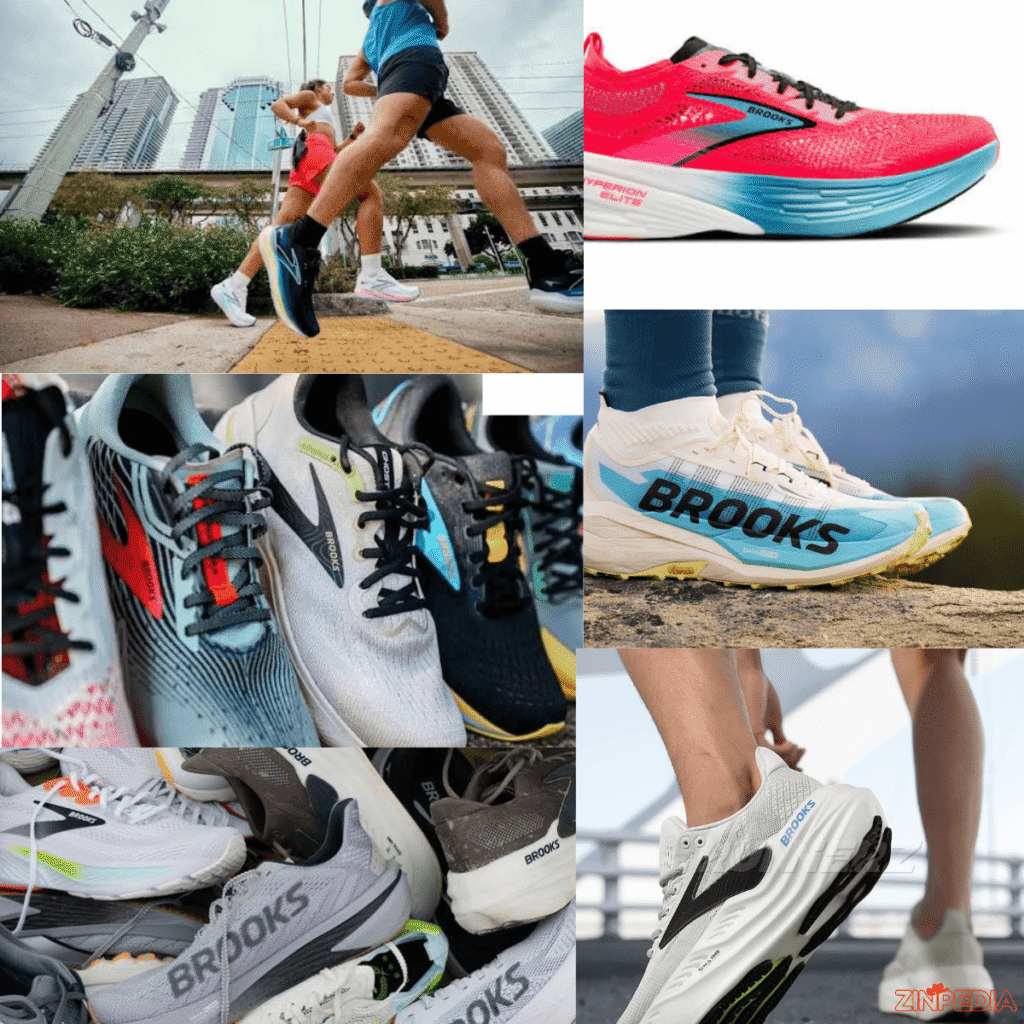
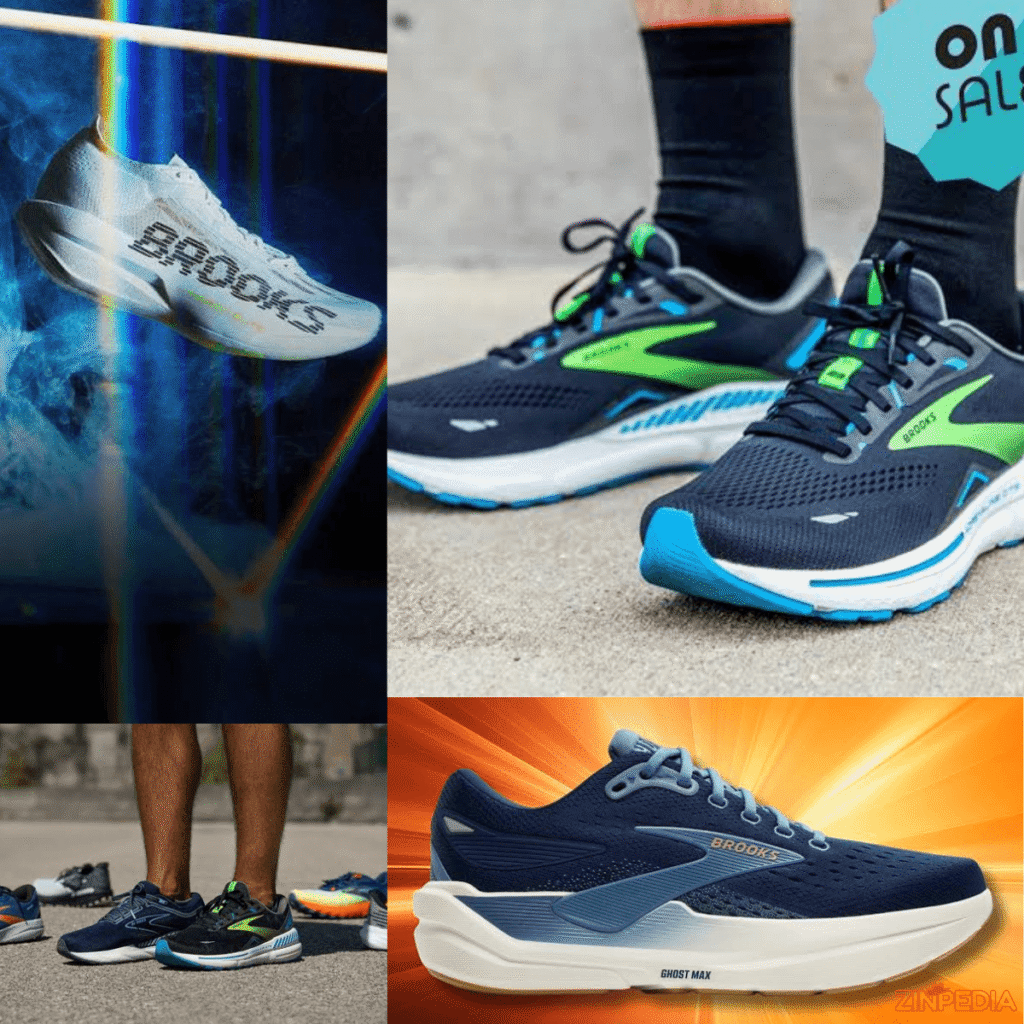
Among the many brands available today, Brooks running shoes have become a popular choice among beginners, professional athletes, and everyday runners because of their focus on comfort, support, and performance.
This complete guide explains everything you need to know about running shoes, why Brooks is trusted by many runners, and how to choose the best pair for your running style.
What Makes a Good Running Shoe?
A good running shoe is not simply about appearance or brand name. The best running shoes are designed to support your feet, absorb impact, and help you move naturally.
Every runner has different needs depending on:
- Foot shape
- Running distance
- Body weight
- Running surface
- Running style
- Personal comfort preferences
A shoe that works perfectly for one runner may not feel comfortable for another.
The most important features of quality running shoes include:
Cushioning
Cushioning helps reduce the impact created when your foot hits the ground.
Good cushioning provides:
- Better comfort during long runs
- Reduced pressure on joints
- Smoother movement
- Improved running experience
However, more cushioning does not always mean better. Some runners prefer a softer feel, while others prefer a more responsive and lightweight shoe.
Support and Stability
Support helps keep your foot properly aligned while running.
A supportive running shoe can help runners who experience:
- Foot fatigue
- Overpronation
- Lack of stability
- Discomfort during longer distances
Modern running shoes use advanced designs to provide support without making the shoe heavy.
Breathability
Running generates heat, especially during longer workouts.
Breathable materials help by:
- Improving airflow
- Keeping feet cooler
- Reducing sweat buildup
- Increasing overall comfort
A comfortable upper material can make a big difference during daily runs.
Why Brooks Running Shoes Are Popular Among Runners
Brooks Running has built a strong reputation in the running community by focusing specifically on running footwear.
Unlike some brands that produce many types of sports products, Brooks has dedicated much of its innovation toward creating shoes designed specifically for runners.
Many runners choose Brooks running shoes because of:
1. Comfortable Cushioning Technology
Brooks shoes are known for their comfortable cushioning systems that provide a balanced feeling between softness and responsiveness.
This makes them suitable for:
- Daily training
- Long-distance running
- Walking
- Beginners starting their fitness journey
2. Runner-Focused Design
Brooks designs shoes based on how runners move.
Important design considerations include:
- Heel-to-toe transition
- Foot movement
- Impact protection
- Stability requirements
This runner-first approach has helped Brooks develop a loyal customer base.
3. Wide Range of Options
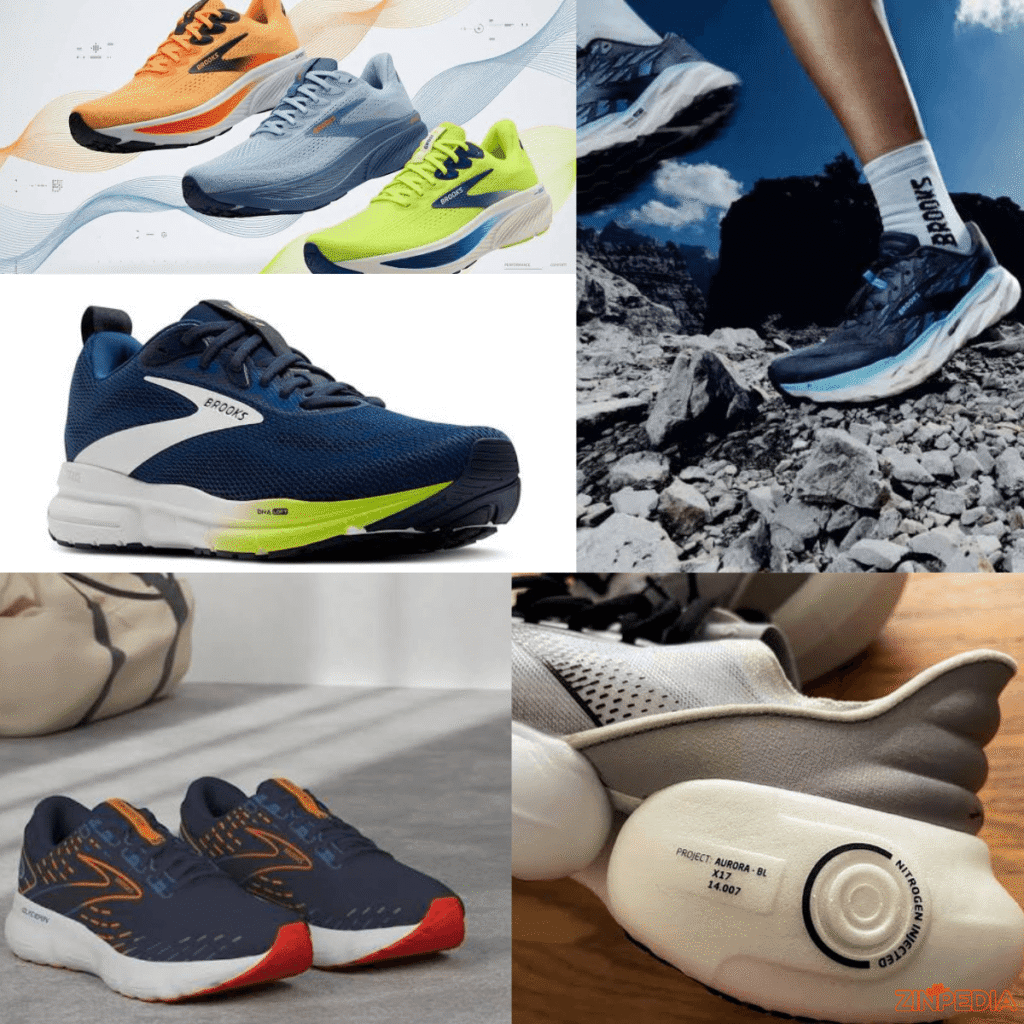
Different runners have different goals. Brooks offers shoes designed for various needs, including:
- Everyday running
- Long-distance training
- Speed workouts
- Stability support
- Trail running
This allows beginners and experienced runners to find suitable options.
Best Types of Running Shoes Based on Your Running Goals
Choosing running shoes becomes easier when you understand your purpose.
Daily Training Running Shoes
These are designed for regular workouts.
Ideal for:
- Beginners
- Regular fitness runners
- People running several times per week
Features:
- Comfortable cushioning
- Durable materials
- Balanced performance
Daily trainers are usually the best first running shoe for most people.
Long-Distance Running Shoes
Long-distance runners need shoes that provide comfort over many miles.
Important features:
- Maximum cushioning
- Strong durability
- Good energy return
- Comfortable fit
A good long-distance shoe helps reduce fatigue during extended runs.
Speed Running Shoes
Speed-focused runners often prefer lightweight shoes.
They usually offer:
- Lower weight
- Responsive cushioning
- Faster transitions
These shoes are popular for:
- Racing
- Interval training
- Tempo runs
Trail Running Shoes
Road running shoes are not always suitable for uneven surfaces.
Trail shoes provide:
- Better grip
- More protection
- Improved stability
They are designed for:
- Dirt paths
- Mountains
- Forest trails
- Outdoor environments
How to Choose the Right Running Shoes
Buying running shoes requires more than selecting the most popular model.
Follow these steps:
Understand Your Foot Type
Everyone has different feet.
Consider:
- Foot width
- Arch height
- Running movement
- Comfort preference
Many specialty running stores offer gait analysis to help runners understand their needs.
Consider Your Running Distance
Your weekly mileage matters.
For example:
- Short runs may require lightweight shoes
- Long runs need more cushioning
- Daily training requires durability
Think about how you will actually use the shoes.
Choose Comfort Over Appearance
A stylish shoe is not always the best shoe.
The right running shoe should:
- Feel comfortable immediately
- Have enough toe space
- Hold your heel securely
- Avoid pressure points
Comfort should always come before design.
Test Shoes Before Buying
If possible:
- Walk around in the shoes
- Try running movements
- Compare different models
- Check the fit with your running socks
Small differences can greatly affect comfort.
Running Point: Finding the Right Place to Buy Running Shoes
Many runners search for a running point when looking for reliable places to purchase quality footwear and running equipment.
A good running shoe retailer should offer:
- Authentic products
- Multiple brands
- Expert recommendations
- Easy returns
- Customer reviews
When buying shoes online, always check:
- Size guide
- Return policy
- Product authenticity
- User feedback
Purchasing from trusted sellers reduces the risk of receiving incorrect sizes or low-quality products.
Common Mistakes People Make When Buying Running Shoes
Many beginners make mistakes that affect comfort and performance.
Choosing Based Only on Price
The cheapest option may not provide the support your feet need.
A quality running shoe is an investment in:
- Comfort
- Performance
- Injury prevention
Buying the Wrong Size
Your running shoe should not feel tight.
A good fit usually requires:
- Space around toes
- Secure heel fit
- Comfortable midfoot support
Feet can also expand slightly during longer runs, so proper sizing matters.
Ignoring Replacement Time
Running shoes lose cushioning and support over time.
Most runners replace shoes based on:
- Mileage
- Comfort level
- Visible wear
- Reduced performance
A worn-out shoe may no longer provide proper protection.
Tips to Get More Performance From Your Running Shoes
To extend shoe life and improve comfort:
Helpful Running Shoe Tips:
- Rotate between two pairs if you run frequently
- Avoid using running shoes for unnecessary activities
- Keep shoes clean and dry
- Wear proper running socks
- Replace worn shoes before discomfort appears
Taking care of your shoes helps maintain their performance.
Brooks Running Shoes vs Other Running Shoe Brands
The running shoe market includes many excellent brands. The best choice depends on your personal needs.
Brooks is often preferred by runners who want:
- Comfort-focused designs
- Reliable cushioning
- Stability options
- Running-specific technology
Other brands may focus more on:
- Maximum speed
- Minimal weight
- Fashion-focused designs
- Racing technology
The right shoe is the one that matches your body, running style, and goals.
Frequently Asked Questions (FAQs)
1. Are Brooks running shoes good for beginners?
Yes, Brooks running shoes are popular among beginners because many models provide comfortable cushioning, support, and a smooth running experience.
2. How long do running shoes usually last?
Most running shoes last several hundred miles depending on running style, body weight, shoe quality, and running surface.
3. Are expensive running shoes better?
Not always. The best running shoe is the one that fits your feet correctly and supports your running needs.
4. What are the best running shoes for daily use?
Daily trainers with comfortable cushioning and durable construction are usually the best choice for regular runners.
5. Should running shoes feel tight?
No. Running shoes should provide a secure fit while allowing natural toe movement.
6. Are Brooks shoes good for long-distance running?
Many runners choose Brooks running shoes for long-distance training because of their comfort and cushioning.
7. Where should I buy running shoes?
Buy from trusted retailers that provide authentic products, proper sizing information, and good return policies.
Conclusion: Choose Running Shoes That Match Your Journey
Finding the right running shoes is about understanding your own needs rather than simply choosing the most popular model.
Whether you are starting your first running journey, training for a marathon, or improving your daily fitness routine, the right shoes can make every run more comfortable and enjoyable.
Brooks running shoes have become a trusted option for many runners because they combine comfort, support, and runner-focused design. However, the best shoe is always the one that fits your feet, matches your running style, and helps you achieve your goals.
Before buying your next pair, consider your distance, comfort requirements, foot type, and running habits. A good pair of running shoes is not just equipment — it is a partner that supports every step of your journey.
Explore More Helpful Articles– Visit Now