

Introduction: Stop Ignoring That Running Toilet Sound
A quiet dripping or continuous water sound coming from your toilet may not seem like a serious problem, but it is often your bathroom’s way of telling you something is wrong.
A toilet that keeps running after flushing is more than an annoying noise. It can waste water, increase your monthly expenses, and indicate that an internal component needs attention.
Many homeowners immediately think they need a plumber when they hear a running toilet. However, most common toilet problems are caused by simple issues that can be repaired with basic tools and a little patience.
The secret is understanding what is happening inside the toilet tank.
A toilet is made of several small parts working together. When one part stops working correctly, the entire system becomes inefficient.
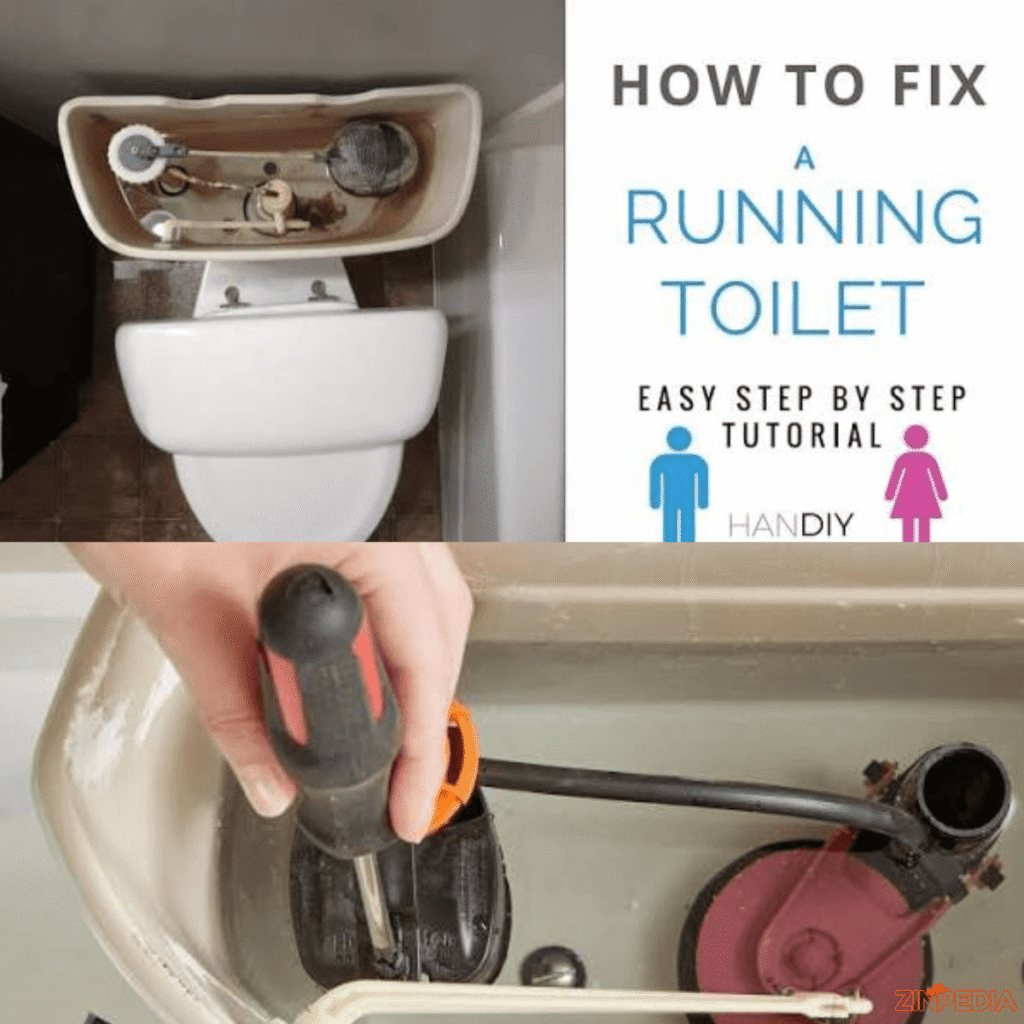
In this guide, you will learn how to fix a running toilet, discover the reasons behind the problem, and understand when a simple repair is enough or when professional help is needed.
Why Does a Toilet Keep Running?
Before repairing a toilet, it is important to understand why it continues making noise.
A toilet runs when water is either:
- Continuously entering the tank
- Slowly leaking from the tank into the bowl
- Unable to recognize that the tank is already full
The most common causes include:
- A leaking flapper
- Incorrect float adjustment
- A damaged fill valve
- A loose flush handle chain
- Mineral buildup inside the tank parts
Each problem has a different solution, so proper diagnosis is the first step.
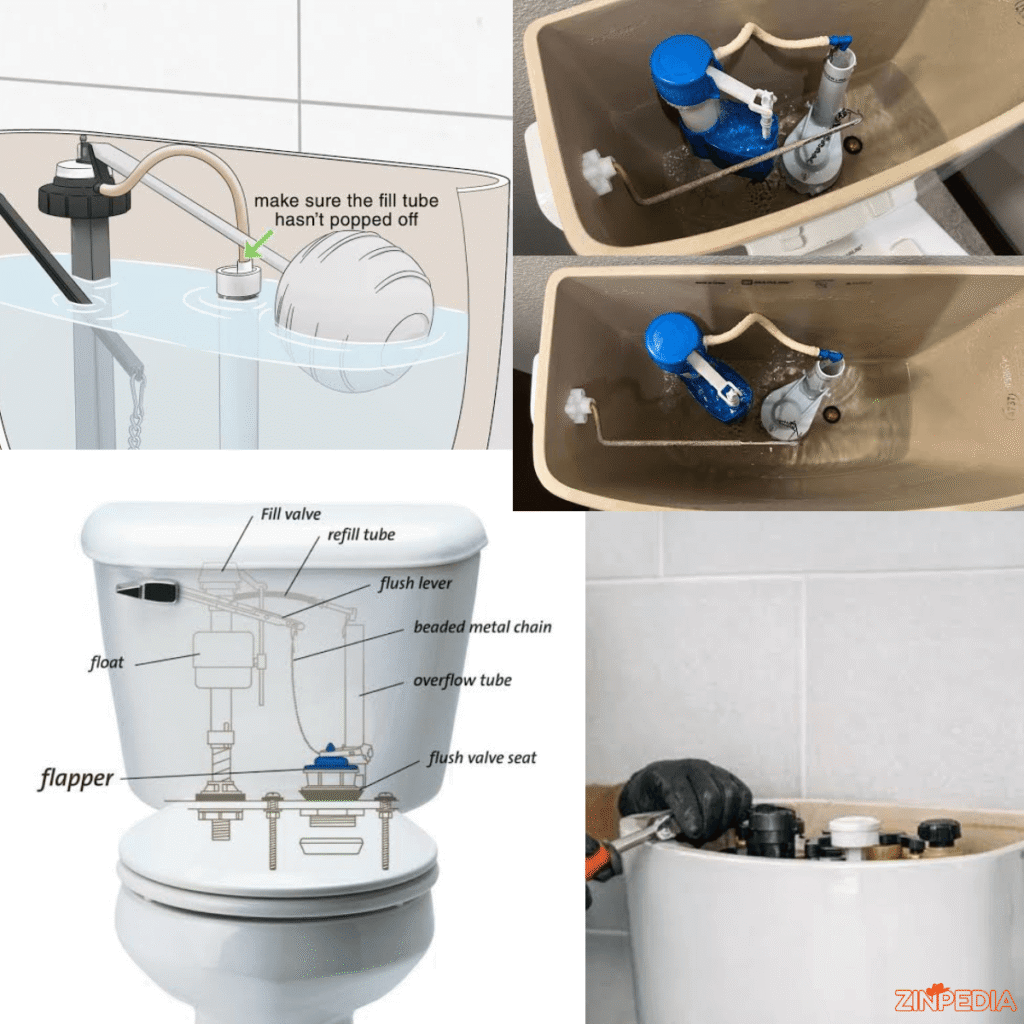
Understanding the Parts Inside Your Toilet Tank
You do not need to become a plumbing expert to repair a running toilet, but knowing the basic parts makes the process much easier.
The Flapper
The flapper is a rubber seal located at the bottom of the tank.
Its job is simple:
- Opens when you flush
- Allows water into the bowl
- Closes afterward to hold water inside the tank
When the flapper becomes worn, water slowly escapes.
The Fill Valve
The fill valve controls the water entering the tank.
After flushing, it fills the tank and stops when the correct level is reached.
A faulty fill valve may continue running even after the tank is full.
The Float
The float controls the water level.
When the water rises, the float rises too and signals the fill valve to stop.
If the float is incorrectly adjusted, the toilet may keep filling.
The Flush Handle and Chain
The handle connects to a chain that lifts the flapper.
A chain that is too loose or too tight can prevent proper sealing.
Step-by-Step Guide to Fix a Running Toilet
Now that you understand the basic parts, it is time to troubleshoot the problem.
Step 1: Check If the Flapper Is Causing the Leak
The flapper is usually the first thing you should inspect because it is the most common cause.
Remove the toilet tank lid and observe what happens after flushing.
Ask yourself:
- Does the flapper close completely?
- Is water still moving after the tank fills?
- Does pressing the flapper stop the sound?
If pressing the flapper downward stops the running noise, the seal is likely damaged.
Replacing a Toilet Flapper
To replace it:
- Shut off the water supply.
- Flush the toilet.
- Remove the old flapper.
- Disconnect the attached chain.
- Install the new flapper.
- Adjust the chain.
- Turn the water supply back on.
A new flapper can often solve the problem immediately.
Step 2: Adjust the Water Level Inside the Tank
If the flapper is working correctly, the next thing to check is the water level.
A toilet tank should not fill above the overflow tube.
When water reaches the overflow tube, it continuously drains into the bowl.
How to Adjust the Float
The adjustment method depends on your toilet model.
For older toilets:
- Adjust the float arm
- Lower the position slightly
For newer toilets:
- Use the adjustment clip or screw
- Reduce the float height
After adjusting, flush and check whether the water stops correctly.
Step 3: Inspect the Fill Valve
If the toilet still runs, the fill valve may be the problem.
A damaged fill valve may:
- Allow water to flow constantly
- Make unusual sounds
- Fill the tank too slowly
- Fail to shut off
Sometimes cleaning the valve helps, especially if mineral buildup is blocking movement.
If cleaning does not work, replacement may be necessary.
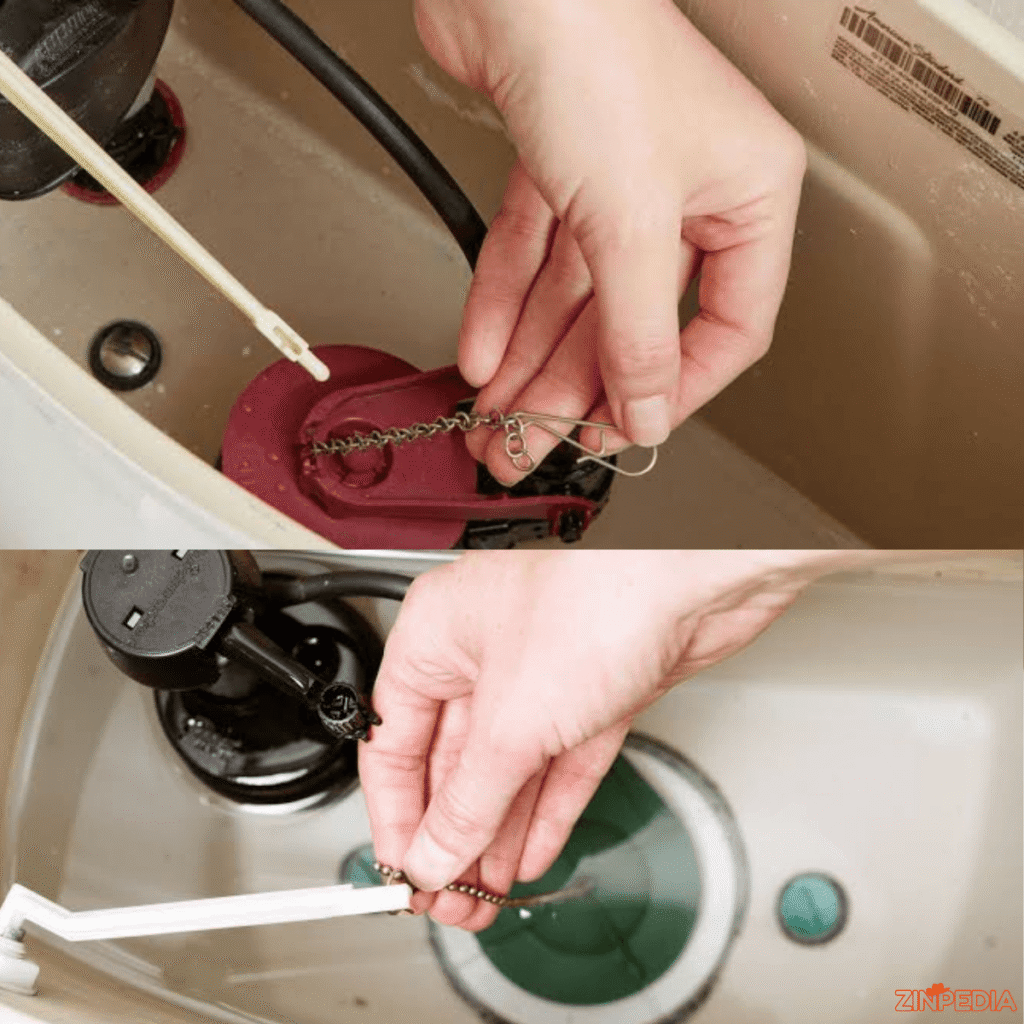
Step 4: Fix the Toilet Chain Problem
A small chain issue can create a surprisingly big problem.
The chain should allow the flapper to close fully after every flush.
Common chain problems:
Chain Too Short
The flapper stays slightly open, allowing water to leak.
Chain Too Long
The handle may not lift the flapper properly.
Adjust the chain so there is a small amount of movement without excessive slack.
Step 5: Test for a Hidden Leak
Some toilet leaks are difficult to notice.
A simple home test can confirm whether water is escaping.
The Food Coloring Test
Follow these steps:
- Put food coloring into the toilet tank.
- Wait around 20 minutes.
- Do not flush.
- Check the bowl.
If colored water appears in the bowl, your toilet leaks.
This usually means the flapper needs repair or replacement.
Tools You Need for a Running Toilet Repair
Most toilet repairs require only basic items.
Useful tools include:
- Adjustable wrench
- Screwdriver
- Replacement flapper
- Replacement fill valve
- Bucket
- Sponge
- Cleaning cloth
You can solve many toilet issues without expensive equipment.
Common Mistakes to Avoid During Toilet Repair
Fixing a running toilet is simple, but avoiding mistakes saves time.
Changing Parts Without Finding the Cause
Do not replace everything immediately.
Start by checking the most common issues first.
Ignoring Water Waste
A running toilet may waste water every hour.
Small repairs can prevent unnecessary costs.
Incorrect Installation
When replacing parts:
- Follow instructions carefully
- Ensure connections are secure
- Test the toilet several times
When You Should Contact a Professional Plumber
Some situations require expert assistance.
Call a plumber if:
- The toilet leaks from the base
- The tank has visible cracks
- Replacement parts do not solve the issue
- The plumbing system has other problems
Professional repairs can prevent larger damage.
How to Prevent Future Toilet Problems
Regular care can extend the life of your toilet.
Follow these maintenance tips:
- Check tank parts occasionally
- Replace old flappers
- Clean mineral buildup
- Avoid forcing the handle
- Fix leaks immediately
- Keep spare replacement parts available
A few minutes of maintenance can prevent bigger problems.
Frequently Asked Questions (FAQs)
After flushing, why does my toilet keep running?
Toilets most commonly run because the flapper doesn’t seal properly, or the fill valve is bad, or the water level in the tank is too high.
How Much Does It Cost To Put A Running Toilet In?
Most common repairs are inexpensive. A flapper or float adjustment is rarely an expensive fix.
Is a Running Toilet Easy to fix for someone with no experience?
Yes. With some basic tools and simple instructions, most homeowners can repair common running toilet issues.
What are the signs of a bad toilet flapper?
One of the most frequent faults here is a leaking flapper: hence, constant movement of water & it can be confirmed through a food coloring test.
A common question is how long does a toilet repair take?
Some solutions may only take minutes to perform, while others will require more time for replacement.
So, is it time to repair or replace?
Sometimes the toilet is so structurally compromised that replacement makes more sense. Repair is usually sufficient for most running maladies.
Conclusion: A Running Toilet Does Not Have to Be a Major Problem
One of the most common and simplest plumbing problems that you are bound to run into is a running toilet.
Sometimes, by checking the flapper, adjusting the water level, inspecting the fill valve, and testing for leaks, you can fix issues with your toilet on your own.
A running toilet is something that you can ignore, but doing so only prolongs the inevitable! It is prudent to carry out a few checks and repairs, as well as save water and bills, to ensure your lavatory operates properly.
When flushing next time, your toilet won’t stop running. Refer to this guide and correctly diagnose and repair the problem.
Explore More Helpful Articles– Visit Now