

🧩 A Game That Never Stayed in One Direction
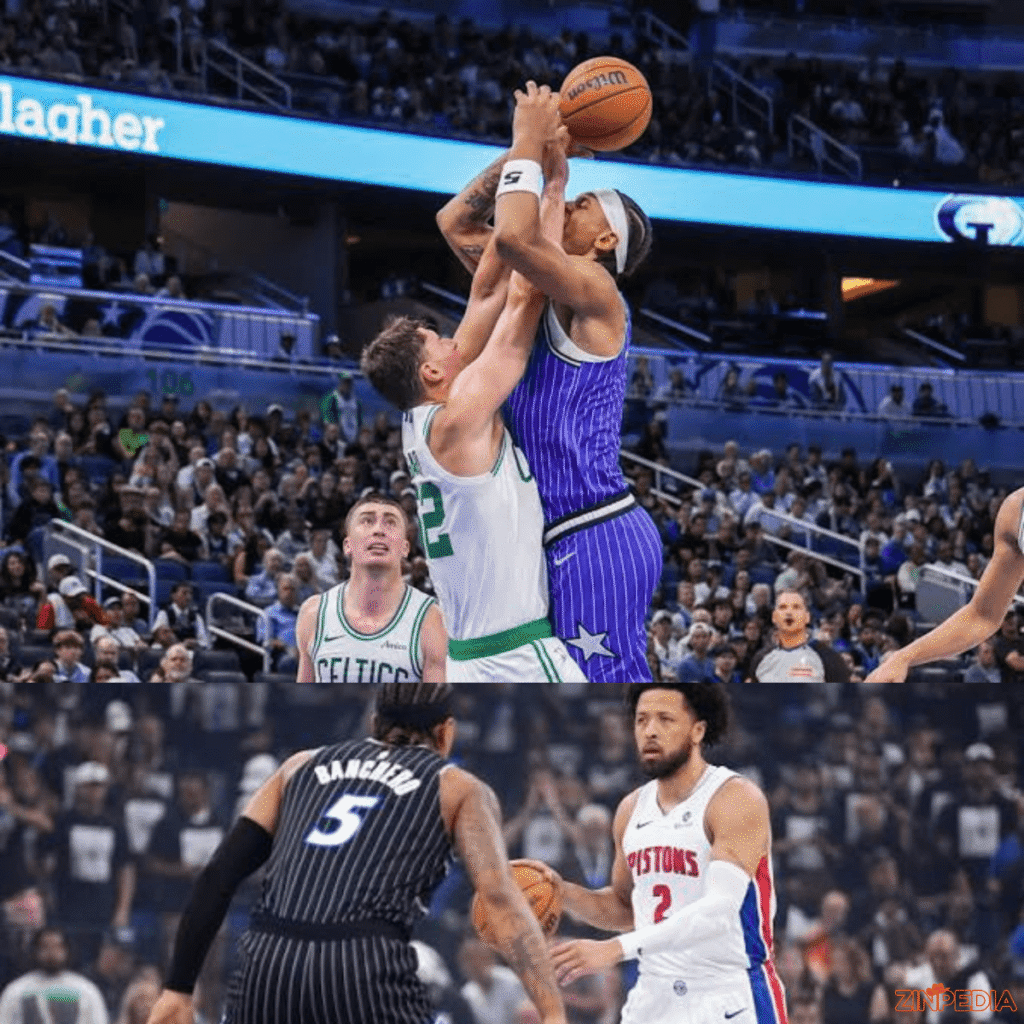
This wasn’t a match where one team stayed in control from start to finish. Boston and Orlando kept trading momentum in short bursts, almost like neither side wanted to fully take control too early.
Orlando looked more comfortable when the game was fast. Boston looked better when things slowed down and decisions became more structured. That contrast shaped everything.
Instead of one dominant story, this game had multiple small turning points.
🔵 Boston’s Way of Winning Without Forcing the Game
Boston didn’t rush anything. Even when shots were not falling early, they didn’t panic or change their approach.
Their offense slowly started to look more organized as the game progressed. Ball movement improved, spacing opened up, and players began taking cleaner shots instead of forced attempts.
What stood out wasn’t just scoring — it was patience. Boston played like they trusted their system more than individual moments.
Defensively, they also adjusted well in the middle stretch of the game, limiting easy drives and forcing Orlando into longer possessions.
🟢 Orlando’s Energy That Didn’t Fully Convert Into Control
Orlando played with more urgency, especially early on. Their offense looked faster, more direct, and more aggressive toward the basket.
Paolo Banchero was at the center of almost everything they did offensively. Whenever Orlando needed a bucket or a stable possession, the ball found its way to him.
Jalen Suggs added quick scoring runs that kept pressure on Boston, especially during transition moments.
But Orlando’s issue wasn’t effort — it was control. When the game slowed down, their rhythm didn’t stay the same.
🔄 The Moment the Game Started Shifting
There wasn’t a single play that changed everything. Instead, it was a gradual shift.
Boston started getting better shot selection while Orlando started taking slightly tougher ones. That small difference built up over time.
Turnovers also started affecting Orlando’s flow. Not dramatically, but enough to break rhythm at key points.
By the time the game entered its final phase, Boston looked more settled in possession-based basketball.
🧠 What the Game Really Showed
This matchup wasn’t about stars carrying teams alone. It was more about how each possession was handled.
Boston looked like a team that knows exactly what shot they want. Orlando looked like a team that creates shots through momentum.
Both styles worked — but one of them held up better under pressure.
📊 Player Influence (Not Just Numbers)
Instead of focusing only on stats, the impact came from roles:
- Banchero: main decision-maker and inside scorer
- Suggs: pace changer and energy scorer
- Wagner: support scoring and spacing role
- Tatum/Brown (Boston core): balanced offensive pressure
- White/Porziņģis: structure, spacing, and defensive control
Each player affected the game in different moments rather than all at once.
⚖️ Why Boston Ended Up Ahead
The difference was not talent. It was how possessions were finished.
Boston ended more plays with control. Orlando ended more plays with speed.
When the game tightened, control became more valuable than pace.
That’s where Boston created separation in impact, even if the scoreboard stayed close.
🧾 Final Reading of the Match
If you remove names and just watch the flow, this game becomes simple:
One team played fast and emotional.
The other played slower and more calculated.
Both approaches created chances. But only one stayed stable when pressure increased.
That stability is what decided the game.

❓ FAQs boston celtics vs orlando magic match player stats
Q1: Who influenced the game most?
Banchero and Boston’s core rotation players had the biggest impact moments.
Q2: What was the key difference?
Control in possession and decision-making under pressure.
Q3: Why did Orlando struggle?
They lost rhythm in slower half-court situations.
Q4: Was it a one-sided game?
No, momentum kept shifting throughout.
Q5: What decided the outcome?
Late-game control and shot selection quality.
🧾 Conclusion boston celtics vs orlando magic match player stats
This matchup between Boston Celtics and Orlando Magic showed how basketball is often decided by control rather than constant scoring.
Orlando brought more pace and attacking energy, especially in the early stages, and their key players kept them competitive throughout the game. However, Boston handled pressure situations better and stayed more consistent with their decision-making.
As the game moved forward, small differences in shot selection, possession control, and half-court execution became more important than individual scoring bursts. Boston managed those moments slightly better, which shaped the final direction of the game.
Overall, it was a competitive contest that highlighted two different playing styles — one built on speed and aggression, and the other on structure and patience.
Explore More Helpful Articles– Visit Now