

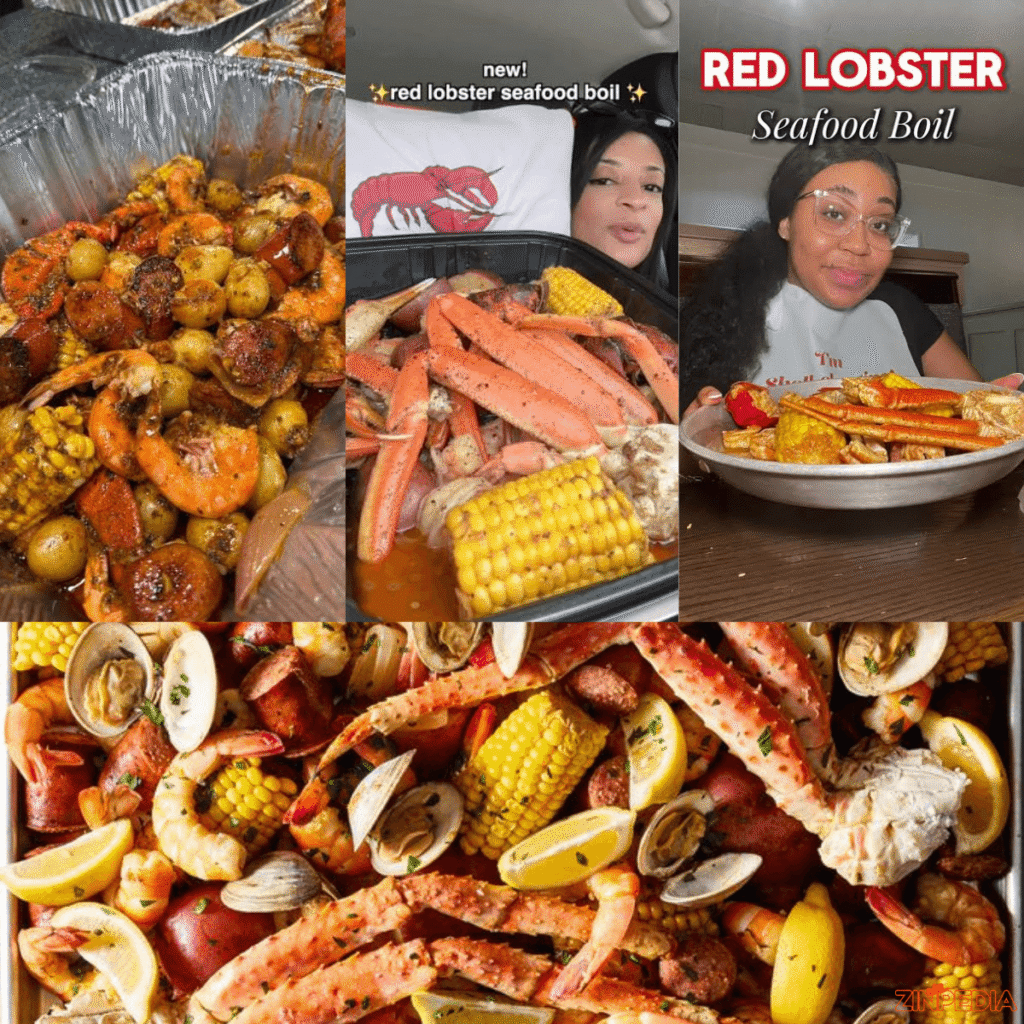
A great seafood boil is more than a plate of shellfish. It is a complete shared meal filled with shrimp, crab, sausage, corn, potatoes, bold seasoning, and buttery sauce.
The idea is simple: cook the ingredients in one large pot, season them generously, and serve everything together. The challenge is getting the timing right. Potatoes need much longer to cook than shrimp, while crab, lobster, and mussels each require slightly different handling.
Add every ingredient at the same time and the seafood may become rubbery before the potatoes are tender. Use too little seasoning and the whole meal can taste flat. Use too much salt without tasting the cooking liquid and the final boil can become difficult to enjoy.
This guide explains how to make a seafood boil at home, how to select the right ingredients, how to build a garlic-butter sauce, and how to find a good seafood boil near you. It also explains the current Red Lobster seafood boil menu so you can compare a restaurant version with a homemade feast.
1. What Is a Seafood Boil?
A seafood boil is a one-pot meal made by cooking seafood, vegetables, and seasonings in a large quantity of hot liquid.
Common ingredients include:
- Shrimp
- Crab legs
- Crawfish
- Lobster tails
- Mussels or clams
- Smoked sausage
- Small potatoes
- Corn on the cob
- Onions
- Garlic
- Lemons
- Cajun or seafood seasoning
Some boils are served directly from the cooking pot with only a little melted butter. Others are drained and coated in a thick garlic-butter sauce.
Louisiana-style crawfish boils are strongly connected with the state’s food culture and often place crawfish at the center of the meal. Shrimp and crab may also be used.
Modern seafood-boil restaurants may serve the food inside a bag that is shaken with butter, garlic, Cajun seasoning, or another sauce. This style creates an intense coating on the seafood rather than relying only on the seasoned cooking liquid.
Seafood boil vs Lowcountry boil
The terms are sometimes used as though they mean the same thing, but there can be differences.
A Lowcountry boil commonly focuses on shrimp, smoked sausage, corn and potatoes. A broader seafood boil may also include crab, crawfish, lobster, mussels, clams and several sauce choices.
There is no single recipe that every family or restaurant follows. The ingredients often depend on the region, season, seafood supply and budget.
What makes a seafood boil taste good?
A successful boil needs four elements:
- Fresh or properly frozen seafood
- A well-seasoned cooking liquid
- Correct cooking order
- A balanced finishing sauce
The broth should taste slightly stronger than you expect because the shells, potatoes, and corn absorb only part of the seasoning.
The ingredients should also be added according to cooking time. Dense potatoes go in first, while quick-cooking shrimp go in near the end.
2. Choosing the Best Seafood-Boil Ingredients
The ideal ingredient list depends on how many people you are serving and how much you want to spend.
For a group of six, aim for approximately 4 to 6 pounds of mixed seafood when the boil is the main meal. Use less seafood when you are including plenty of sausage, potatoes, corn, bread, or side dishes.
Shrimp
Large shell-on shrimp are one of the easiest seafood-boil ingredients.
The shells help protect the shrimp during cooking and can hold more sauce. Deveining the shrimp before cooking makes them easier to eat, although you can leave the shells and tails attached.
Look for shrimp that:
- Feel firm
- Have no strong ammonia smell
- Are stored properly on ice or frozen
- Have intact packaging
- Do not show signs of repeated thawing
The FDA advises avoiding torn frozen-seafood packaging and packages with heavy frost or ice crystals, which can indicate long storage or thawing and refreezing.
Crab legs
Snow crab is popular because it is easier to portion and is usually less expensive than king crab.
Other choices include:
- Bairdi crab
- Dungeness crab
- Blue crab
- King crab
Most frozen crab legs sold at supermarkets have already been cooked. They usually need reheating rather than long boiling. Check the label so you know whether the product is raw or precooked.
Lobster tails
Lobster makes a seafood boil feel more luxurious.
Small tails are easier to fit into the pot and cook more evenly than very large ones. Splitting the top of the shell can help the meat cook and absorb seasoning, but avoid cutting the meat into small pieces because it may become dry.
Crawfish
Crawfish are strongly associated with Louisiana boils and are usually served whole.
When live crawfish are unavailable, frozen cooked crawfish may be used, but they should be heated gently to avoid making the meat tough.
Mussels and clams
Mussels and clams add variety and release flavorful liquid into the pot.
Before cooking:
- Discard cracked shells.
- Remove dirt from the shells.
- Keep them cold.
- Do not soak them in fresh water for an extended period.
- Throw away any that remain closed after cooking.
FoodSafety.gov recommends cooking clams, oysters, and mussels until their shells open.
Sausage
Smoked sausage adds richness and a savory flavor.
Good options include:
- Andouille sausage
- Cajun sausage
- Kielbasa
- Beef smoked sausage
- Turkey sausage
Check whether the sausage is already fully cooked. Most smoked sausage only needs enough time to heat through and release flavor into the broth.
Potatoes and corn
Use small red or yellow potatoes because they hold their shape better than large floury potatoes.
Cut large potatoes into equal pieces so they finish cooking together.
Fresh corn is ideal, but frozen corn can work. Cut each cob into two or three smaller sections before adding it to the pot.
Seasonings and aromatics
A strong seasoning base may include:
- Seafood-boil seasoning
- Cajun seasoning
- Old Bay-style seasoning
- Garlic
- Onion
- Bay leaves
- Lemon
- Black pepper
- Cayenne pepper
- Paprika
- Hot sauce
Many packaged seasoning blends already contain a large amount of salt. Taste the cooking liquid before adding extra salt.
3. Easy Seafood Boil Recipe for Six People
This recipe produces a balanced boil with shrimp, crab, sausage, potatoes, and corn. You can remove or replace ingredients without changing the basic method.
Preparation time
20 minutes
Cooking time
30 to 40 minutes
Servings
Approximately 6 people
Seafood and main ingredients
- 2 pounds large shell-on shrimp, cleaned and deveined
- 2 pounds precooked snow crab legs
- 1 pound smoked sausage, cut into thick slices
- 2 pounds small red potatoes
- 6 ears of corn, each cut into 2 or 3 pieces
- 2 large onions, quartered
- 2 lemons, halved
- 1 whole garlic bulb, cut across the middle
Seasoning liquid
- Enough water to fill a large stockpot halfway
- ½ to ¾ cup seafood-boil seasoning
- 2 tablespoons Cajun seasoning
- 3 bay leaves
- 1 tablespoon black pepper
- 1 teaspoon cayenne pepper, optional
- 2 tablespoons hot sauce, optional
Garlic-butter sauce
- 1 cup unsalted butter
- 8 garlic cloves, finely chopped
- 2 tablespoons Cajun seasoning
- 1 teaspoon smoked paprika
- 1 teaspoon lemon pepper
- 1 tablespoon lemon juice
- 1 to 2 cups reserved cooking liquid
- Hot sauce to taste
Step 1: Prepare the ingredients
Rinse the potatoes and cut any large ones in half.
Cut the sausage and corn. Clean the shrimp and keep them refrigerated until needed. Separate the crab-leg clusters into manageable portions.
Keep raw seafood away from cooked food, vegetables that will be served raw, and clean utensils. The FDA recommends washing hands for at least 20 seconds after handling raw seafood and cleaning boards, dishes, and counters with hot, soapy water before reusing them.
Step 2: Build the seasoned liquid
Fill a large stockpot approximately halfway with water.
Add:
- Seafood-boil seasoning
- Cajun seasoning
- Bay leaves
- Pepper
- Onions
- Garlic bulb
- Lemon halves
- Hot sauce
Bring the liquid to a strong boil.
Taste a cooled spoonful carefully. It should taste bold, spicy, and aromatic. Add more seasoning gradually rather than pouring in a large amount at once.
Step 3: Cook the potatoes
Add the potatoes first because they need the most time.
Boil them for approximately 10 to 12 minutes before adding the other ingredients.
They should begin softening but should not be completely tender yet.
Step 4: Add the sausage and corn
Add the sausage and corn.
Continue cooking for approximately 5 minutes. The sausage will heat through, while the corn will begin absorbing the seasoned broth.
Step 5: Add the crab legs
Add the precooked crab legs and cook for approximately 4 to 5 minutes.
The goal is to heat them fully without drying out the meat. Raw crab requires different handling, so follow the supplier’s preparation directions when using it.
Step 6: Add the shrimp last
Add the shrimp and cook for approximately 2 to 3 minutes, depending on size.
Remove the pot from the heat as soon as the shrimp become firm and opaque. Shrimp can overcook quickly, especially because they continue cooking in the hot liquid after the burner is turned off.
Official food-safety guidance says shrimp, lobster, crab and scallop meat should become pearly or white and opaque. Most seafood should reach 145°F when temperature measurement is practical.
Step 7: Reserve liquid and drain
Before draining the pot, save approximately 2 cups of the cooking liquid.
Drain the seafood, sausage, and vegetables carefully. Allow excess water to escape so the finishing sauce does not become thin.
Step 8: Make the garlic-butter sauce
Melt the butter in a separate saucepan over medium-low heat.
Add the chopped garlic and cook gently for approximately 1 minute. Do not allow it to burn.
Stir in:
- Cajun seasoning
- Smoked paprika
- Lemon pepper
- Lemon juice
- Hot sauce
Add reserved cooking liquid a little at a time until the sauce reaches the desired consistency.
Step 9: Coat and serve
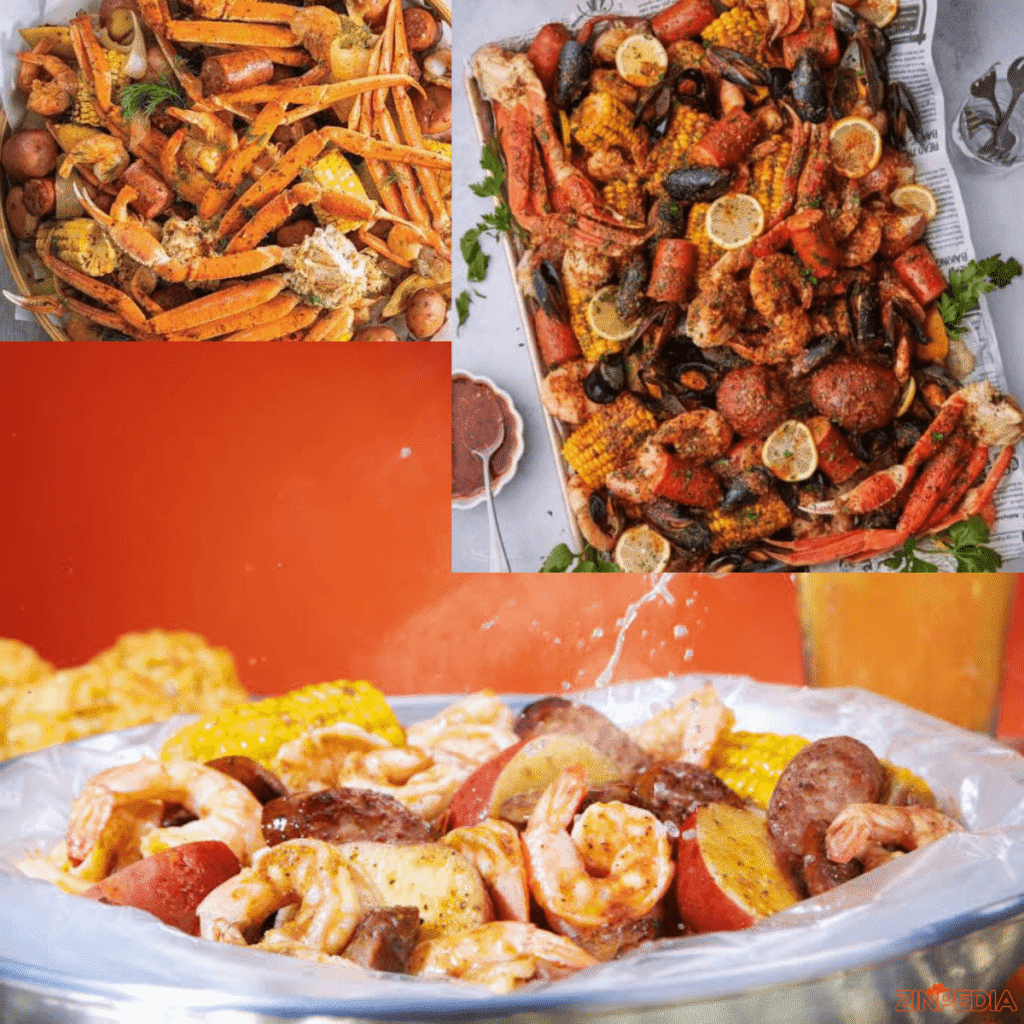
Place the drained seafood mixture in a large serving tray, clean food-safe bag, or deep bowl.
Pour the warm garlic-butter sauce over it and toss gently until everything is coated.
Serve immediately with:
- Lemon wedges
- Extra sauce
- Crusty bread
- Melted butter
- Hot sauce
- Seafood crackers
- Small forks
- Plenty of napkins
4. Seafood-Boil Sauces and Flavor Variations
The basic recipe can be changed without changing the cooking method.
Cajun garlic butter
For a classic spicy sauce, use:
- Butter
- Garlic
- Cajun seasoning
- Paprika
- Cayenne
- Lemon juice
- Hot sauce
Start with less cayenne than you think you need. You can always add more heat after tasting.
Lemon-pepper butter
For a lighter flavor, combine:
- Butter
- Fresh garlic
- Lemon zest
- Lemon juice
- Cracked black pepper
- A small amount of seafood seasoning
This sauce works especially well with shrimp, crab, and lobster.
Sweet-and-spicy sauce
Mix:
- Butter
- Garlic
- Hot honey
- Chili flakes
- Lemon juice
- Paprika
The sweetness softens the heat and creates a glossy coating.
Extra-hot seafood boil
Add heat in stages rather than using only one very spicy ingredient.
A layered hot sauce may include:
- Cajun seasoning
- Cayenne
- Red pepper flakes
- Hot sauce
- Fresh chili
- Spicy sausage
This produces a more complex flavor than adding a large amount of cayenne alone.
Butter-free version
A seafood boil does not have to be finished with butter.
You can use:
- Olive oil
- Reserved seasoned broth
- Lemon juice
- Garlic
- Fresh herbs
- Paprika
The result will be lighter but still flavorful.
How to prevent common recipe mistakes
Avoid these frequent problems:
- Rubbery shrimp: Add shrimp last and remove them promptly.
- Hard potatoes: Give potatoes a head start before adding seafood.
- Watery sauce: Drain the ingredients well and add reserved liquid gradually.
- Overly salty food: Taste the broth before adding extra salt.
- Dry crab: Remember that most frozen crab legs are already cooked.
- Weak flavor: Season both the cooking water and the finishing sauce.
- Burned garlic: Cook garlic gently over medium-low heat.
5. How to Find the Best Seafood Boil Near Me
Searching for a seafood boil near me may produce dozens of restaurants, but the closest option is not always the best.
A useful local search should compare freshness, menu variety, portion size, sauce quality, and total price.
Search with specific phrases.
Instead of searching only for “seafood restaurant,” try:
- Seafood boil near me
- Cajun seafood boil near me
- Crab boil near me
- Shrimp boil near me
- Crawfish boil near me
- Garlic butter seafood near me
- Seafood boil delivery near me
Specific terms are more likely to find restaurants that specialize in boil bags or shared seafood trays.
Read recent reviews
A restaurant can change cooks, suppliers, prices, or portion sizes.
Give more attention to recent reviews that discuss:
- Seafood freshness
- Sauce flavor
- Spice accuracy
- Crab-leg size
- Shrimp texture
- Service speed
- Cleanliness
- Value for money
Photos from recent customers can reveal more than highly edited promotional images.
Check how the menu is priced.
Seafood-boil restaurants may charge:
- By the pound
- By the combination
- By individual tray
- By market price
- By family package
Before ordering, confirm whether the listed price includes:
- Sauce
- Corn
- Potatoes
- Sausage
- Eggs
- Extra seasoning
- Service charges
- Delivery fees
A low advertised seafood price may become expensive after every side and sauce is added.
Compare the seafood options.
A strong restaurant menu should clearly explain what comes in each combination.
Look for choices such as:
- Snow crab
- Dungeness crab
- King crab
- Crawfish
- Shrimp
- Lobster
- Mussels
- Clams
Availability may change with seafood supply and season.
Check allergy information
Shellfish is a major food allergen. A seafood-boil kitchen may also handle fish, dairy, wheat, and other allergens.
People with serious allergies should contact the restaurant directly rather than relying only on a short online menu.
Decide between dine-in and delivery.
A seafood boil is best when served hot.
Delivery may still work well when:
- The restaurant uses sealed packaging.
- The distance is short.
- Sauce is packaged carefully.
- Crab and shrimp are not left sitting for too long.
For a large order, pickup can be more reliable than waiting for multiple delivery stops.
6. What Comes in a Red Lobster Seafood Boil?
As of July 25, 2026, Red Lobster’s official menu lists several boil options.
The Sailor’s Seafood Boil includes two dozen shrimp, smoked sausage, corn and red potatoes.
The Mariner’s Seafood Boil adds a Maine lobster tail and half a pound of crab legs to a dozen shrimp, corn and red potatoes.
The current Crabfest Boil includes a full pound of crab legs, a dozen shrimp, corn and red potatoes. Red Lobster also lists Sailor’s and Mariner’s family-meal versions, which serve approximately four to five people and are offered for takeout or delivery.
Current flavor choices
Red Lobster’s listed flavor options include:
- Roasted Garlic
- Cajun
- OLD BAY and Butter Sauce
- Lemon Pepper
- RL Signature
- Mike’s Hot Honey
Customers can also select additional spice levels on participating menu items.
Red Lobster introduced the 2026 Crabfest Boil as a limited-time item with more crab than its existing boil choices. The company noted that Crabfest availability may depend on participating locations and supply.
Red Lobster boil vs homemade boil
| Feature | Restaurant boil | Homemade boil |
|---|---|---|
| Preparation | No cooking required | Requires shopping and cooking |
| Customization | Limited to menu choices | Full control of every ingredient |
| Portion control | Fixed restaurant portion | Easy to scale |
| Sauce | Consistent listed flavors | Can be adjusted freely |
| Cleanup | Minimal | Large pot and serving cleanup |
| Price | Convenient but may cost more | Can be economical for groups |
| Seafood selection | Based on current menu | Based on local availability |
A restaurant boil is convenient for one or two people. A homemade boil often becomes more attractive for a larger gathering because you can purchase seafood in bulk and adjust the balance of shrimp, crab, sausage and vegetables.
Menu items, prices and availability can differ by restaurant. Red Lobster asks customers to select a location before confirming local pricing.
7. Seafood Boil FAQs and Final Tips
How much seafood do I need per person?
Plan for approximately ½ to 1 pound of shell-on seafood per adult when the boil also includes sausage, potatoes and corn.
Increase the amount for guests who eat large portions or when crab legs form most of the meal.
Can I use frozen seafood?
Yes.
Frozen shrimp, crab and lobster can work well when they have been stored and thawed correctly.
Thaw seafood overnight in the refrigerator. For faster thawing, place it in a sealed bag and submerge the bag in cold water. The FDA advises against leaving seafood at room temperature for extended periods.
Should I thaw shrimp before boiling it?
Thawed shrimp cook more evenly and make it easier to control timing.
Frozen shrimp can cool the broth suddenly and may cook unevenly if added in a large block.
Can I make a seafood boil without crab?
Yes.
A shrimp-and-sausage boil is affordable, easy, and flavorful. You can also use crawfish, mussels, clams or lobster according to availability.
Can I prepare it in advance?
You can prepare the vegetables, cut the sausage, and mix the dry seasonings in advance.
Cook the seafood shortly before serving. Reheated shrimp and crab can become dry or rubbery.
How should leftovers be stored?
Transfer leftovers to shallow, covered containers and refrigerate them promptly.
The FDA advises not leaving seafood or other perishable food at room temperature for more than two hours—or more than one hour when the temperature is above 90°F.
How should I reheat a seafood boil?
Reheat it gently with a small amount of broth or butter.
Steaming or warming it in a covered pan is usually better than boiling it again. FoodSafety.gov recommends reheating leftovers to 165°F.
How do I know when shellfish is cooked?
Shrimp, crab, lobster and scallop meat should be firm and opaque. Clams, mussels and oysters should open while cooking; discard shells that remain closed.
Is seafood boil extremely spicy?
Not necessarily.
The heat level depends on the seasoning and sauce. You can prepare a mild lemon-garlic boil, a medium Cajun version, or an extra-hot sauce.
What side dishes go with a seafood boil?
Good side choices include:
- Garlic bread
- Coleslaw
- Green salad
- Hush puppies
- Rice
- Macaroni and cheese
- Cornbread
- Fresh fruit
- Lemon wedges
Conclusion
A memorable seafood boil depends more on timing and balance than complicated cooking techniques.
Start with quality seafood, season the liquid well, and cook the ingredients in the correct order. Potatoes go in first. Sausage and corn follow. Crab and lobster need only enough time to cook or reheat, while shrimp should be added at the end.
For restaurant dining, search beyond the closest result. Compare recent reviews, seafood portions, sauce choices, local pricing and allergy information before ordering.
Red Lobster currently offers several convenient boil options, including shrimp-based, lobster-and-crab and Crabfest combinations. However, a homemade seafood boil provides the greatest control over freshness, spice, portion size and cost.
Whether you choose a Cajun boil, lemon-pepper crab or garlic-butter shrimp, the best seafood boil should arrive hot, taste bold and give everyone at the table something worth cracking, peeling and sharing.
Explore More Helpful Articles– Visit Now