
Introduction: Need a Strands Hint Today? Here’s How to Solve Smarter
Daily word puzzles have become a favorite habit for millions of people who enjoy testing their vocabulary and problem-solving skills. Among the newest and most popular puzzle games, NYT Strands stands out because it combines word searching with creative thinking.
Many players search for “Strands hint today” when they reach a difficult puzzle and cannot identify the hidden theme or find the remaining words. A helpful hint can provide direction without taking away the fun of discovering the solution yourself.
Unlike traditional word searches, Strands requires more than simply spotting words in a grid. Players must understand the puzzle’s theme, identify connected words, discover the special “spangram,” and use logical thinking to complete the challenge.
This guide explains how Strands works, how to use hints effectively, and the best strategies to improve your solving skills.
What Is the NYT Strands Puzzle?
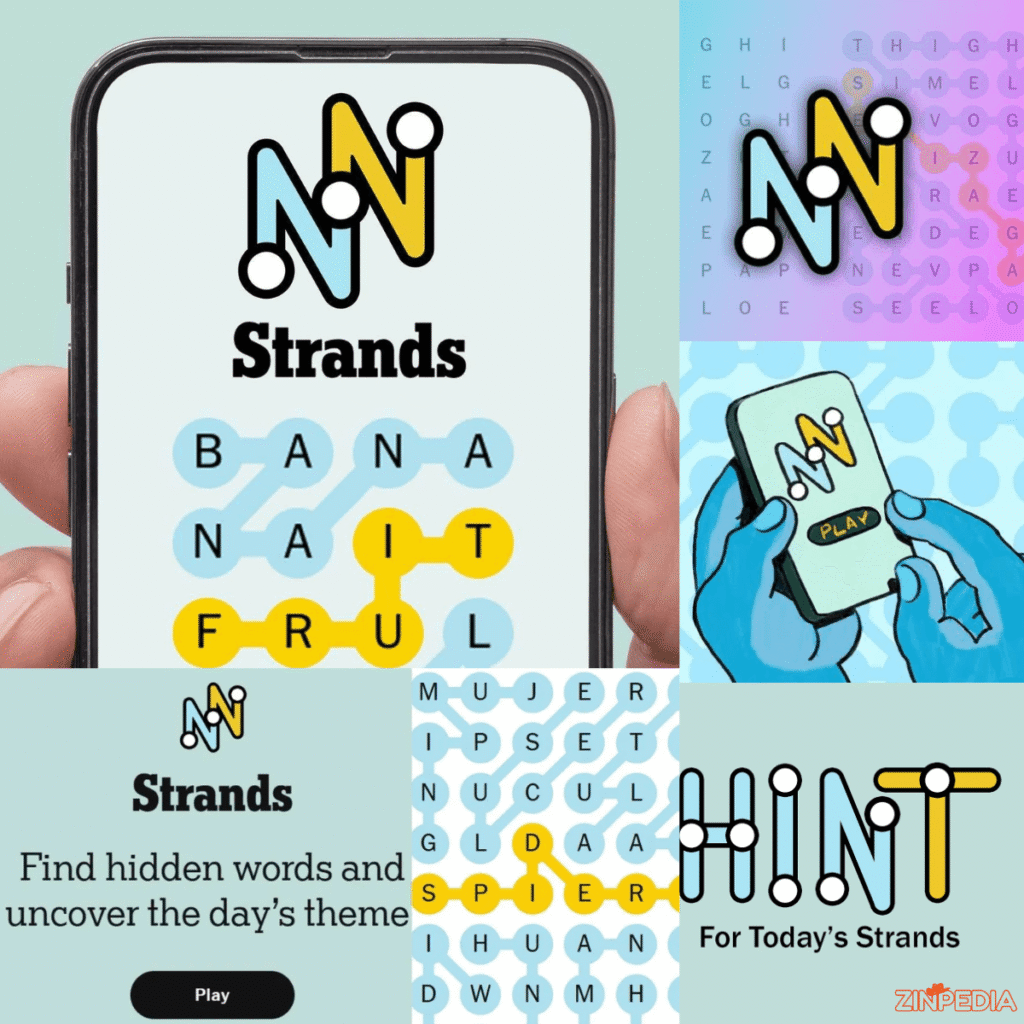
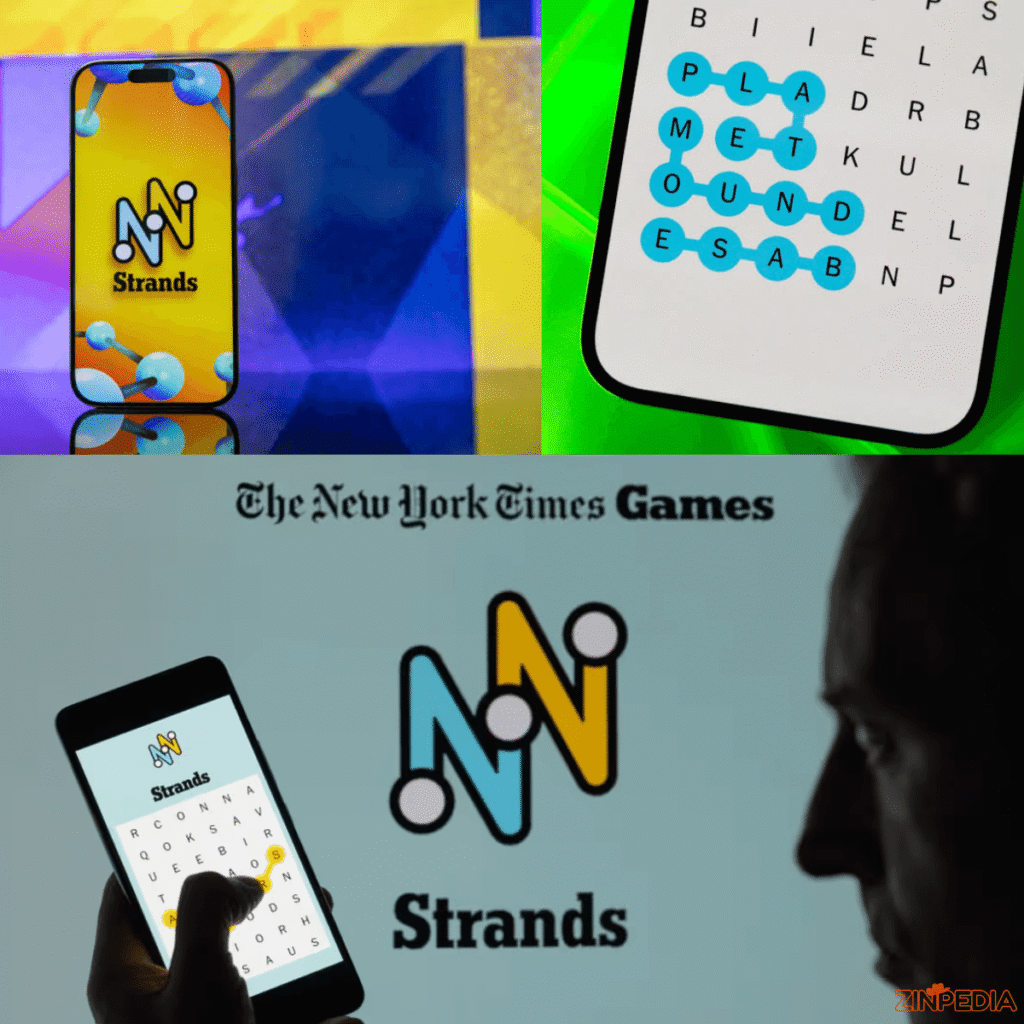
NYT Strands: It is a word puzzle from The New York Times. It forces players to hunt down obscured words within an arrangement of letters based on a theme.
Each puzzle includes:
- A grid filled with letters
- A hidden theme connecting the answers
- Multiple words related to that theme
- One special word called the spangram
The spangram is an important part of the puzzle because it connects two sides of the board and helps reveal the overall idea behind the challenge.
For example, if the theme relates to “types of transportation,” hidden answers might include different vehicles, while the spangram could represent the broader category.
The puzzle looks simple at first, but the difficulty comes from identifying the correct theme and recognizing words that may appear in unexpected directions.
Why Players Search for Strands Hint Today
The phrase “Strands hint today” has become popular because many players want assistance without immediately seeing the complete answer.
A good hint guides while allowing players to continue thinking independently.
Players often look for hints when:
- They cannot identify the daily theme
- They have found some words, but are missing others
- The spangram is difficult to locate
- They want a small clue instead of the full solution
Hints are especially useful because they help players understand how the puzzle creator designed the challenge.
For example, instead of revealing the answer “Ocean Creatures,” a helpful hint might say:
“Think about animals commonly found underwater.”
This gives the player a direction while preserving the satisfaction of solving the puzzle.
How to Use Strands Hints Without Ruining the Challenge
Using hints strategically can actually improve your puzzle-solving ability. The key is to use them as learning tools rather than shortcuts.
Here are some effective ways to use Strands hints:
1. Try Solving the Theme First
Before searching for a hint, examine the entire letter grid.
Ask yourself:
- Do certain letters create familiar words?
- Are there repeated patterns?
- Does one possible word suggest a larger topic?
The theme is usually the biggest clue in the puzzle.
Once you understand the theme, finding the remaining words becomes much easier.
2. Use Hints Gradually
Not all hints need to reveal the same amount of information.
A useful approach is:
Level 1 Hint: Discover the general topic
Example: “These words are related to a type of activity.”
Level 2 Hint: Narrow down the category
Example: “Think about equipment used for this activity.”
Level 3 Hint: Get a specific word clue
This method allows you to continue challenging yourself while avoiding unnecessary spoilers.
3. Look for the Spangram Early
The spangram is one of the most valuable clues in Strands.
Finding it can reveal:
- The puzzle’s main theme
- The direction of the answers
- The relationship between hidden words
However, some players prefer finding smaller words first because they can make the theme easier to recognize.
Try both approaches and see which method works best for you.
Expert Strategies to Solve Strands Faster
Improving at Strands is about developing better pattern recognition. Experienced players use several techniques to find answers more efficiently.
Recognize Common Word Patterns
Many hidden words are familiar terms, but they may appear:
- Backward
- Diagonally
- Vertically
- Horizontally
- Across multiple turns
Do not only scan the grid from left to right. Explore different directions.
Useful patterns to notice include:
- Common prefixes
- Common endings
- Repeated letter combinations
- Familiar short words inside longer words
Start With Longer Words
Longer words are often easier to identify because they stand out more.
A five-, six-, or seven-letter word may quickly reveal the theme.
For example:
If you notice a word related to cooking, you can start looking for:
- Kitchen tools
- Ingredients
- Cooking techniques
One discovery can unlock several others.
Think About Categories, Not Individual Words
A common mistake is searching randomly for words.
Instead, think:
“What group of words could appear in today’s puzzle?”
Possible themes include:
- Animals
- Movies
- Sports
- Food
- Science
- Geography
- Famous people
- Everyday objects
The theme is the puzzle’s biggest shortcut.

Common Mistakes Players Make in Strands
Even experienced puzzle fans can struggle with Strands because the game is designed to create uncertainty.
Here are common mistakes and how to avoid them.
Mistake 1: Searching Without Understanding the Theme
Finding random words may waste time.
A better approach:
- Find one possible answer
- Think about what connects it to other words
- Build a theme around that connection
Mistake 2: Ignoring Unusual Words
Some players only look for common words. However, Strands may include:
- Specific names
- Technical terms
- Less common vocabulary
Keep an open mind when exploring the grid.
Mistake 3: Overthinking Simple Answers
Sometimes players assume the theme must be complicated.
Many Strands puzzles use familiar ideas. If a simple explanation connects multiple words, it may be the correct one.
Practical Tips to Improve Your Daily Strands Skills
If you want to become better at solving Strands puzzles, consistent practice is the most effective method.
Try these improvement techniques:
Build Your Vocabulary
A wider vocabulary helps you recognize hidden words faster.
Helpful activities include:
- Reading regularly
- Learning new words
- Playing different word games
- Exploring different topics
Review Completed Puzzles
After solving a puzzle, think about:
- How was the theme created?
- Why were those words selected?
- What clue helped reveal the answer?
Reviewing puzzles teaches you the patterns behind future challenges.
Practice Pattern Recognition
Strands is not only about vocabulary. It is also about seeing relationships.
Improve your pattern skills by practicing:
- Word association games
- Logic puzzles
- Crossword puzzles
- Memory exercises
Why NYT Strands Has Become So Popular
The popularity of Strands comes from its unique combination of simplicity and difficulty.
Players enjoy it because:
It Feels Fresh Every Day
Each puzzle introduces a new theme, creating a different challenge every time.
It Rewards Creativity
Unlike puzzles with only one obvious path, Strands encourages players to think differently.
It Provides a Sense of Achievement
Finding the final hidden word and completing the puzzle creates a satisfying daily accomplishment.
It Is Easy to Share
Many players compare results with friends and discuss challenging themes.
How Daily Hints Can Make You a Better Puzzle Solver
Some people think using hints reduces their ability, but the opposite can happen when hints are used correctly.
A good hint teaches:
- How to recognize themes
- How puzzle creators think
- How to approach difficult grids
- How to avoid common errors
The goal is not just completing today’s puzzle. The goal is to develop skills that help you solve tomorrow’s puzzle faster.
Frequently Asked Questions About Strands Hint Today
Is using Strands hints considered cheating?
No. Many players use hints as learning tools. A small clue can help you continue solving while still allowing you to discover the answers yourself.
What is the spangram in Strands?
The spangram is a special hidden word that connects two sides of the puzzle grid and represents the main theme of the puzzle.
How can I find the Strands theme faster?
Look for longer words, unusual letter patterns, and possible connections between discovered words. The first few words you find often reveal the theme.
Why is NYT Strands difficult?
Strands is challenging because words can appear in many directions, and players must understand the relationship between answers instead of simply finding hidden words.
Should I use a hint immediately?
It is usually better to attempt the puzzle first. If you are stuck, use a small hint rather than jumping directly to the full solution.
How often does NYT Strands update?
NYT Strands provides a new puzzle every day, giving players a fresh challenge.
What skills help with Strands?
Strong vocabulary, pattern recognition, creative thinking, and patience are the most useful skills for solving Strands puzzles.
Conclusion: Use Strands Hints to Improve, Not Just Finish
Searching for “Strands hint today” is a common habit among puzzle enthusiasts who want a little assistance with challenging daily games. A well-designed hint can provide direction while keeping the experience enjoyable.
The best Strands players do not simply search for answers. They learn how to recognize themes, identify patterns, and approach difficult puzzles with confidence.
Whether you solve every puzzle independently or occasionally use hints, the most important thing is to enjoy the process. With regular practice and smart strategies, your Strands skills will continue to improve one puzzle at a time.
Explore More Helpful Articles– Visit Now