
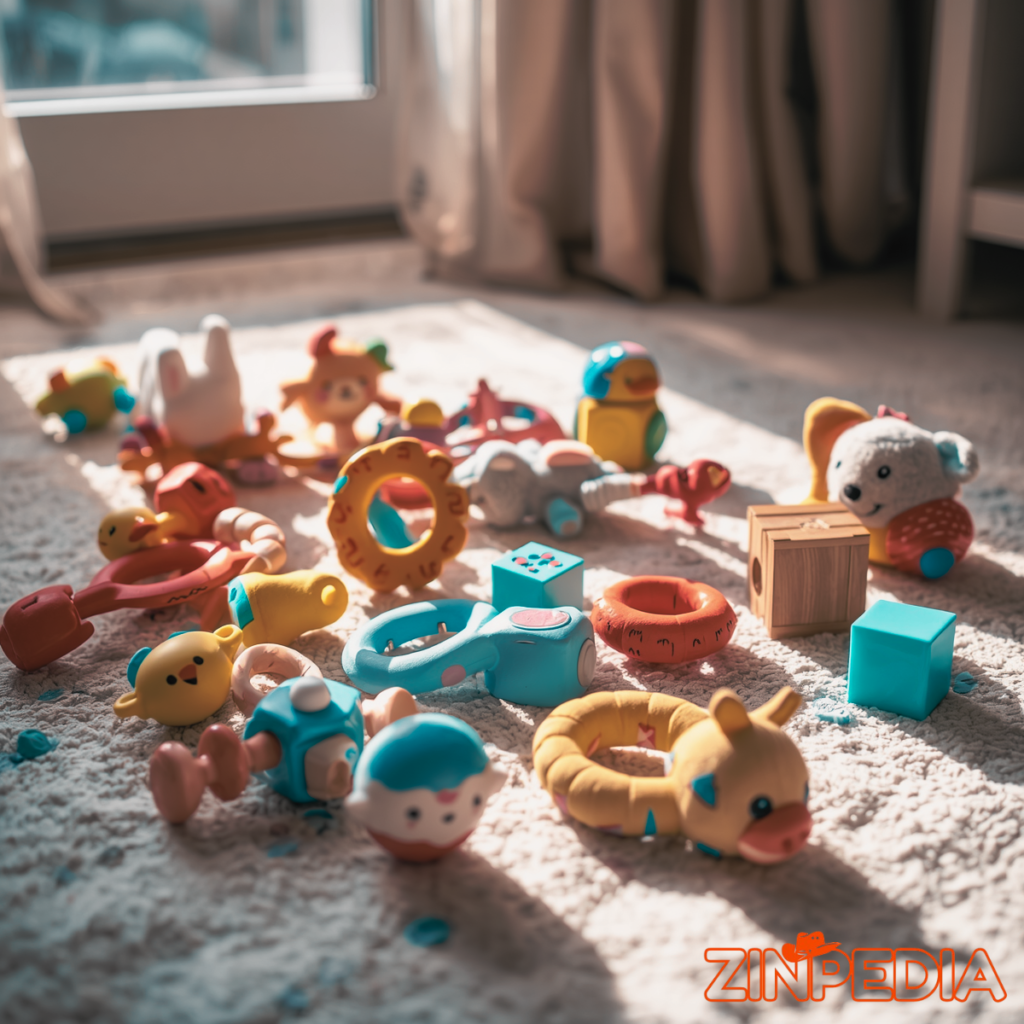
Choosing the right baby toys can feel simple at first, but every parent soon realizes that babies need more than just colorful objects to hold. Good toys help babies learn, move, explore, and understand the world around them. The best baby toys are not always the most expensive ones. In many cases, simple, safe, and age-appropriate toys can support your baby’s growth in the most meaningful way.
From soft rattles to stacking cups, sensory balls, teething toys, and musical toys, each toy has a purpose. Some help babies improve hand control, while others support crawling, problem-solving, hearing, vision, or emotional comfort. This guide will help you choose safe, useful baby toys for different developmental stages.
Why Baby Toys Are Important for Early Development
Baby toys are not only for fun. They play an important role in early learning. During the first year of life, babies learn through touch, sight, sound, taste, and movement. A simple toy can help a baby discover colors, shapes, sounds, textures, and movement.
For example, a rattle teaches a baby that shaking creates sound. A soft ball helps them practice holding and throwing. A mirror toy helps babies become curious about faces and expressions. These small experiences build the foundation for thinking, coordination, and confidence.
Good baby toys can support:
- Hand and eye coordination
- Fine motor skills
- Sensory development
- Curiosity and focus
- Early problem-solving
- Emotional comfort
- Physical movement such as reaching, crawling, and walking
Parents do not need to buy too many toys. A small collection of well-chosen toys is usually better than a room full of items that the baby does not use.
How to Choose Safe Baby Toys
Safety should always come first when buying baby toys. Babies explore everything with their hands and mouths, so toys must be safe, strong, and suitable for their age.
Always check the age label before buying a toy. Toys for older children may have small parts that can be dangerous for babies. Avoid toys with sharp edges, loose buttons, tiny beads, long strings, or easily breakable parts.
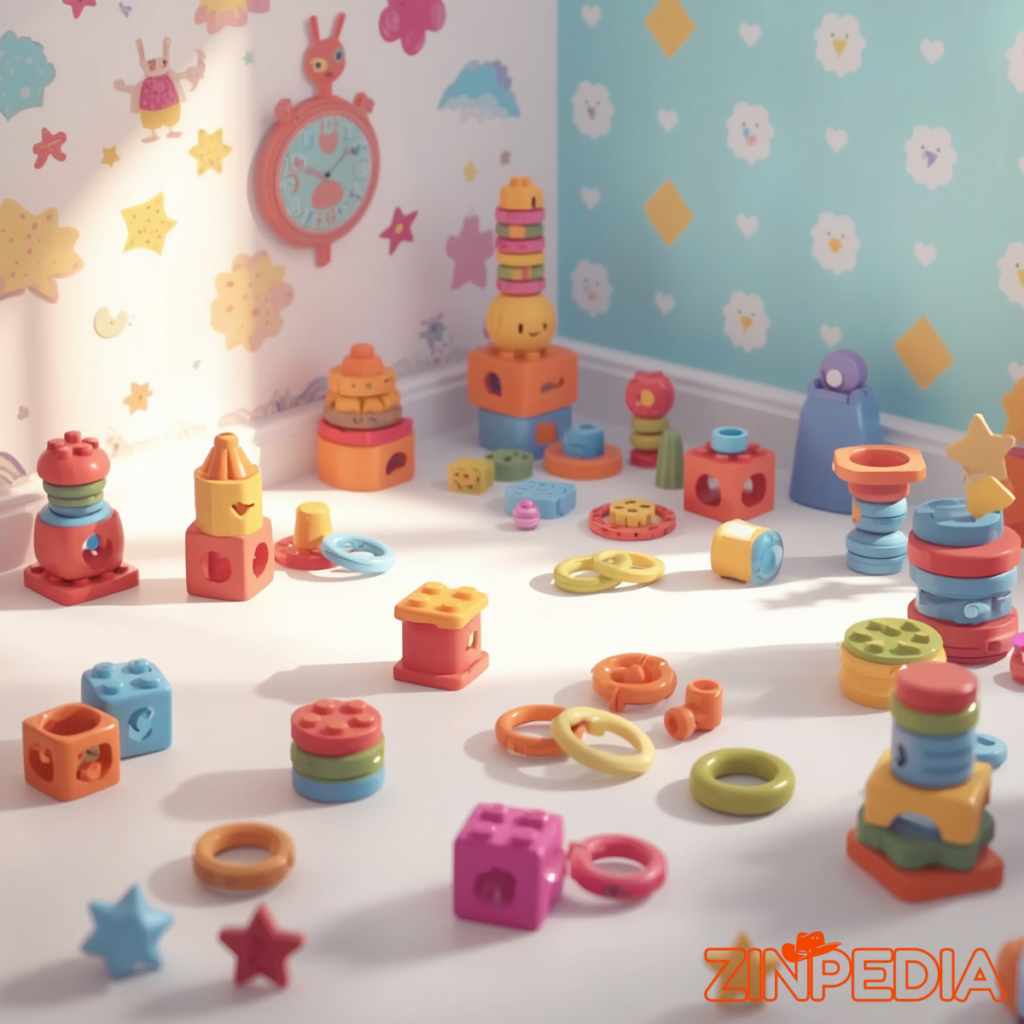
A safe baby toy should be:
- Large enough that it cannot be swallowed
- Made from non-toxic materials
- Easy to clean
- Strong and well-made
- Free from sharp corners
- Suitable for the baby’s age
- Without small removable parts
Soft toys should have stitched eyes instead of plastic buttons. Teething toys should be made from baby-safe materials and cleaned often. Battery-operated toys must have a secure battery cover that babies cannot open.
It is also important to inspect toys regularly. If a toy is cracked, broken, or has loose parts, it should be removed immediately.
Best Baby Toys for Newborns to 3 Months
Newborn babies do not need complex toys. At this stage, they are still learning to focus their eyes, respond to sounds, and recognize faces. Simple sensory toys are best.
Good toys for newborns include soft rattles, black-and-white cards, soft fabric books, baby-safe mirrors, and gentle crib mobiles. High-contrast toys are especially helpful because newborns can see bold patterns more clearly than soft colors.
A soft rattle can encourage the baby to listen and turn toward the sound. A baby mirror can make tummy time more interesting. Fabric books with different textures can introduce early touch exploration.
At this age, parents are still the baby’s favorite “toy.” Talking, singing, smiling, and gently moving toys in front of the baby can be more valuable than any expensive product.
Best Baby Toys for 3 to 6 Months
Between 3 and 6 months, babies become more active. They start reaching, grabbing, rolling, and bringing objects to their mouth. This is a great time to introduce toys that are easy to hold and safe to chew.
Useful baby toys for this stage include teething rings, soft balls, textured toys, crinkly books, activity mats, and lightweight rattles. Babies enjoy toys that make gentle sounds or have different surfaces.
Teething toys can provide comfort when the baby’s gums feel sore. Activity mats can encourage tummy time and help strengthen neck, shoulder, and back muscles. Soft balls support early practice in grabbing and rolling.
Choose toys that are light enough for the baby to hold. Avoid heavy toys, as babies may drop them on their faces or bodies.
Best Baby Toys for 6 to 12 Months
From 6 to 12 months, babies become much more curious. Many babies start sitting, crawling, pulling themselves up, and exploring their surroundings. Toys that encourage movement and problem-solving are very useful at this stage.
Some of the best baby toys for this age include stacking cups, shape sorters, sensory balls, musical toys, soft blocks, pop-up toys, and board books. These toys help babies understand size, balance, cause and effect, and basic problem-solving.
Stacking cups are simple but very powerful learning toys. Babies can stack them, knock them down, put one inside another, or use them during bath time. Soft blocks help babies build and explore without the risk of injury.
Musical toys can also be exciting, but choose ones with gentle sound levels. Very loud toys may disturb the baby and can be uncomfortable for parents, too.
Best Baby Toys for 12 Months and Older
After the first birthday, many babies become more independent. They may start walking, pushing, pulling, pointing, and copying adults. At this stage, toys that support movement, imagination, and early creativity are helpful.
Good baby toys for 12 months and older include push-and-pull toys, simple puzzles, large building blocks, toy phones, musical instruments, pretend play toys, and picture books. These toys help babies practice balance, coordination, language, and imagination.
Push toys can support walking practice, but they should be stable and not move too fast. Simple puzzles with large pieces help develop patience and thinking skills. Toy instruments, such as small drums or shakers, allow babies to enjoy rhythm and sound.
Pretend play also begins around this stage. A baby may copy feeding a doll, talking on a toy phone, or brushing a teddy bear. These actions may look small, but they are signs of growing social and emotional understanding.
Educational Baby Toys: What Makes a Toy Useful?
Many products are called “educational baby toys,” but not every toy with lights and sounds is truly educational. A useful toy encourages the baby to do something, not just watch. The best learning toys invite babies to touch, move, stack, shake, open, close, sort, or explore.
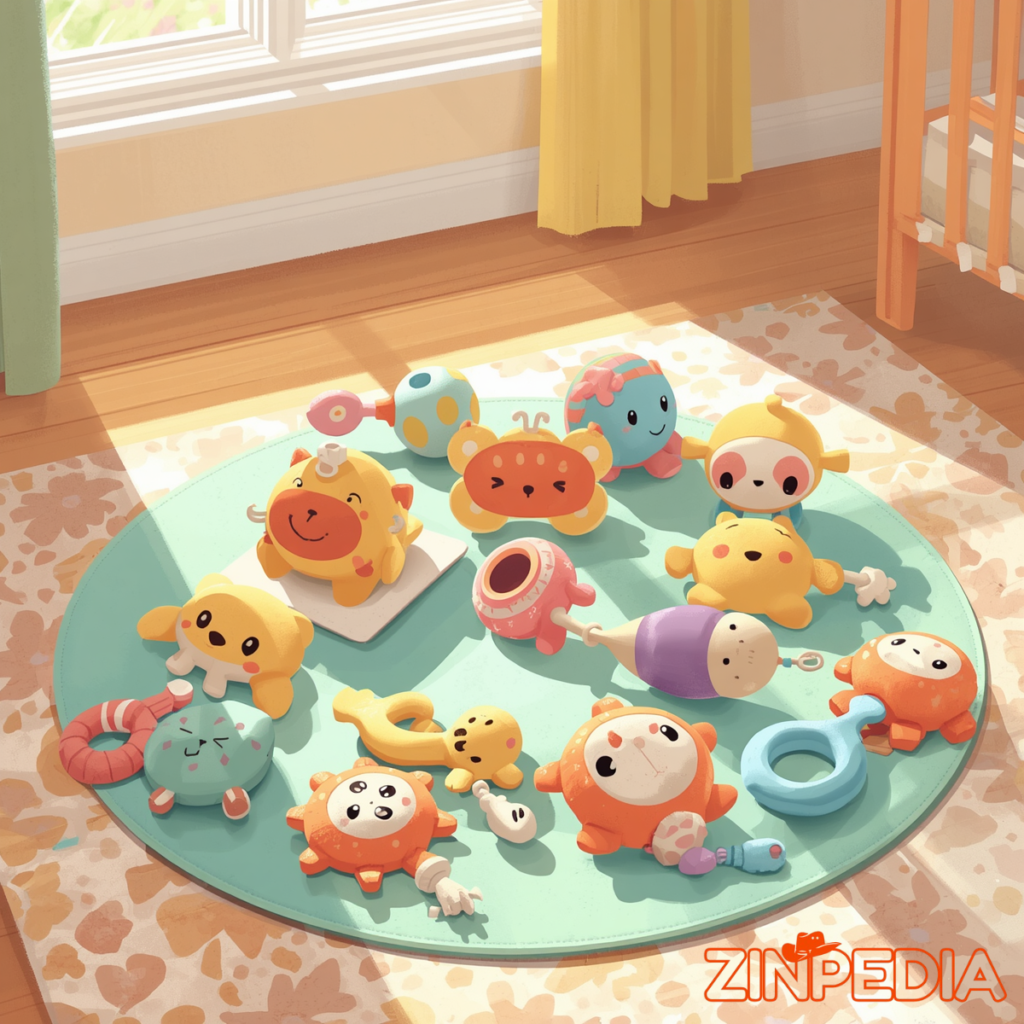
A good educational toy usually has one or more of these features:
- It encourages active play
- It supports more than one skill
- It grows with the baby
- It allows open-ended use
- It is safe and simple
- It keeps the baby curious
For example, stacking cups can teach size, color, counting, water play, and hand control. A soft book can support touch, listening, bonding, and early language. Blocks can support building, knocking down, balancing, and creativity.
Parents should not feel pressured to buy electronic toys. Babies often learn more from simple toys that allow them to explore freely.
Tips for Buying Baby Toys Without Wasting Money
Baby toys can become expensive quickly, especially when parents buy every new product they see. A smarter approach is to buy fewer toys that match the baby’s age and development.
Here are some practical tips:
- Choose quality over quantity
- Buy toys that can be used in different ways
- Avoid toys with too many small parts
- Pick washable toys whenever possible
- Rotate toys every few days to keep interest fresh
- Watch what your baby enjoys before buying more
- Avoid overly loud or overstimulating toys
Toy rotation is very helpful. Instead of giving all toys at once, keep some away and bring them back later. Babies often become interested again when an old toy feels new.
Also, remember that household items can sometimes become safe play objects under supervision. A clean plastic bowl, wooden spoon, or soft cloth can be exciting for a baby. However, always make sure such items are safe and used only while an adult is watching.
Conclusion: The Best Baby Toys Are Safe, Simple, and Meaningful
Baby toys are an important part of early childhood, but they do not need to be complicated. The best baby toys are safe, age-appropriate, easy to use, and helpful for development. A newborn may enjoy a soft rattle or high-contrast card, while an older baby may learn from stacking cups, blocks, musical toys, and simple puzzles.
When choosing toys, focus on your baby’s current stage. Look for toys that encourage movement, touch, sound, problem-solving, and imagination. Always check safety, clean toys regularly, and remove anything broken or unsafe.
Most importantly, remember that toys work best when parents are involved. Talking, smiling, playing, and exploring together turn even the simplest baby toy into a powerful learning experience. A good toy can entertain a baby, but loving interaction makes play truly meaningful.
Explore More Helpful Articles– Visit Now